What Happened to One Person's Sleep After 20 Weeks of tPBM - Tracked with Oura
![[object Object]](https://cdn.sanity.io/images/h29o7kl4/staging/0c0476690b5e49f9a375deb663c4d52aa39fa8e2-352x351.heif?w=352&q=80&auto=format&fit=max)
Tracking Sleep: Worth the Hype?
Tracking sleep is all the rage these days, and for good reason.
For most of human history, we had almost no way of knowing what was actually happening after we closed our eyes. You either woke up feeling rested or you didn't. Even in clinical settings, the only reliable method was polysomnography - an overnight stay in a lab, wired up to electrodes, sleeping in a setting nothing like your own bed. It could tell you what happened on that one night, but it couldn't show you patterns, trends, or whether the change you just made to your routine actually did anything.
That's what makes wearable sleep tracking such a shift. For the first time, people can measure their own sleep architecture night after night, in their own home, and watch how their biology responds to real changes.
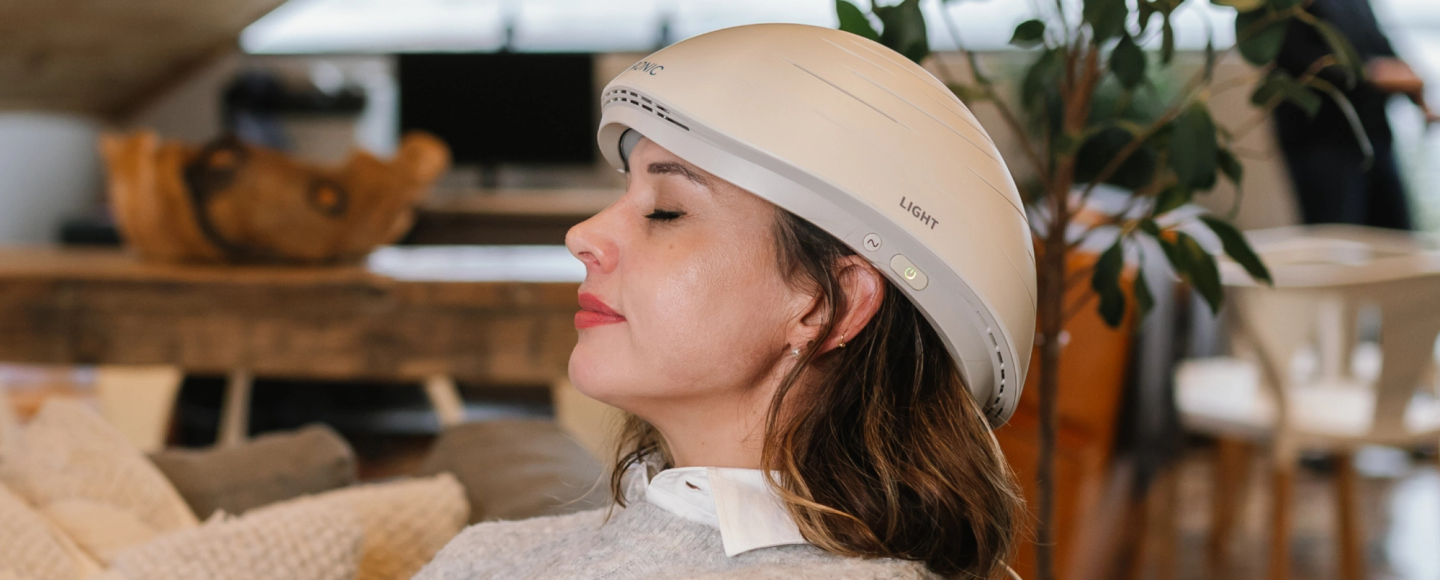
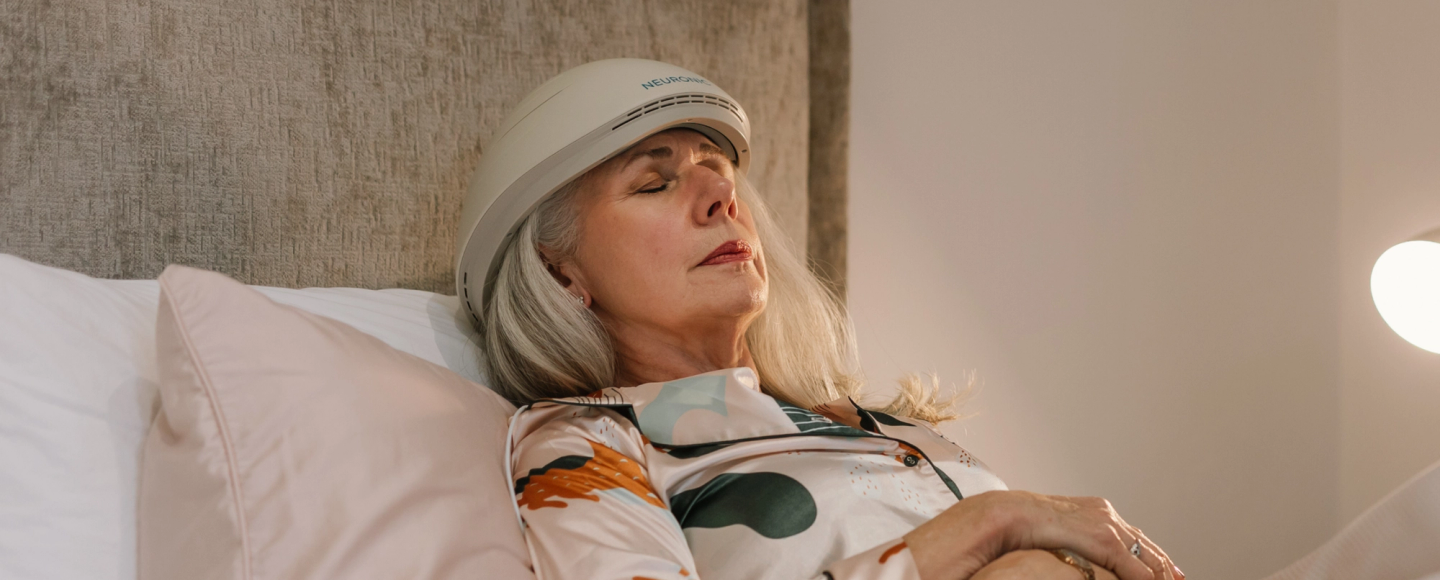
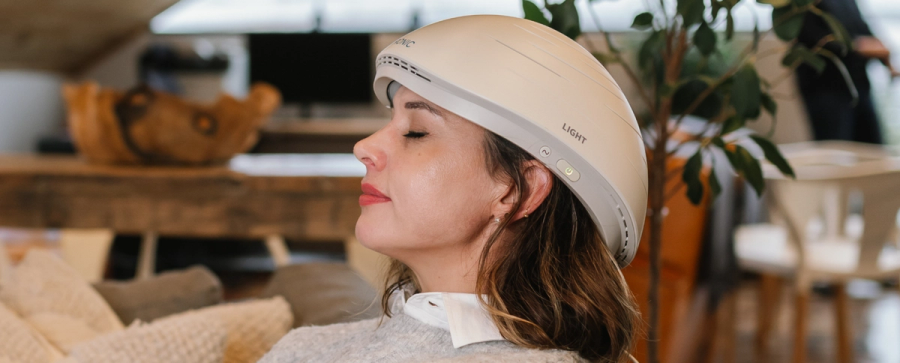
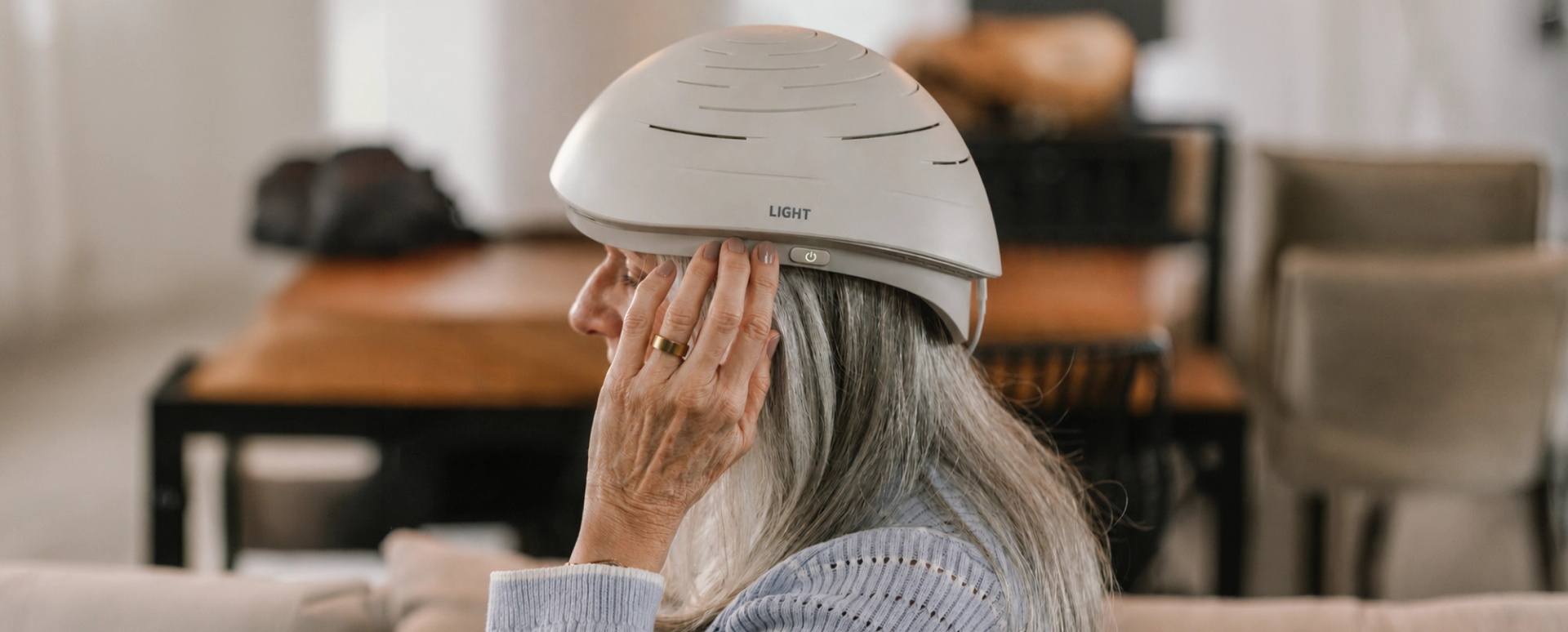
That's exactly what one Oura Ring member did when they began using the Neuronic LIGHT - a near-infrared transcranial photobiomodulation device designed to support cellular energy production in the brain - and tracked the results over the course of several weeks.
The findings were striking: 32 extra minutes of sleep per night, nearly 14 fewer minutes to fall asleep, and measurable gains in deep sleep, REM sleep, and next-day readiness - all tracked passively through a wearable ring and analyzed with clinical-grade time-series statistics.
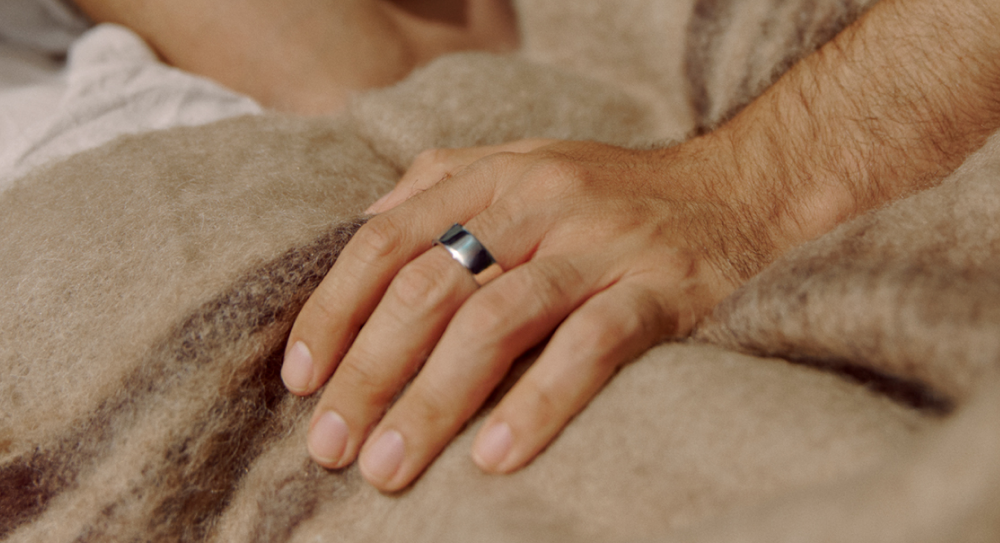
What Is Transcranial Photobiomodulation (tPBM)?
Before diving into the data, let’s look at a quick overview at a key term. Transcranial photobiomodulation, or tPBM, uses specific wavelengths of near-infrared light to penetrate the skull and reach underlying brain tissue. At the cellular level, this light is absorbed by cytochrome c oxidase - a key enzyme in the mitochondrial electron transport chain - which enhances ATP production and supports cellular metabolism.
The concept isn't new; low-level light therapy has been studied in wound healing and pain management for decades. What's newer is its application to the brain, where emerging research suggests it may support (Dompe et al., 2020):
- Increasing cellular energy
- Reducing neuroinflammation
- Improving cerebral blood flow
- Increasing neurogenesis
- Reducing cellular death
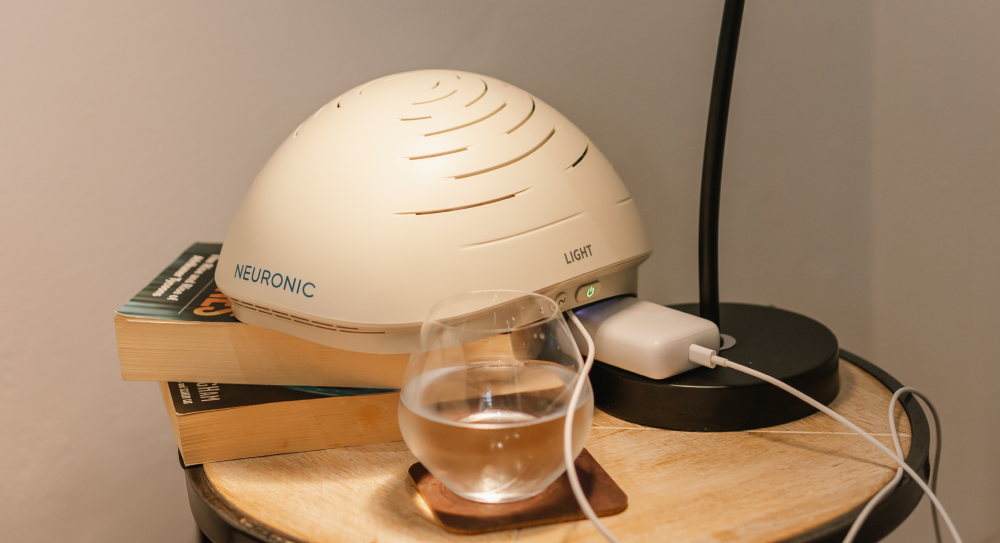
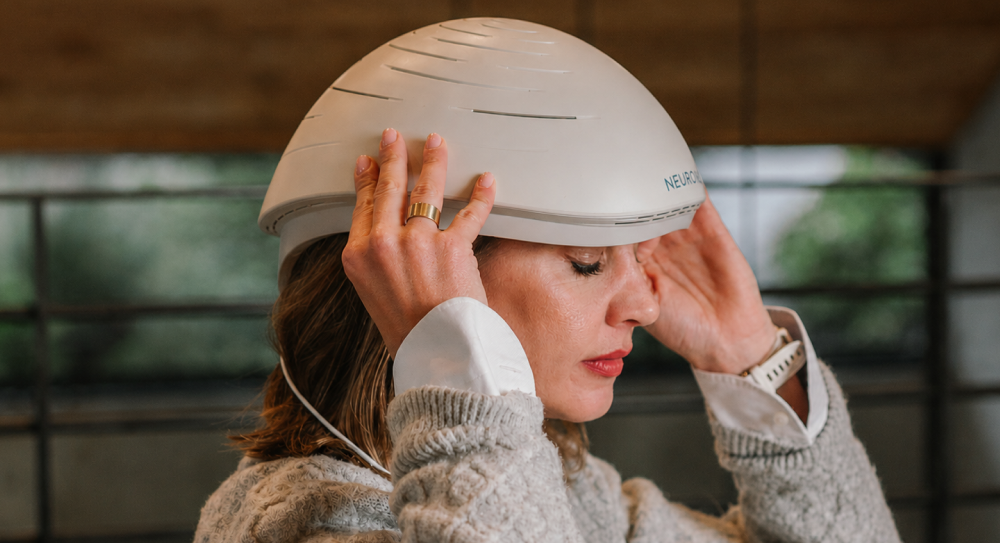
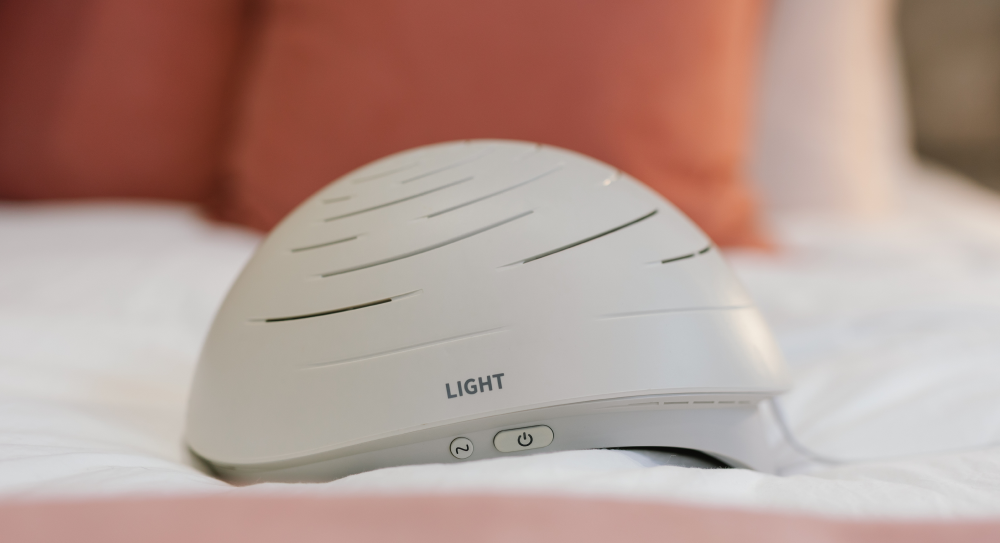
The Neuronic LIGHT is a consumer tPBM device designed for at-home use. The user in this case study incorporated sessions into their routine and wore an Oura Ring continuously to capture what, if anything, changed in their sleep.
What Does the Oura Ring Measure?
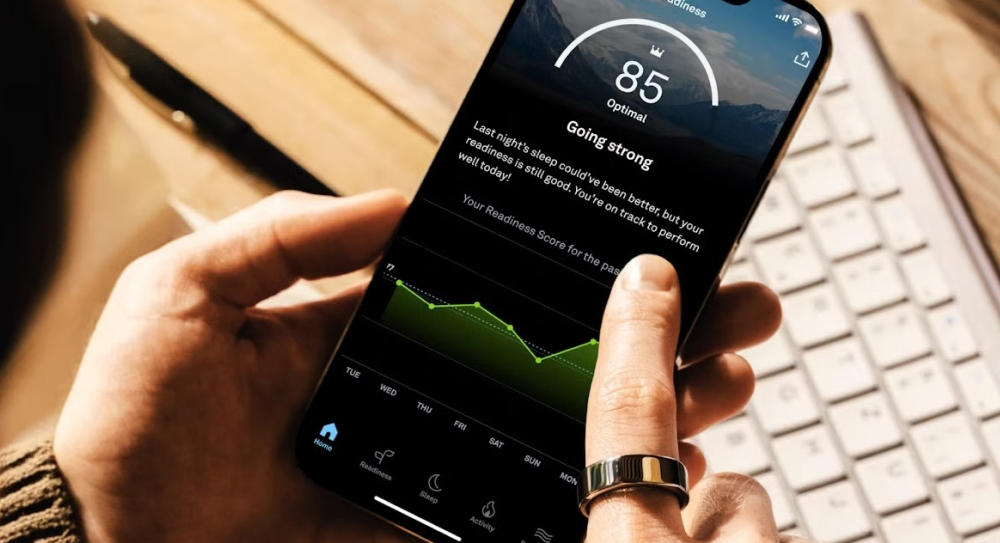
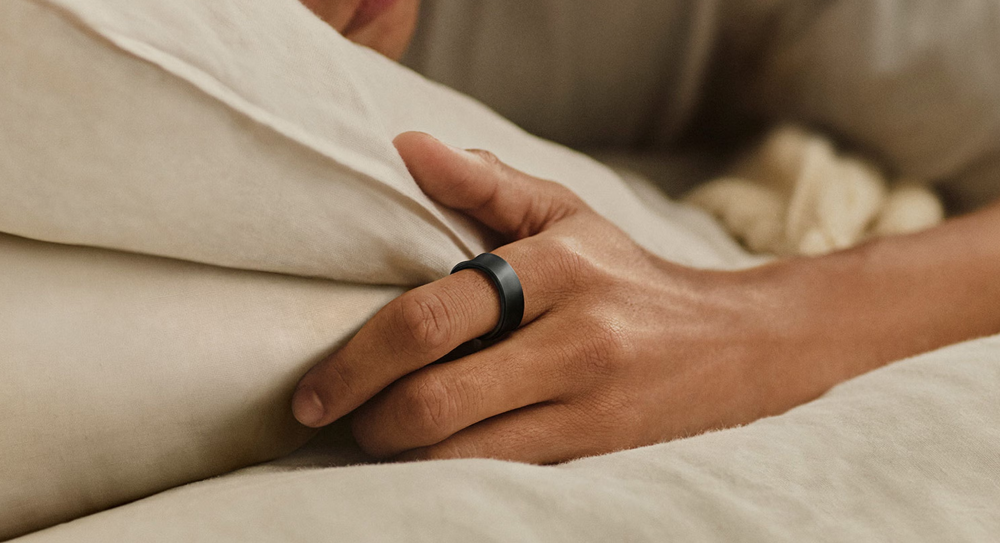
The Oura Ring is a lightweight sensor worn on the finger that continuously captures biometric data throughout the day and night. Using infrared photoplethysmography, a 3D accelerometer, and temperature sensors, it measures heart rate, heart rate variability (HRV), blood oxygen levels, respiratory rate, skin temperature trends, and movement.
From these signals, the ring generates three core scores each day:
- A Sleep Score breaks down total duration, sleep efficiency, latency, and time spent in each sleep stage - awake, light, deep, and REM.
- A Readiness Score reflects how recovered your body is based on overnight recovery metrics.
- An Activity Score tracks daytime movement and exercise.
Oura's sleep staging algorithm achieves 79% agreement with polysomnography, the gold-standard clinical sleep test, making it one of the more validated consumer wearables for sleep research (Altini & Kinnunen, 2021). Beyond single-night snapshots, Oura tracks trends over weeks and months. That long-term granularity is exactly what makes it useful for tracking the effects of a new intervention: you establish a clear baseline, introduce one change, and watch whether the data actually moves.
The Case Study: One Person, One Device, 20 Weeks of Data
This wasn't a randomized controlled trial. It was a single-subject case study - one 57 year old male wearing an Oura Ring before, during, and after introducing tPBM sessions with the Neuronic LIGHT. Two versions of the analysis were run: one treating session use as a continuous variable (does doing more sessions in a day predict more sleep?) and one treating it as binary (did you do a session today, yes or no?). Both told a consistent story.
*Note: The data was analyzed using ARIMA and ARIMAX time-series models, which are designed specifically for longitudinal single-participant data. Unlike simple before-and-after averages, these models account for the fact that your sleep on any given night is partly influenced by your sleep on the nights before it. They separate that underlying pattern from the signal of the intervention itself.
The Results: What the Oura Ring Data Showed
The user followed the Glow preset protocol — 10 minutes of continuous wave light at 100% intensity, averaging 7 sessions per week. The following results were reported over the course of the intervention.
Total Sleep Duration: +32 Minutes Per Night
On days when a tPBM session was completed, total sleep increased by approximately 32 minutes compared to non-session days. Average sleep rose from about 428 minutes (~7 hours, 8 minutes) before starting PBM to roughly 461 minutes (~7 hours, 41 minutes) after - a 7.4% increase. The effect was statistically significant (p < .001).
Why Does Sleep Duration Matter?
To put that in perspective, a meta analysis of the use of sedative hypnotics in older people with insomnia found that these medications increased sleep duration by 25.2 minutes on average (Glass et al., 2005). A non-invasive, light-based device producing 32 minutes of additional sleep is a meaningful finding, even in a single-subject design.
Sleep Latency: Fell Asleep ~14 Minutes Faster
One of the most noticeable changes was in sleep latency, or how long it took to fall asleep. On session days, latency dropped by nearly 14 minutes, a 45.9% reduction (p < .001). Average latency fell from about 30 minutes before PBM to roughly 16 minutes after.
Why Does Sleep Latency Matter?
For anyone who has ever spent half an hour staring at the ceiling, that's the difference between a frustrating wind-down and actually falling asleep relatively quickly. Clinically, sleep latency above 30 minutes is one of the markers used in insomnia screening, so dropping below 20 minutes represents a meaningful shift into a healthier range.
Sleep Efficiency: +6.6 Percentage Points
Sleep efficiency - the percentage of time in bed actually spent sleeping - improved by 6.6 percentage points on session days (p < .001). Average efficiency rose from 74.15% to 81.21%, an 8.8% relative increase. This was the strongest effect observed in the analysis, with the highest explanatory power among all the sleep models (R² = .152).
Why Does Sleep Efficiency Matter?
Sleep efficiency below 85% is generally considered suboptimal. Moving from the low-to-mid 70s into the low 80s represents a clinically meaningful improvement in sleep quality.
Deep Sleep: +7.8 Minutes
Deep sleep - the stage most associated with physical recovery, immune function, and memory consolidation - increased by approximately 7.8 minutes on session days (p = .003), a 16.4% increase. Average deep sleep rose from about 47 minutes to 56 minutes per night.
Why Does Deep Sleep Matter?
Deep sleep is notoriously difficult to increase. It naturally declines with age, and very few interventions have been shown to reliably extend it (Mander, Winer & Walker, 2018). Even modest gains in deep sleep can have outsized effects on how recovered and restored you feel the next day.
REM Sleep: +10.5 Minutes
REM sleep - critical for memory processing, and cognitive performance - increased by about 10.5 minutes on session days (p < .001), a 13.4% increase. Average REM sleep rose from roughly 77 minutes to 89 minutes per night.
Why Does REM Sleep Matter?
Like deep sleep, REM sleep is one of the sleep stages that matters most for how sharp and emotionally balanced you feel the next day. A gain of 10 minutes per night can add up over time.
Next-Day Readiness: +2.4 Points
Oura's Readiness Score - a composite metric reflecting overnight recovery - was approximately 2.4 points higher on session days compared to non-session days (p = .004). Average readiness rose from about 79.5 to 82.0, a 3.0% increase.
Why Does Next-Day Readiness Matter?
While 2.4 points might sound modest, readiness scores tend to be fairly stable within individuals. A consistent upward shift of this magnitude suggests the improved sleep architecture was translating into better physiological recovery.
When Did the Effects First Appear?
One of the more interesting analyses examined when sleep improvements first became detectable after starting tPBM. Using weekly ARIMAX models, the researchers compared each post-intervention week against the pre-intervention baseline.
For total sleep duration, the first statistically significant improvement appeared at Week 4, when total sleep was 47.3 minutes higher than baseline, an 11.1% increase. The following weeks fluctuated between significant and nonsignificant effects. However, Week 20 showed a peak gain of roughly 82 minutes above baseline.
For readiness, the first detectable improvement appeared even sooner at Week 2, when readiness was 6.5 points higher than baseline, an 8.1% increase. Significant positive effects continued through Weeks 3, 4, 7, and 16.
This timeline matters because it suggests that tPBM isn't an overnight fix. The readiness improvements emerged within the first two weeks, but the full sleep architecture benefits took closer to a month to become statistically detectable. That's consistent with the idea that photobiomodulation may be producing gradual, cumulative biological changes rather than an acute pharmacological effect.

What Does the Research Say About tPBM and Sleep?
The sleep improvements observed in this case study are consistent with a growing body of published research linking tPBM to measurable changes in sleep quality.
Sleep Quality and Daytime Wakefulness
A recent systematic review identified 17 studies examining sleep outcomes after tPBM across clinical and healthy populations, concluding that the technique shows promise for improving both sleep quality and daytime wakefulness through its effects on cerebral mitochondrial function and blood flow (Gaggi et al., 2025).
Sleep Quality in Cognitive Decline
Saltmarche et al. (2017) treated five patients with mild to moderately severe dementia using 810 nm pulsed tPBM targeting the default mode network over 12 weeks. The results showed significant cognitive improvement on both the MMSE and ADAS-cog, alongside better sleep, fewer angry outbursts, less anxiety, and reduced wandering.
Sleep Quality in Mood Disorders
In the domain of mood disorders, Guu et al. (2025) reported that self-administered wearable tPBM in 48 patients with major depressive disorder produced significant reductions in PSQI scores beginning at week two and lasting through the 12-week follow-up, even though the dosimetry was insufficient to produce antidepressant effects - suggesting that sleep may be one of the earliest and most sensitive targets of photobiomodulation.
Important Caveats
Transparency matters, especially with case studies. Here's what this data can and cannot tell us:
- This is a single-subject design for the sleep data. The ARIMA models are robust for detecting within-person patterns over time, but they cannot tell us whether the same results would occur in another person. The sleep findings reflect one individual's consistent response, not a population-level effect.
- The effect sizes on sleep were modest in terms of variance explained (R² values ranged from .027 to .152). That means session use predicted sleep changes in a statistically reliable way, but the vast majority of sleep variability is still driven by other factors - stress, caffeine, schedule changes, exercise, and dozens of other variables that weren't controlled for.
- Some of the ARIMA models showed residual autocorrelation, meaning the models didn't perfectly capture all the temporal patterns in the data. The findings are directionally strong and statistically significant, but they should be interpreted with appropriate caution.
- Finally, this was not a placebo-controlled study. We can't rule out the possibility that expectations, behavior changes, or simply increased health awareness played a role. What we can say is that the data moved in a consistent, statistically detectable direction across multiple independent sleep metrics - and that the timeline of improvement was gradual rather than immediate, which is more consistent with a biological mechanism than a placebo response.
The Bottom Line
A single person tracked their sleep with an Oura Ring before and during use of the Neuronic LIGHT tPBM device. Over 20 weeks, their data showed consistent, statistically significant improvements across every major sleep metric: 32 more minutes of sleep, nearly 14 fewer minutes to fall asleep, 6.6 percentage points better sleep efficiency, and measurable gains in both deep and REM sleep. Next-day readiness scores also improved. The effects emerged gradually, with readiness shifting within 2 weeks and total sleep duration reaching significance by Week 4.
None of this replaces the need for larger controlled trials. But it does show what happens when you pair a novel brain stimulation technology with a validated wearable tracker and actually look at the data.
References:
Altini, M., & Kinnunen, H. (2021). The Promise of Sleep: A Multi-Sensor Approach for Accurate Sleep Stage Detection Using the Oura Ring. Sensors, 21(13), 4302. https://doi.org/10.3390/s21134302
Dompe, C., Moncrieff, L., Matys, J., Grzech-Leśniak, K., Kocherova, I., Bryja, A., Bruska, M., Dominiak, M., Mozdziak, P., Skiba, T. H. I., Shibli, J. A., Angelova Volponi, A., Kempisty, B., & Dyszkiewicz-Konwińska, M. (2020). Photobiomodulation-Underlying Mechanism and Clinical Applications. Journal of clinical medicine, 9(6), 1724. https://doi.org/10.3390/jcm9061724
Gaggi, N. L., Bhatt, A. T., & Bhatt, D. L. (2025). Enhancing sleep, wakefulness, and cognition with transcranial photobiomodulation: A systematic review. Frontiers in Behavioral Neuroscience, 19, 1542462. https://doi.org/10.3389/fnbeh.2025.1542462
Glass, J., Lanctôt, K. L., Herrmann, N., Sproule, B. A., & Busto, U. E. (2005). Sedative hypnotics in older people with insomnia: Meta-analysis of risks and benefits. BMJ, 331(7526), 1169. https://doi.org/10.1136/bmj.38623.768588.47
Guu, T.-W., Cassano, P., Li, W.-J., Tseng, Y.-H., Ho, W.-Y., Lin, Y.-T., Lin, S.-Y., Chang, J. P.-C., Mischoulon, D., & Su, K.-P. (2025). Wearable, self-administered transcranial photobiomodulation for major depressive disorder and sleep: A randomized, double blind, sham-controlled trial. Journal of Affective Disorders, 372, 635–642. https://doi.org/10.1016/j.jad.2024.12.065
Mander, B. A., Winer, J. R., & Walker, M. P. (2017). Sleep and Human Aging. Neuron, 94(1), 19–36. https://doi.org/10.1016/j.neuron.2017.02.004
Saltmarche, A. E., Naeser, M. A., Ho, K. F., Hamblin, M. R., & Lim, L. (2017). Significant Improvement in Cognition in Mild to Moderately Severe Dementia Cases Treated with Transcranial Plus Intranasal Photobiomodulation: Case Series Report. Photomedicine and laser surgery, 35(8), 432–441. https://doi.org/10.1089/pho.2016.4227
- Oura Tracking Sleep Studies
- Our Case Study Results
- How tPBM Has Been Seen to Track Sleep (Research)
Get Your Custom PBM Integration Strategy – Built for Clinicians and Other Professionals
In 15 minutes, you’ll walk away with a clear plan to implement PBM safely, compliantly, and without disrupting client care.
Or Give us a Call: +1 (209) 268-7839