Research on Light Therapy and Long COVID
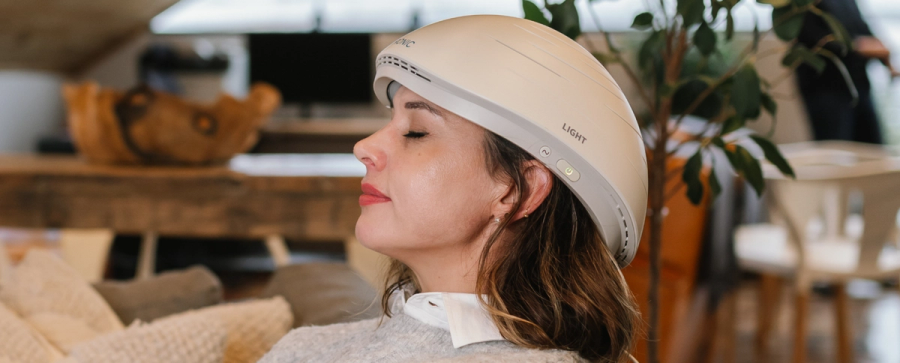
Long COVID can arise from a variety of causes and often lead to symptoms that disrupt daily functioning. Fortunately, emerging research on transcranial photobiomodulation (tPBM) shows promising potential in supporting recovery from this condition.
Long COVID can arise from a variety of causes and often lead to symptoms that disrupt daily functioning. Fortunately, emerging research on transcranial photobiomodulation (tPBM) shows promising potential in supporting recovery from this condition.
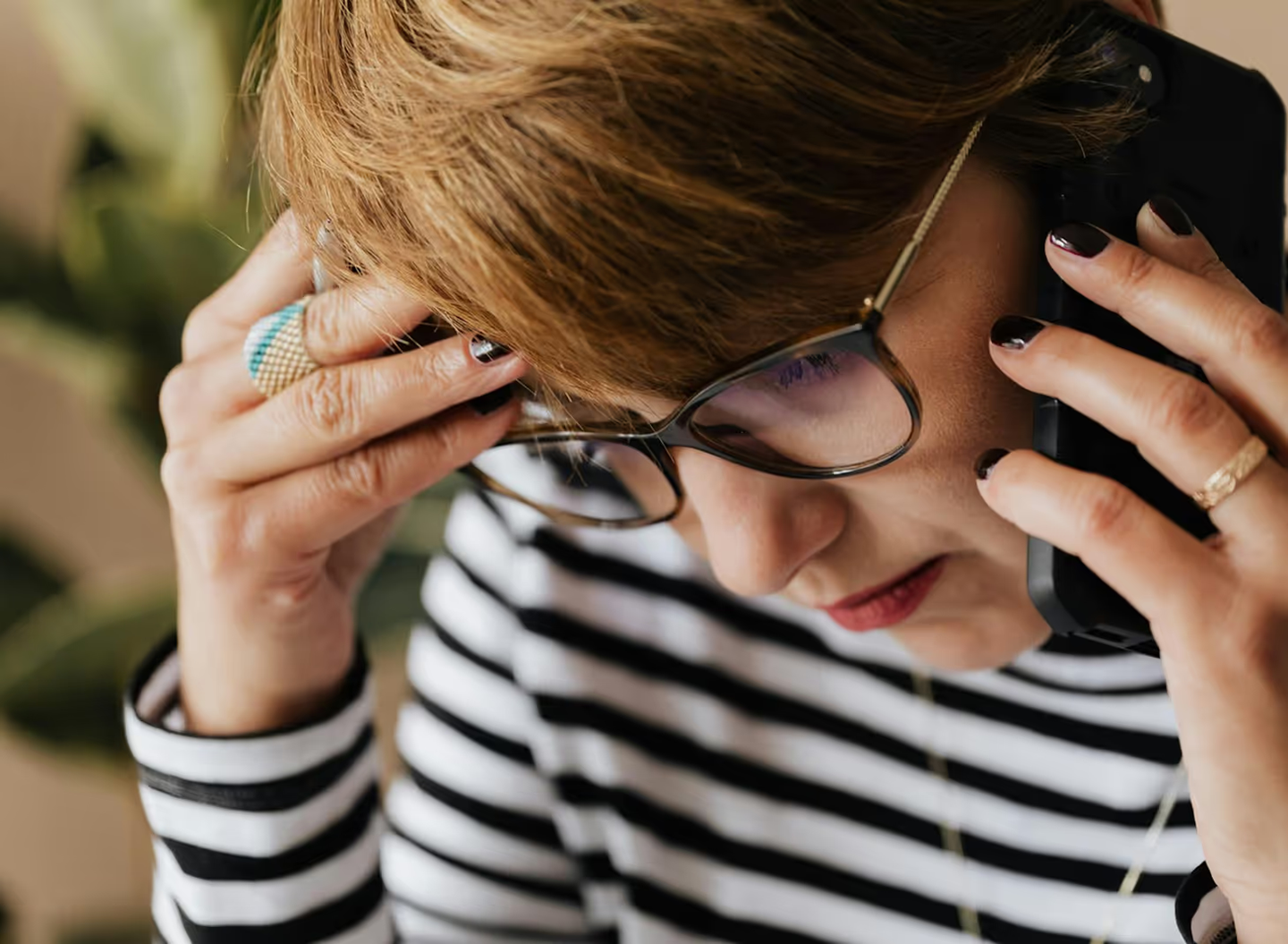
Signs and Symptoms of Long COVID
People can develop long COVID symptoms even if they never experienced any symptoms during their initial COVID-19 infection. These symptoms may also appear weeks or even months after the person has seemingly recovered. While Long COVID impacts people differently, some common symptoms include:
- Extreme tiredness, especially after activity
- Problems with memory, often called brain fog
- A feeling of being lightheaded or dizzy
- Problems with taste or smell
- Sleep problems
- Shortness of breath
- Cough
- Headache
- Fast or irregular heartbeat
- Digestion problems, such as loose stools, constipation or bloating
Biomarkers of Long Covid
What Causes Symptoms of Long COVID?
While the causes of Long COVID are still under investigation, researchers have a few theories for what can cause this condition (Mayo Clinic, 2024)
- The virus responsible for COVID-19 can disrupt communication within the immune system, potentially causing immune cells to misidentify the body’s own cells as harmful and attack them - a response known as an autoimmune reaction.
- COVID-19 can reactivate dormant viruses that remain in the body.
- The virus upsets the gut’s ecosystem.
- The virus may persist in the gut and potentially spread.
- The virus impacts the cells lining the blood vessels.
- The virus disrupts communication in the brainstem or in the vagus nerve, which regulates the body’s automatic functions.
FAQs
What results can be expected and when?
Types of results and their timelines vary depending on the individuals. However, a combination of research and anecdotal evidence from providers suggests some expected results to be the following: improved language capabilities, improvements in emotional regulation, decreased repetitive behaviours, and improved social skills/engagement. While some clients may see results very quickly, others may take a few months.
What is mitochondrial dysfunction?
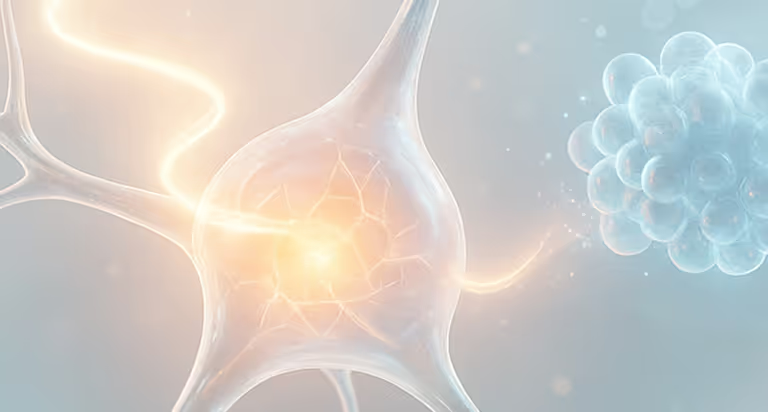
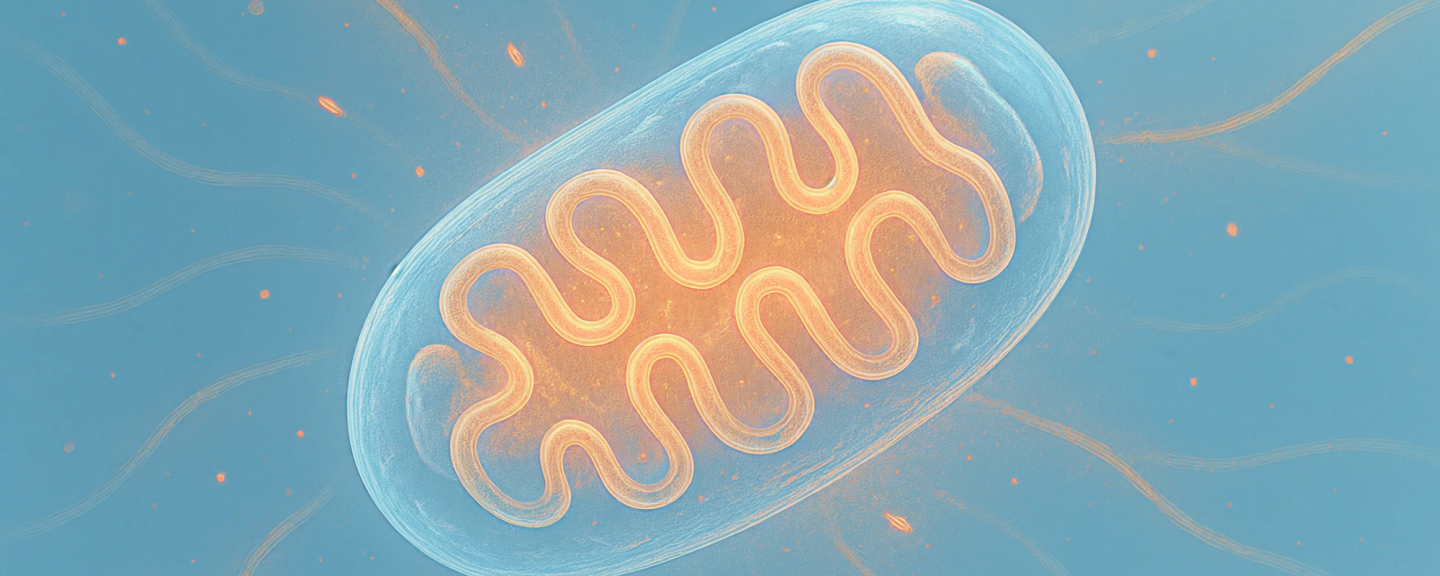
Mitochondrial dysfunction is a term that encapsulates dysfunction in various operations of the mitochondria. With mitochondria being the main energy producers of the cell, dysfunction can lead to reduced ATP (energy) production, increased oxidative stress, and difficulty maintaining healthy cell function. When mitochondria can’t keep up with the body’s energy demands or fail to remove damaged components, it can affect brain function, muscle strength, immune response, and overall vitality. Mitochondrial dysfunction is linked to many conditions, including fatigue, neurodegeneration, and metabolic disorders (Zong et al., 2024).
How many PBM sessions will I need?
Benefits can often be noticed within a few sessions, especially related to sleep and mental clarity. For cognitive improvements, consistent use over several weeks or months is typically recommended. As AD is often referred to as a neurodegenerative disease with genetic components, incorporating light therapy as a regular lifestyle habit can support overall brain health and give your brain the best chance to stay at its most performing level over time.
Is PBM safe?
Yes. PBM is FDA-cleared for various applications and has a strong safety profile. It’s non-invasive, painless, and has no known serious side effects when used as directed.
References
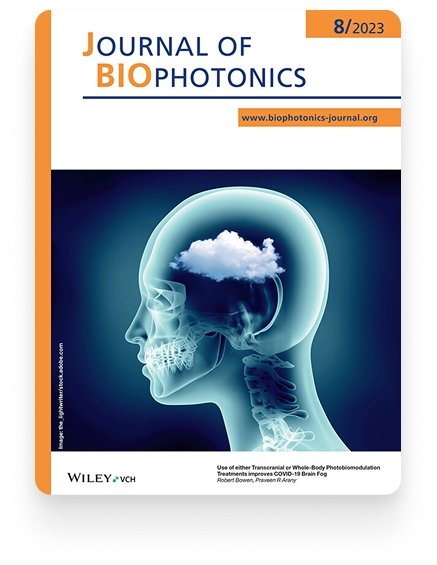
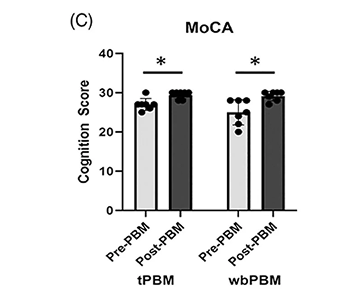
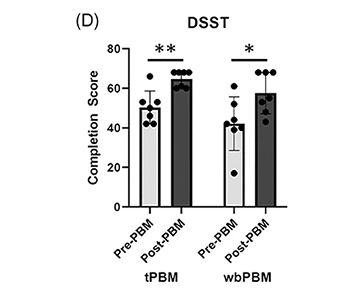
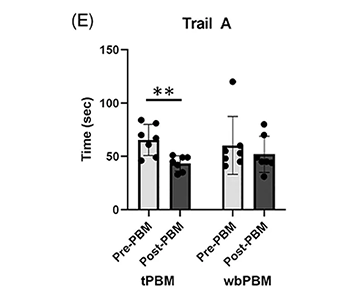
Bowen, R., & Arany, P. R. (2023). Use of either transcranial or whole-body photobiomodulation treatments improves COVID-19 brain fog. Journal of Biophotonics, 16(8), e202200391. https://doi.org/10.1002/jbio.202200391
Dougal, G., Ennaceur, A., & Chazot, P. L. (2021). Effect of transcranial near-infrared light 1068 nm upon memory performance in aging healthy individuals: A pilot study. Photobiomodulation, Photomedicine, and Laser Surgery, 39(10), 654–660. https://doi.org/10.1089/photob.2020.4956
Hamblin, M. R. (2017). Mechanisms and applications of the anti-inflammatory effects of photobiomodulation. AIMS Biophysics, 4(3), 337–361. https://doi.org/10.3934/biophy.2017.3.337
Greene, C., Connolly, R., Brennan, D., Laffan, A., O'Keeffe, E., Zaporojan, L., O'Callaghan, J., Thomson, B., Connolly, E., Argue, R., Meaney, J. F. M., Martin-Loeches, I., Long, A., Ni Cheallaigh, C., Conlon, N., Doherty, C. P., & Campbell, M. (2024). Blood–brain barrier disruption and sustained systemic inflammation in individuals with long COVID-associated cognitive impairment. Nature Neuroscience, 27(3), 421–432. https://doi.org/10.1038/s41593-024-01576-9
Lai, Y.-J., Liu, S.-H., Manachevakul, S., Lee, T.-A., Kuo, C.-T., & Bello, D. (2023). Biomarkers in long COVID-19: A systematic review. Frontiers in Medicine, 10, Article 1085988. https://doi.org/10.3389/fmed.2023.1085988
Molnár, T., Lehóczki, A., Fekete, M., Várnai, R., Zavori, L., Erdő-Bonyár, Sz., Simon, D., Berki, T., Csecsei, P., & Ezer, E. (2024). Mitochondrial dysfunction in long COVID: Mechanisms, consequences, and potential therapeutic approaches. GeroScience, 46(5), 5267–5286. https://doi.org/10.1007/s11357-024-01165-5
Peluso, M. J., Sans, H. M., Forman, C. A., Nylander, A. N., Ho, H., Lu, S., Goldberg, S. A., Hoh, R., Tai, V., Munter, S. E., Chenna, A., Yee, B. C., Winslow, J. W., Petropoulos, C. J., Martin, J. N., Kelly, J. D., Durstenfeld, M. S., Hsue, P. Y., Hunt, P. W., Greene, M., Chow, F. C., Hellmuth, J., Henrich, T. J., Glidden, D. V., & Deeks, S. G. (2022). Plasma markers of neurologic injury and inflammation in people with self-reported neurologic postacute sequelae of SARS-CoV-2 infection. Neurology: Neuroimmunology & Neuroinflammation, 9(5), e200003. https://doi.org/10.1212/NXI.0000000000200003
Mayo Clinic Staff. (2024, August 23). Long COVID: Lasting effects of COVID-19. Mayo Clinic. https://www.mayoclinic.org/diseases-conditions/coronavirus/in-depth/coronavirus-long-term-effects/art-20490351