Research on Light Therapy and ADHD
Attention deficit hyperactivity disorder (ADHD) is a neurodevelopmental disorder that affects how a person pays attention, controls impulses, and manages energy levels.
Attention deficit hyperactivity disorder (ADHD) is a neurodevelopmental disorder that affects how a person pays attention, controls impulses, and manages energy levels.

What Are the Signs and Symptoms of ADHD?
The signs and symptoms of ADHD vary depending on the person. There are two subtypes of ADHD, inattention and hyperactivity-impulsivity, that are associated with different classifications of symptoms.
Individuals with ADHD often have high levels of passion, enthusiasm, problem-solving skills, and alertness, but may struggle in other areas including difficulty concentrating, talking too much, lack of attention to detail, and engaging with others.
What Causes Symptoms of ADHD?
Given the variety of symptoms that accompany ADHD, there are a myriad of causes that can contribute to symptoms of this condition. Some causes may include:

Genetic Contributions
Inheritance of specific alleles in various genes, such as the dopamine genes (DRD4, DRD5) or COMT gene may contribute to the genetic component of ADHD symptoms (Thapar & Stergiakouli, 2010).
Mitochondrial Dysfunction
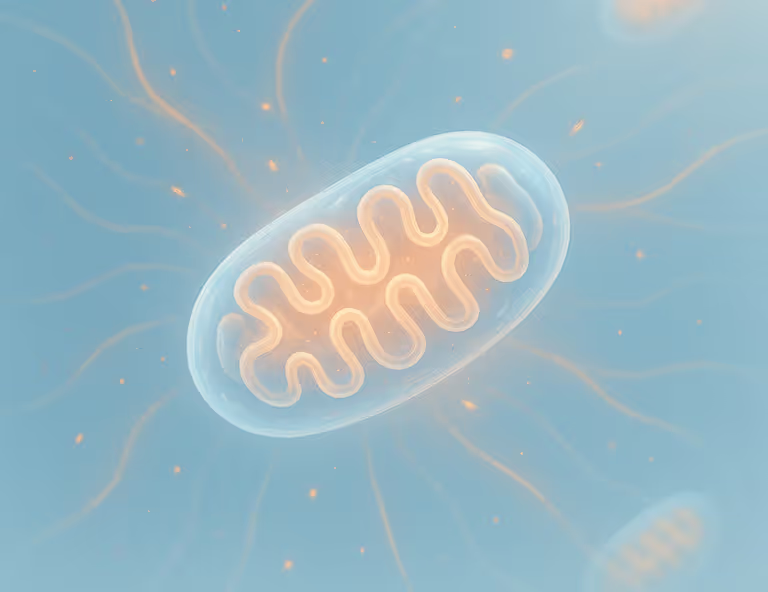
Studies show a possible relationship between mitochondrial dysfunction and ADHD, showing decreased cellular and mitochondrial respiration, reduced mitochondrial complex V activity, and increased oxidative stress in ADHD models (Verma et al., 2016).
Structural and Functional Abnormalities
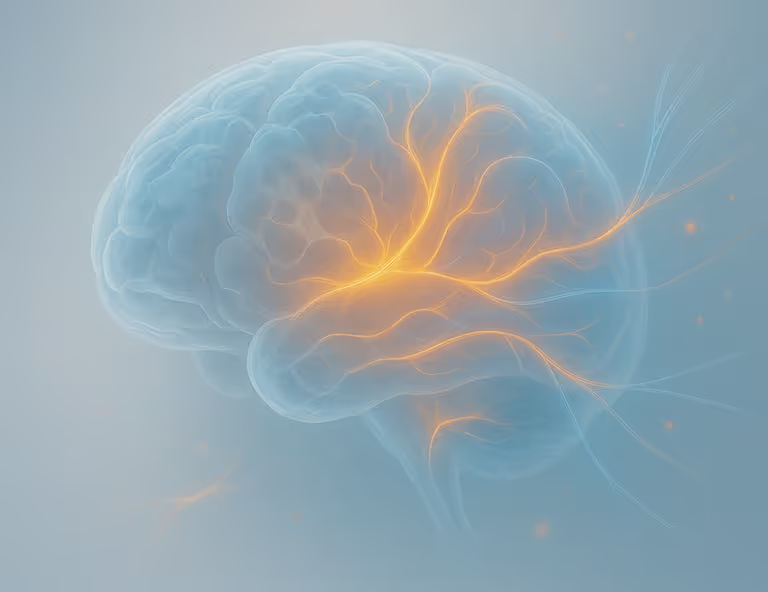
The brains of those with ADHD show many structural and functional abnormalities. Structural differences include incomplete maturation of the middle and superior temporal gyrus, and fronto-basal portions of both frontal lobes (Gehricke et al., 2017). Functional abnormalities are present in the superior longitudinal fasciculus and cortico-limbic areas.

Research on Using PBM for ADHD Is Increasing
Evidence suggests that PBM may be a helpful intervention to manage various symptoms:
FAQs
What results can be expected and when?
Results and timeline vary depending on the individual. Types of results and their timelines vary depending on the individuals. However, a combination of research and anecdotal evidence from providers suggests some expected results to be the following: improved language capabilities, improvements in emotional regulation, decreased repetitive behaviours, and improved social skills/engagement. While some clients may see results very quickly, others may take a few months.
What improvements do people with ADHD see when using PBM?
While every individual responds differently, improvements mentioned in our Trustpilot reviews include: improvements in focus, concentration, memory, and brain fog.
How many PBM sessions will I need?
Benefits can often be noticed within a few sessions, especially related to sleep and mental clarity. For cognitive improvements, consistent use over several weeks or months is typically recommended. As AD is often referred to as a neurodegenerative disease with genetic components, incorporating light therapy as a regular lifestyle habit can support overall brain health and give your brain the best chance to stay at its most performing level over time.
Is PBM safe?
Yes. PBM is FDA-cleared for various applications and has a strong safety profile. It’s non-invasive, painless, and has no known serious side effects when used as directed.
References
- Blanco, N. J., Saucedo, C. L., & Gonzalez‑Lima, F. (2017). Transcranial infrared laser stimulation improves rule‑based, but not information‑integration, category learning in humans. Neurobiology of Learning and Memory, 139, 69–75. https://doi.org/10.1016/j.nlm.2016.12.016
- Gehricke, J.-G., Kruggel, F., Thampipop, T., Alejo, S. D., Tatos, E., Fallon, J., & Muftuler, L. T. (2017, April 13). The brain anatomy of attention‑deficit/hyperactivity disorder in young adults: A magnetic resonance imaging study. PLoS ONE, 12(4), e0175433. https://doi.org/10.1371/journal.pone.0175433
- Lai, Q.-J., Chen, Y., Liu, L., Li, H.-M., Pan, M.-R., Wang, Y.-F., Niu, H.-J., & Qian, Q.-J. (2025). Repetitive transcranial photobiomodulation improves working memory and attention in adults with ADHD: A 4‑week follow‑up study. Photobiomodulation, Photomedicine, and Laser Surgery, 43(5), 190–197. https://doi.org/10.1089/photob.2025.0008
- Thapar, A. & Stergiakouli, E. (2010). An overview on the genetics of ADHD. Xin li xue bao: Acta Psychologica Sinica, 40(10), 1088–1098. https://doi.org/10.3724/SP.J.1041.2008.01088
- Verma, P., Singh, A., Nthenge‑Ngumbau, D. N., Rajamma, U., Sinha, S., Mukhopadhyay, K., & Mohanakumar, K. P. (2016). Attention deficit‑hyperactivity disorder suffers from mitochondrial dysfunction. BBA Clinical, 6, 153–158. https://doi.org/10.1016/j.bbacli.2016.10.003