Understanding Light Therapy
Transcranial photobiomodulation is known as brain light therapy. Light therapy involves the use of light-emitting diodes (LEDs) to deliver a specific wavelength of light that can be absorbed by cells in the body.
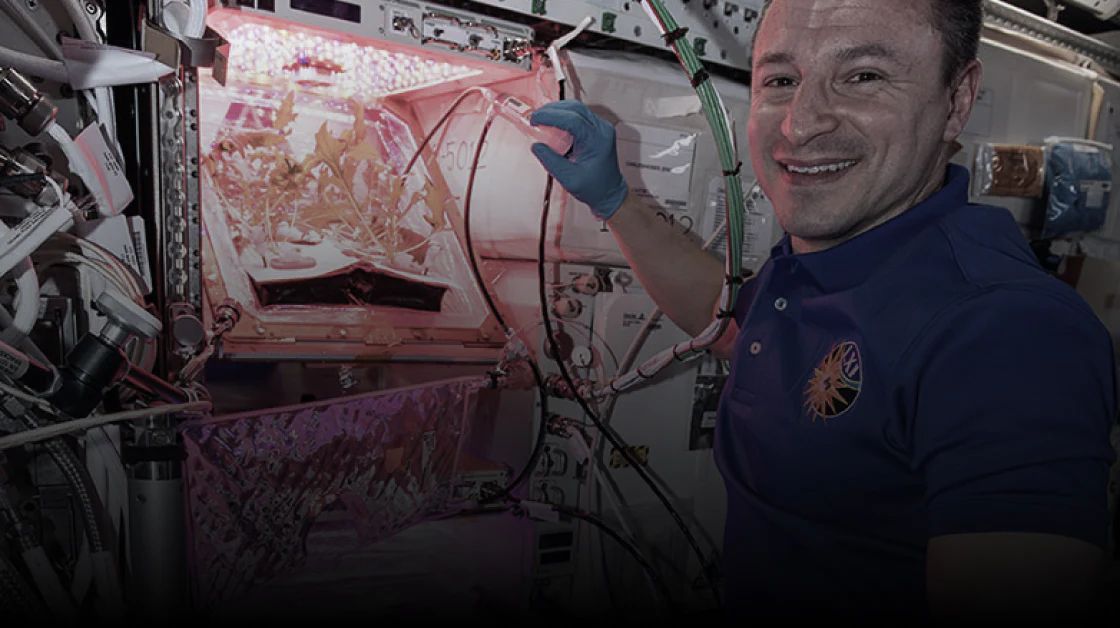
All biological activity in our body requires ATP just like plants require chlorophyl.
Transcranial photobiomodulation is painless, non-invasive, systemic, drug-free and has shown to have no negative side effects when used appropriately.
A Cellular Breakdown
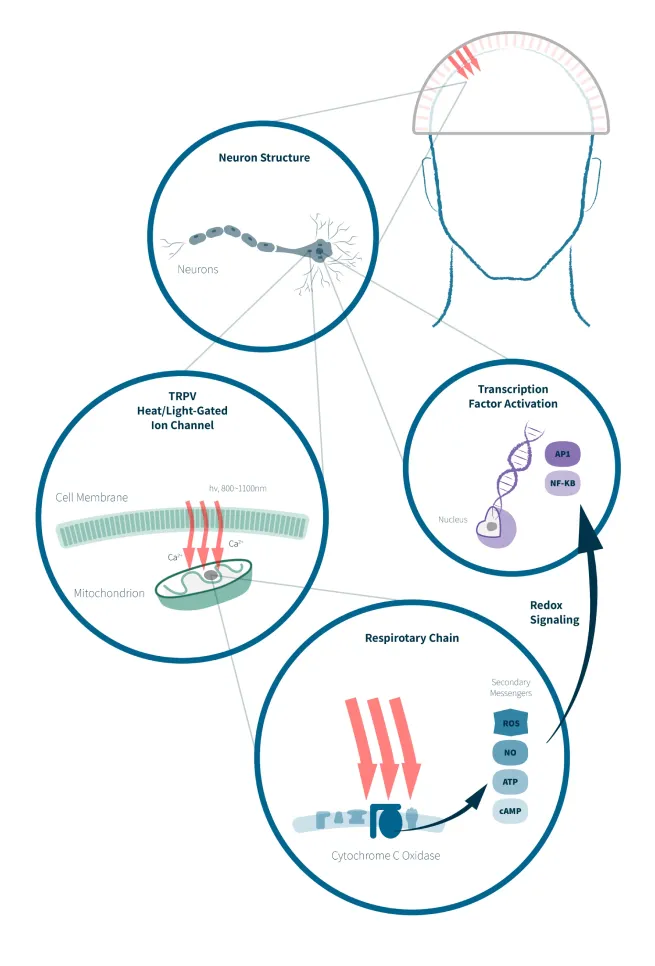
Photobiomodulation is defined as the use of light energy to trigger photochemical changes within cellular structures (mitochondria) that are receptive to red and near-infrared (NIR) light. The mitochondria produce cellular energy by producing a molecule called adenosine triphosphate (ATP). The energy from ATP enables us to carry out all physiological activities and provides energy to the brain cells. In addition, application of light energy leads to greater blood flow to the brain – allowing delivery of nutrients and removal of waste products.
This is a new way of ‘charging’ the brain and now research is starting to show significant benefit of this therapy for brain health.
“Photobiomodulation is more than an alternative kind of medical treatment. It is a whole new method to control cellular processes and modulate living organisms by precise alterations in the chemistry of biomolecules."
Harvard Pioneer Researcher, Neuronic Scientific Advisory Board Member, Michael Hamblin, PhD
Key Mechanism in Action
Photobiomodulation is defined as the use of light energy to trigger photochemical changes within cellular structures (mitochondria) that are receptive to red and near-infrared (NIR) light. The mitochondria produce cellular energy by producing a molecule called adenosine triphosphate (ATP). The energy from ATP enables us to carry out all physiological activities and provides energy to the brain cells. In addition, application of light energy leads to greater blood flow to the brain – allowing delivery of nutrients and removal of waste products.
This is a new way of ‘charging’ the brain and now research is starting to show significant benefit of this therapy for brain health.