Research on Light Therapy and Brain Injury
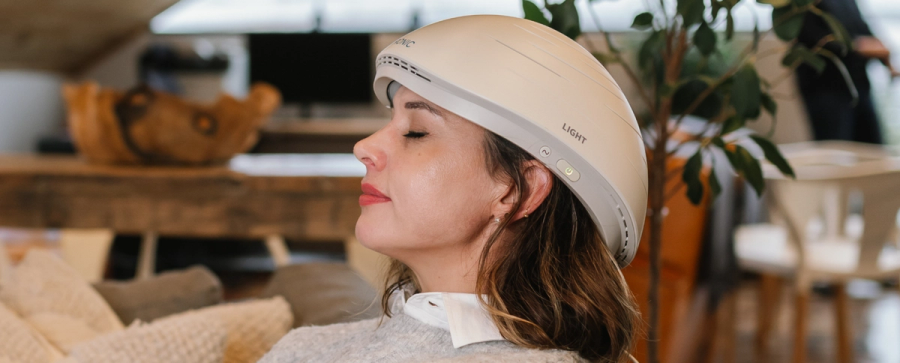
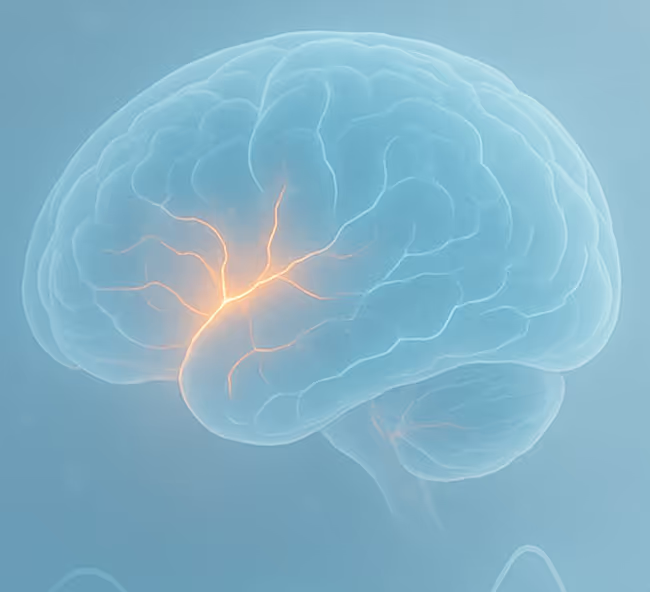
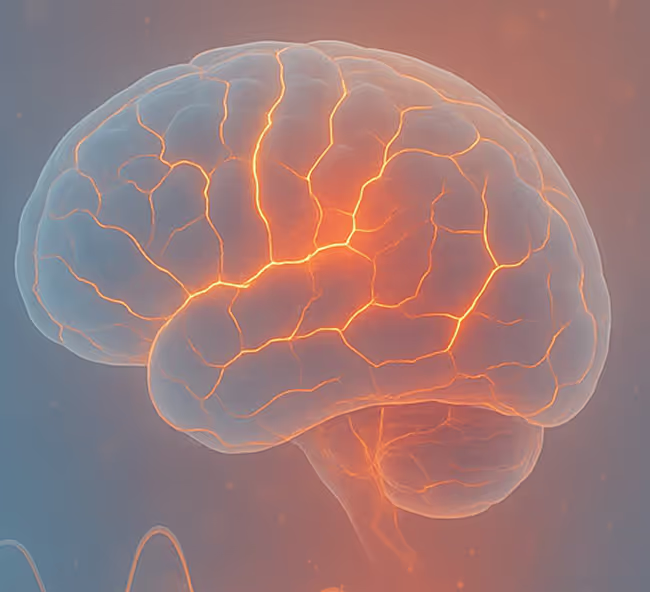
Brain injuries can come from various causes and their symptoms can result in impaired function of day to day activities. Luckily, research in the field of transcranial photobiomodulation (tPBM) shows promising results for brain injuries.
Brain injuries can come from various causes and their symptoms can result in impaired function of day to day activities. Luckily, research in the field of transcranial photobiomodulation (tPBM) shows promising results for brain injuries.

Signs and Symptoms of a Brain Injury
Brain injuries can occur from a myriad of causes, including automobile accidents, falls, sports collisions, and combat related blasts, to name a few. Their symptoms and severity vary from person to person, but some common symptoms include:
- Headache
- Nausea or vomiting
- Sensitivities to light or sound
- Loss of consciousness
- Problems with memory or concentration
- Mood changes or mood swings
- Irregular sleep
*Read a full list of symptoms on the Mayo Clinic website
FAQs
Who should not use PBM?
Generally, light therapy is non-significant risk and therefore harmless to majority of the population however, We DO NOT recommend this device if you have: Metal plates, implanted stimulation devices or other metal objects in the brain, cancer/malignant tissue/active carcinoma, brain tumors, medications causing light sensitivity, open wounds on the head, pregnancy, a recent hemorrhagic stroke or other disorder, or certain hyperthyroid conditions.
What types of results do people with TBI experience from using PBM?
While every individual responds differently, improvements mentioned in our Trustpilot reviews include: improvements in focus, balance, memory, speech, and brain fog.
Is PBM safe?
Yes. PBM is FDA-cleared for various applications and has a strong safety profile. It’s non-invasive, painless, and has no known serious side effects when used as directed.
References
Ginsburg, J., Smith, T. (2024). Traumatic brain injury. In StatPearls. Treasure Island (FL): StatPearls Publishing. Retrieved July 18, 2025, from https://www.ncbi.nlm.nih.gov/books/NBK557861/
Lee, T.-L., Chan, D. Y.-C., Chan, D. T.-M., Cheung, M.-C., Shum, D. H.-K., & Chan, A. S.-Y. (2025, June 9). Transcranial photobiomodulation improves cognitive function, post‑concussion, and PTSD symptoms in mild traumatic brain injury. Journal of Neurotrauma. Advance online publication. https://doi.org/10.1089/neu.2025.0048
Lim, L. (2024). Traumatic brain injury recovery with photobiomodulation: Cellular mechanisms, clinical evidence, and future potential. Cells, 13(5), 385. https://doi.org/10.3390/cells13050385
Naeser, M. A., Zafonte, R., Krengel, M. H., Martin, P. I., Frazier, J., Hamblin, M. R., Knight, J. A., Meehan, W. P., & Baker, E. H. (2014, June 1). Significant improvements in cognitive performance post-transcranial, red/near-infrared light-emitting diode treatments in chronic, mild traumatic brain injury: Open-protocol study. Journal of neurotrauma. https://www.ncbi.nlm.nih.gov/pmc/articles/PMC4043367/
Oron, A., Shohami, E., Trembovler, V., Alexandrovich, A., De Taboada, L., Streeter, J., & Oron, U. (2012, January 20). Near infrared transcranial laser therapy applied at various modes to mice following traumatic brain injury significantly reduces long-term neurological deficits. Journal of neurotrauma. https://pubmed.ncbi.nlm.nih.gov/22040267/