Research on Light Therapy and Alzheimer’s Disease
Alzheimer’s Disease (AD) is a neurodegenerative disease that slowly destroys memory, thinking skills, and eventually, the ability to carry out simple tasks. Early research into photobiomodulation for AD is uncovering promising results.
Alzheimer’s Disease (AD) is a neurodegenerative disease that slowly destroys memory, thinking skills, and eventually, the ability to carry out simple tasks. Early research into photobiomodulation for AD is uncovering promising results.
What Causes Memory Loss in Alzheimer’s Disease?
Think of brain cells like tiny factories that generate energy, process information, and communicate with each other. When one part of this system fails, it sets off a chain reaction of dysfunction. In AD, these breakdowns worsen over time, leading to cell death and permanent changes in regions of the brain critical for memory, behavior, and daily functioning.
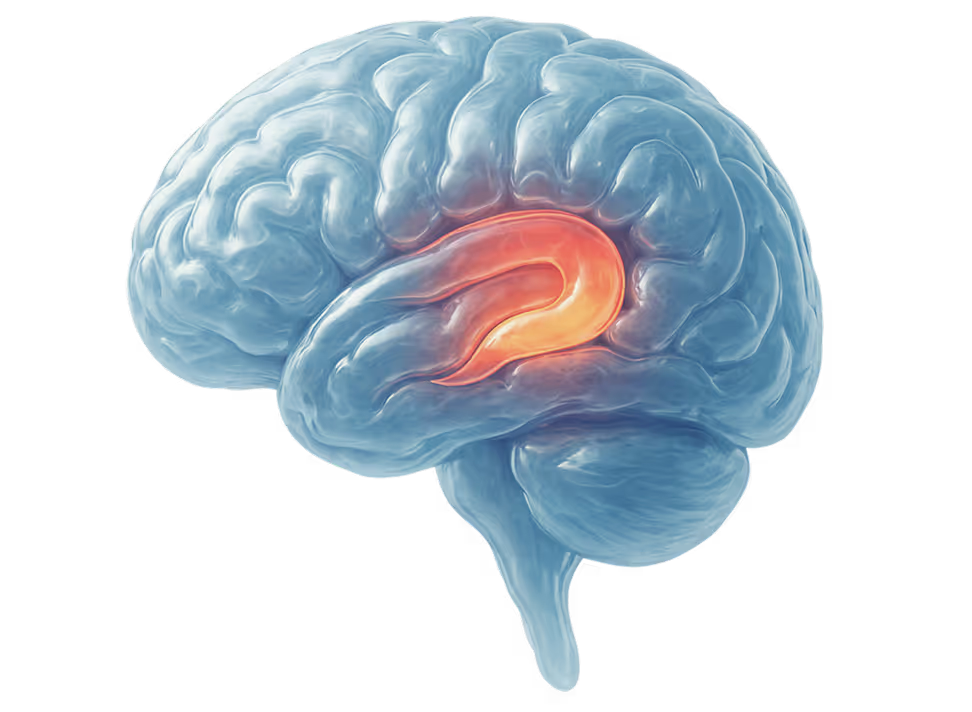
Damage often starts in thehippocampus- the region responsible for forming new memories. As AD progresses, this damage spreads, causing worsening memory loss and increasing difficulties with thinking, reasoning, and behavior.
Scientific Insights into PBM & Alzheimer's
FAQs
How many PBM sessions will I need?
Benefits can often be noticed within a few sessions, especially related to sleep and mental clarity. For cognitive improvements, consistent use over several weeks or months is typically recommended. As AD is often referred to as a neurodegenerative disease with genetic components, incorporating light therapy as a regular lifestyle habit can support overall brain health and give your brain the best chance to stay at its most performing level over time.
What are the benefits of PBM for Alzheimer’s?
Research suggests PBM can:
- Improve memory and focus
- Reduce mood disturbances
- Support healthier sleep
- Slow down neurodegeneration
- Enhance overall brain function
How does PBM work for Alzheimer’s Disease?
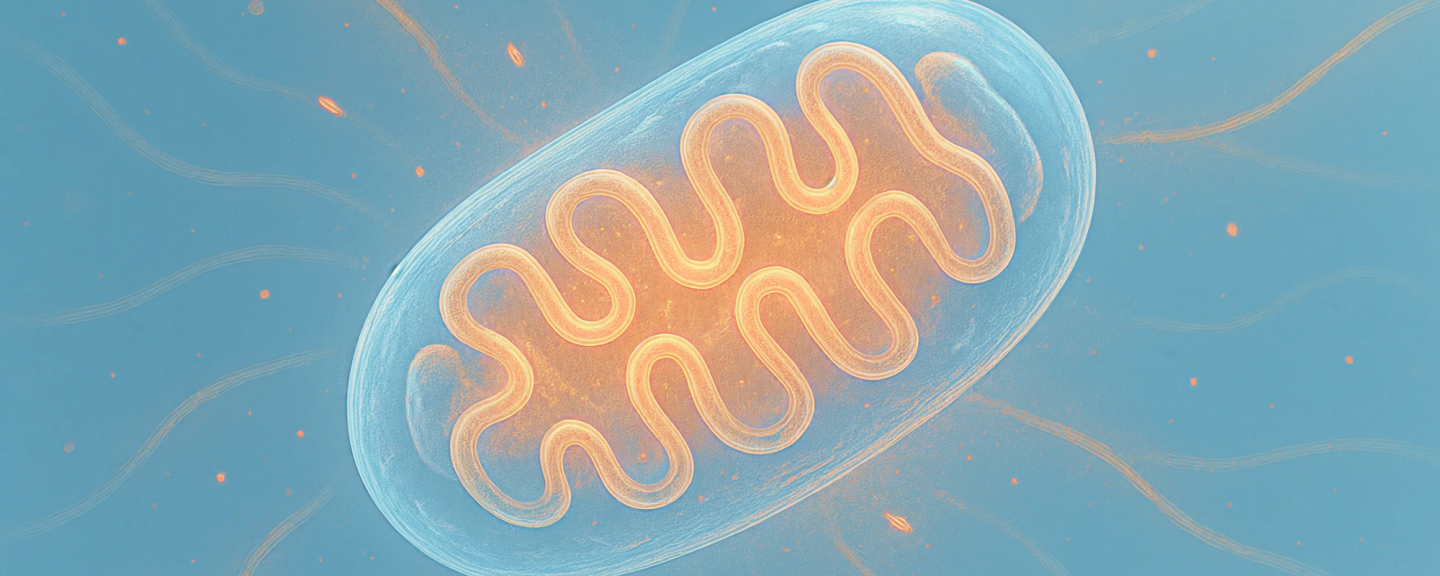
PBM uses red and near-infrared light to stimulate brain cells at the mitochondrial level. This boosts energy production, reduces inflammation, and supports tissue repair — all critical factors in slowing AD progression.
Is PBM safe?
Yes. PBM is FDA-cleared for various applications and has a strong safety profile. It’s non-invasive, painless, and has no known serious side effects when used as directed.
References
- de Oliveira, B. H., Lins, E. F., Kunde, N. F., Salgado, A. S. I., Martins, L. M., Bobinski, F., Vieira, W. F., Cassano, P., Quialheiro, A., & Martins, D. F. (2024). Transcranial photobiomodulation increases cognition and serum BDNF levels in adults over 50 years: A randomized, double-blind, placebo-controlled trial. Journal of Photochemistry and Photobiology. B, Biology, 260, 113041. https://doi.org/10.1016/j.jphotobiol.2024.113041 https://doi.org/10.1016/j.jphotobiol.2024.113041
- Lu, Y., Wang, R., Dong, Y., Tucker, D., Zhao, N., Ahmed, M. E., Zhu, L., Liu, T. C., Cohen, R. M., & Zhang, Q. (2017). Low-level laser therapy for beta amyloid toxicity in rat hippocampus. Neurobiology of Aging, 49, 165–182. https://doi.org/10.1016/j.neurobiolaging.2016.10.003 https://doi.org/10.1016/j.neurobiolaging.2016.10.003
- Meng, C., He, Z., & Xing, D. (2013). Low-level laser therapy rescues dendrite atrophy via upregulating BDNF expression: implications for Alzheimer's disease. The Journal of Neuroscience, 33(33), 13505–13517. https://doi.org/10.1523/JNEUROSCI.0918-13.2013 https://doi.org/10.1523/JNEUROSCI.0918-13.2013
- Nairuz, T., Sangwoo-Cho, & Lee, J. H. (2024). Photobiomodulation Therapy on Brain: Pioneering an Innovative Approach to Revolutionize Cognitive Dynamics. Cells, 13(11), 966. https://doi.org/10.3390/cells13110966 https://doi.org/10.3390/cells13110966
- Stepanov, Y. V., Golovynska, I., Zhang, R., et al. (2022). Near-infrared light reduces β-amyloid-stimulated microglial toxicity and enhances survival of neurons: mechanisms of light therapy for Alzheimer’s disease. Alzheimer's Research & Therapy, 14, 84. https://doi.org/10.1186/s13195-022-01022-7 https://doi.org/10.1186/s13195-022-01022-7
- Yang, L., Wu, C., Parker, E., Li, Y., Dong, Y., Tucker, L., Brann, D. W., Lin, H. W., & Zhang, Q. (2022). Non-invasive photobiomodulation treatment in an Alzheimer Disease-like transgenic rat model. Theranostics, 12(5), 2205–2231. https://doi.org/10.7150/thno.70756 https://doi.org/10.7150/thno.70756
- Zhang, R., Zhou, T., Samanta, S., Luo, Z., Li, S., Xu, H., & Qu, J. (2022). Synergistic photobiomodulation with 808-nm and 1064-nm lasers to reduce the β-amyloid neurotoxicity in the in vitro Alzheimer's disease models. Frontiers in Neuroimaging, 1, 903531. https://doi.org/10.3389/fnimg.2022.903531 https://doi.org/10.3389/fnimg.2022.903531