Research on Light Therapy and Autism Spectrum Disorder
Autism Spectrum Disorder (ASD) affects social skills, behavior, and communication. Emerging PBM research shows promising results for easing ASD symptoms.
Autism Spectrum Disorder (ASD) affects social skills, behavior, and communication. Emerging PBM research shows promising results for easing ASD symptoms.

What Are the Signs and Symptoms of Autism Spectrum Disorder?
Signs and symptoms of autism can vary greatly between individuals, but certain patterns often emerge. Some children may avoid eye contact or show little awareness when others are hurt or upset, even by the age of two. Pretend play, which typically emerges in early childhood, may be absent or limited. Others may develop highly focused or obsessive interests, repeat the same words or phrases over and over (a behavior known as echolalia), or engage in repetitive physical movements like hand-flapping, rocking, or spinning in circles. These behaviors can present differently depending on the individual, and not every person with autism will exhibit all—or even most—of these traits.
*Find a full list of symptoms and diagnostic criteria on the CDC website.
What Causes Symptoms in Autism?
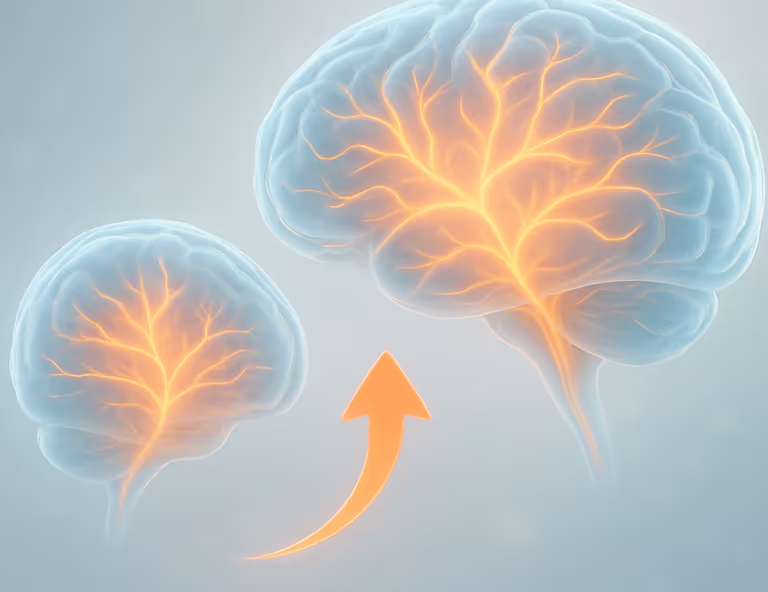
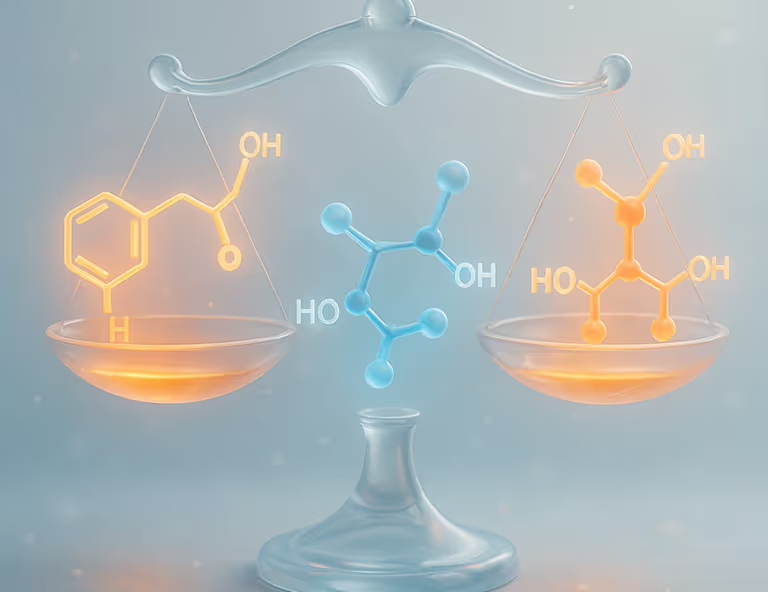
Even though autism shows up in many different ways and has many possible causes, there are some common biological patterns seen in people with it. Research of biomarkers in this disorder are hard to identify, due to the lack of replicated findings in human subjects, and limited sample sizes. Nonetheless, some key findings in the literature include...
FAQs
What results can be expected and when?
Types of results and their timelines vary depending on the individuals. However, a combination of research and anecdotal evidence from providers suggests some expected results to be the following: improved language capabilities, improvements in emotional regulation, decreased repetitive behaviours, and improved social skills/engagement. While some clients may see results very quickly, others may take a few months.
What is mitochondrial dysfunction?
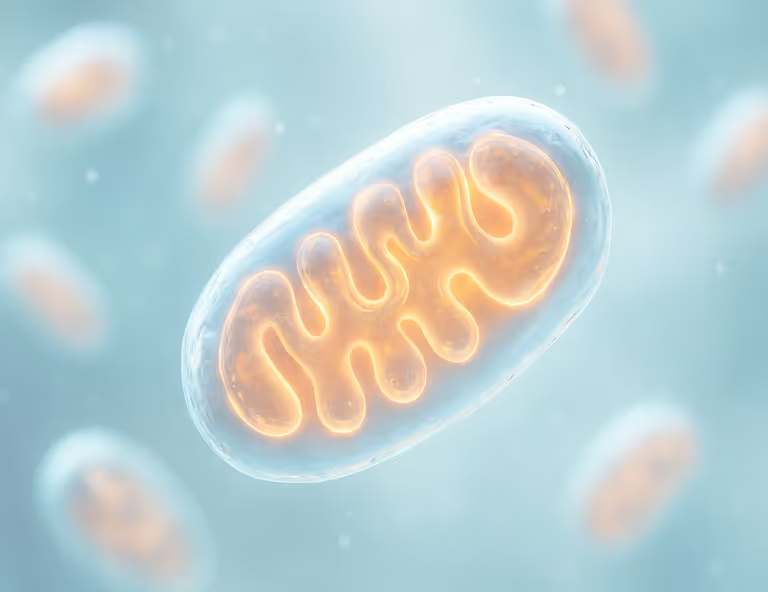
Mitochondrial dysfunction is a term that encapsulates dysfunction in various operations of the mitochondria. With mitochondria being the main energy producers of the cell, dysfunction can lead to reduced ATP (energy) production, increased oxidative stress, and difficulty maintaining healthy cell function. When mitochondria can’t keep up with the body’s energy demands or fail to remove damaged components, it can affect brain function, muscle strength, immune response, and overall vitality. Mitochondrial dysfunction is linked to many conditions, including fatigue, neurodegeneration, and metabolic disorders (Zong et al., 2024).
How many PBM sessions will I need?
Benefits can often be noticed within a few sessions, especially related to sleep and mental clarity. For cognitive improvements, consistent use over several weeks or months is typically recommended. As AD is often referred to as a neurodegenerative disease with genetic components, incorporating light therapy as a regular lifestyle habit can support overall brain health and give your brain the best chance to stay at its most performing level over time.
Is PBM safe?
Yes. PBM is FDA-cleared for various applications and has a strong safety profile. It’s non-invasive, painless, and has no known serious side effects when used as directed.
References
Anagnostou, E., & Taylor, M. J. (2011). Review of neuroimaging in autism spectrum disorders: What have we learned and where do we go from here. Molecular Autism, 2(1), 4. https://doi.org/10.1186/2040-2392-2-4
Ceranoglu, T. A., Cassano, P., Hoskova, B., Green, A., Dallenbach, N., DiSalvo, M., Biederman, J., & Joshi, G. (2022). Transcranial photobiomodulation in adults with high‑functioning autism spectrum disorder: Positive findings from a proof‑of‑concept study. Photobiomodulation, Photomedicine, and Laser Surgery, 40(1), 4–12. https://doi.org/10.1089/photob.2020.4986
Courchesne, E., Mouton, P. R., Calhoun, M. E., Semendeferi, K., Ahrens‑Barbeau, C., Hallet, M. J., Barnes, C. C., & Pierce, K. (2011). Neuron number and size in prefrontal cortex of children with autism. JAMA, 306(18), 2001–2010. https://doi.org/10.1001/jama.2011.1638
Eshaghi, E., Sadigh‑Eteghad, S., Mohaddes, G., & Rasta, S. H. (2019). Transcranial photobiomodulation prevents anxiety and depression via changing serotonin and nitric oxide levels in brain of depression‑model mice: A study of three different doses of 810 nm laser. Lasers in Surgery and Medicine, 51(7), 634–642. https://doi.org/10.1002/lsm.23082
Fradkin, Y., Anguera, J. A., Simon, A. J., De Taboada, L., & Steingold, E. (2025). Transcranial photobiomodulation for reducing symptoms of autism spectrum disorder and modulating brain electrophysiology in children aged 2–7: An open‑label study. Frontiers in Child and Adolescent Psychiatry, 4, Article 1477839. https://doi.org/10.3389/frcha.2025.1477839
Hamblin, M. R. (2019). Photobiomodulation for Alzheimer’s disease: Has the light dawned? Photonics, 6(3), 77. https://doi.org/10.3390/photonics6030077europepmc.org+2pmc.ncbi.nlm.nih.gov+2sricert.org+2
Marotta, R., Risoleo, M. C., Messina, G., Parisi, L., Carotenuto, M., Vetri, L., & Roccella, M. (2020). The neurochemistry of autism. Brain Sciences, 10(3), 163. https://doi.org/10.3390/brainsci10030163
Pallanti, S., Di Ponzio, M., Grassi, E., Vannini, G., & Cauli, G. (2022). Transcranial photobiomodulation for the treatment of children with autism spectrum disorder (ASD): A retrospective study. Children, 9(5), 755. https://doi.org/10.3390/children9050755
Rossignol, D. A., & Frye, R. E. (2012). Mitochondrial dysfunction in autism spectrum disorders: A systematic review and meta-analysis. Molecular Psychiatry, 17(3), 290–314. https://doi.org/10.1038/mp.2010.136
Zong, Y., Li, H., Liao, P., Chen, L., Pan, Y., Zheng, Y., & Gao, J. (2024). Mitochondrial dysfunction: mechanisms and advances in therapy. Signal Transduction and Targeted Therapy, 9(1), 124. https://doi.org/10.1038/s41392-024-01839-8