Research on Light Therapy and Brain Fog
Brain fog is a term that encompasses a variety of cognitive impairments, such as memory, attention, and fatigue. Research on photobiomodulation (PBM) provides promising evidence for reducing it’s symptom severity.
Brain fog is a term that encompasses a variety of cognitive impairments, such as memory, attention, and fatigue. Research on photobiomodulation (PBM) provides promising evidence for reducing it’s symptom severity.

Signs and Symptoms of Brain Fog
Symptoms of brain fog include (Cleveland Clinic, 2024):
- Difficulty concentrating
- Fatigue
- Forgetfulness
- Mental exhaustion
- Confusion
- Troubles with word-finding
- Slow thought process and reaction time.
- Losing your train of thought
Is There a Biomarker for Brain Fog?
Because brain fog is a constellation of symptoms that can be tied to a variety of causes, and can be both chronic or acute, biomarkers would depend on the cause of each case of brain fog. However, cases across each condition have similarities including (Denno et al., 2025):

What Causes Symptoms of Brain Fog?
Symptoms of brain fog include (Cleveland Clinic, 2024):
- Lifestyle factors such as poor sleep, jet lag, shift work, drug or alcohol use, excessive screentime.
- Side effects from medications or treatments such as chemotherapy, antihistamines, or sleep medications.
- Illness and conditions such as COVID-19, migraines, pregnancy, diabetes, or mental health conditions. (American Brain Foundation, 2025)
FAQs
What results can be expected and when?
Types of results and their timelines vary depending on the individuals. However, a combination of research and anecdotal evidence from providers suggests some expected results to be the following: improved language capabilities, improvements in emotional regulation, decreased repetitive behaviours, and improved social skills/engagement. While some clients may see results very quickly, others may take a few months.
What is mitochondrial dysfunction?
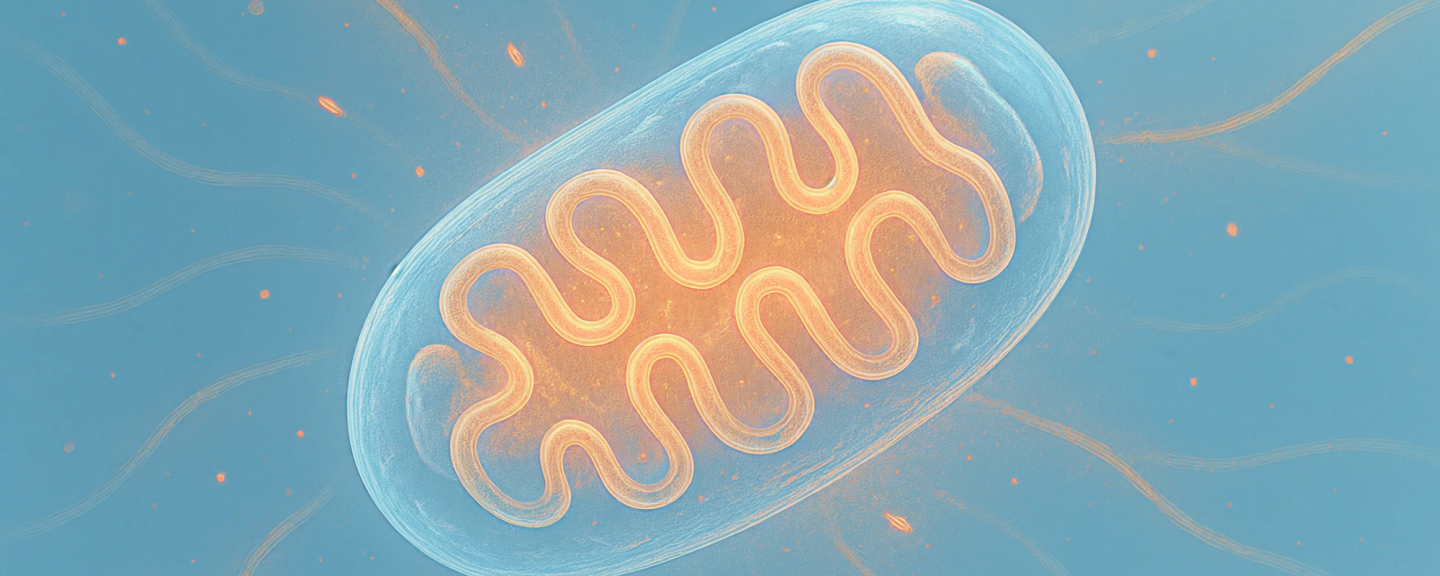
Mitochondrial dysfunction is a term that encapsulates dysfunction in various operations of the mitochondria. With mitochondria being the main energy producers of the cell, dysfunction can lead to reduced ATP (energy) production, increased oxidative stress, and difficulty maintaining healthy cell function. When mitochondria can’t keep up with the body’s energy demands or fail to remove damaged components, it can affect brain function, muscle strength, immune response, and overall vitality. Mitochondrial dysfunction is linked to many conditions, including fatigue, neurodegeneration, and metabolic disorders (Zong et al., 2024).
How many PBM sessions will I need?
Benefits can often be noticed within a few sessions, especially related to sleep and mental clarity. For cognitive improvements, consistent use over several weeks or months is typically recommended. As AD is often referred to as a neurodegenerative disease with genetic components, incorporating light therapy as a regular lifestyle habit can support overall brain health and give your brain the best chance to stay at its most performing level over time.
Is PBM safe?
Yes. PBM is FDA-cleared for various applications and has a strong safety profile. It’s non-invasive, painless, and has no known serious side effects when used as directed.
References
American Brain Foundation. (n.d.). What is brain fog? https://www.americanbrainfoundation.org/what-is-brain-fog/
Bowen, R., & Arany, P. R. (2023). Use of either transcranial or whole-body photobiomodulation treatments improves COVID-19 brain fog. Journal of Biophotonics, 16(8), e202200391. https://doi.org/10.1002/jbio.202200391
Cleveland Clinic. (n.d.). Brain fog. https://my.clevelandclinic.org/health/symptoms/brain-fog
Denno, P., Zhao, S., Husain, M., & Hampshire, A. (2025). Defining brain fog across medical conditions. Trends in Neurosciences, 48(5), 330–348. https://doi.org/10.1016/j.tins.2025.01.003
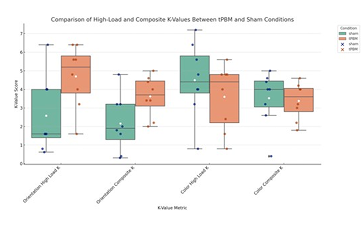
Lundie, M., Koch, M., Villanueva, A., Nguyen, T., Garner, C., Satsangi, M., Advani, P., & Krawczyk, D. (2025). Illuminating cognitive performance: Assessing the role of transcranial photobiomodulation in augmenting cognition. Military Medicine, 190(Suppl. 2), 456–463. https://doi.org/10.1093/milmed/usaf227
Mehdizadeh, M., Farnam, A., & Nikzad, B. (2025). Transcranial photobiomodulation improves sleep quality, reduces daytime sleepiness, and modulates delta power in chronic insomnia: A randomized controlled trial. Lasers in Medical Science, 40(1), Article 451. https://doi.org/10.1007/s10103-025-04699-y