Research on Light Therapy and Depression
Depression is a mental health condition that affects the mental, physical and emotional health of an estimated 280 million people worldwide (Institute for Health Metrics and Evaluation, 2021). Photobiomodulation (PBM) shows promising results in helping symptoms of this condition.
Depression is a mental health condition that affects the mental, physical and emotional health of an estimated 280 million people worldwide (Institute for Health Metrics and Evaluation, 2021). Photobiomodulation (PBM) shows promising results in helping symptoms of this condition.

Signs and Symptoms of Depression
While depression may look different for everyone, some common symptoms include (Mayo Clinic, 2022):
- Persistent feelings of sadness, emptiness, or hopelessness
- Frequent irritability, anger, or frustration, even over minor issues
- Loss of enjoyment or interest in activities once found pleasurable, including hobbies, sports, or sex
- Disturbed sleep patterns, such as insomnia or excessive sleeping
- Fatigue and low energy, making everyday tasks feel exhausting
- Heightened anxiety, restlessness, or a sense of agitation
- Noticeably slowed thinking, speech, or physical movements
- Overwhelming feelings of guilt or worthlessness, often with self-blame or dwelling on past failures
- Difficulty with focus, memory, decision-making, or clear thinking
- Recurring thoughts of death, suicidal ideation, or attempts at suicide

What Causes Symptoms of Depression?
Oftentimes there is not one cause of depression but can be the result of many sources. Some common causes of depression include (National Health Services, 2023):
- Stressful events - Many people need time to process major life challenges, such as the loss of a loved one or the end of a relationship. The risk of depression can increase if you withdraw from family and friends and try to cope alone.
- Personality - Certain personality traits, like low self-esteem or being highly self-critical, may make you more prone to depression. These tendencies can stem from genetics, early life experiences, or a mix of both.
- Hormonal changes - hormonal changes, whether due to pregnancy, menstruation or menopause, can trigger the onset of depression.
- Family history - Having a parent, sibling, or other close relative with depression raises the likelihood of developing it yourself. Severe depression, in particular, may be partly genetic, though life events also play a major role. A family history of depression does not guarantee you will experience it.
- Other health conditions - pre-existing health conditions can contribute to depression, such as cancer, heart disease, or any conditions that cause long term pain.
FAQs
What results can be expected and when?
Types of results and their timelines vary depending on the individuals. However, a combination of research and anecdotal evidence from providers suggests some expected results to be the following: improved language capabilities, improvements in emotional regulation, decreased repetitive behaviours, and improved social skills/engagement. While some clients may see results very quickly, others may take a few months.
What is mitochondrial dysfunction?
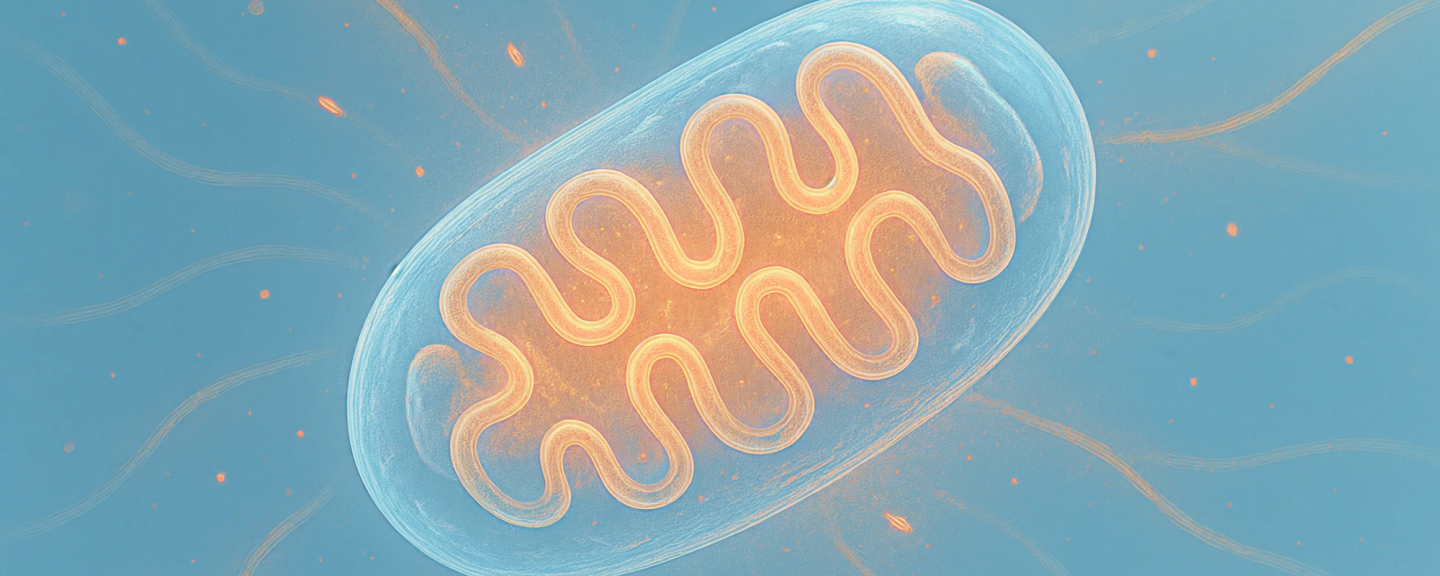
Mitochondrial dysfunction is a term that encapsulates dysfunction in various operations of the mitochondria. With mitochondria being the main energy producers of the cell, dysfunction can lead to reduced ATP (energy) production, increased oxidative stress, and difficulty maintaining healthy cell function. When mitochondria can’t keep up with the body’s energy demands or fail to remove damaged components, it can affect brain function, muscle strength, immune response, and overall vitality. Mitochondrial dysfunction is linked to many conditions, including fatigue, neurodegeneration, and metabolic disorders (Zong et al., 2024).
How many PBM sessions will I need?
Benefits can often be noticed within a few sessions, especially related to sleep and mental clarity. For cognitive improvements, consistent use over several weeks or months is typically recommended. As AD is often referred to as a neurodegenerative disease with genetic components, incorporating light therapy as a regular lifestyle habit can support overall brain health and give your brain the best chance to stay at its most performing level over time.
Is PBM safe?
Yes. PBM is FDA-cleared for various applications and has a strong safety profile. It’s non-invasive, painless, and has no known serious side effects when used as directed.
References
Anxiety and Depression Association of America. (2021, April 27). Co-occurring disorders: Anxiety and related conditions. Retrieved September 2, 2025, from https://adaa.org/understanding-anxiety/co-occurring-disorders
leveland Clinic. (2024, July 3). Anxiety disorders: Causes, symptoms, treatment & types. Retrieved [your retrieval date], from Cleveland Clinic Health Library website: https://my.clevelandclinic.org/health/diseases/9536-anxiety-disorders#symptoms-and-causes
Eshaghi, E., Sadigh-Eteghad, S., Mohaddes, G., & Rasta, S. H. (2019). Transcranial photobiomodulation prevents anxiety and depression via changing serotonin and nitric oxide levels in brain of depression model mice: A study of three different doses of 810 nm laser. Lasers in Surgery and Medicine, 51(7), 634–642. https://doi.org/10.1002/lsm.23082
Etkin, A., & Wager, T. D. (2007). Functional neuroimaging of anxiety: A meta-analysis of emotional processing in PTSD, social anxiety disorder, and specific phobia. American Journal of Psychiatry, 164(10), 1476–1488. Helali, H., Samani, N., Tabeie, F., Eiliaei, S., & Kheradmand, A. (2025). The effectiveness of transcranial photobiomodulation therapy (tPBM) on reducing anxiety, depression, and opioid craving in patients undergoing methadone maintenance treatment: A double-blind, randomized, controlled trial. BMC Psychiatry, 25(1), Article 94. https://doi.org/10.1186/s12888-025-06555-3
Kerppers, F. K., Gonçalves Dos Santos, K. M. M., Ribeiro Cordeiro, M. E., da Silva Pereira, M. C., Barbosa, D., Pezzini, A. A., Cunha, L. F., Fonseca, M., Bragnholo, K., Inoue Salgado, A. S., & Kerppers, I. I. (2020, March 7). Study of transcranial photobiomodulation at 945-nm wavelength: Anxiety and depression. Lasers in Medical Science, 35(9), 1945–1954. https://doi.org/10.1007/s10103-020-02983-7
Martin, E. I., Ressler, K. J., Binder, E., & Nemeroff, C. B. (2009). The neurobiology of anxiety disorders: Brain imaging, genetics, and psychoneuroendocrinology. Psychiatric Clinics of North America, 32(3), 549–575. https://doi.org/10.1016/j.psc.2009.05.004
Persaud, N. S., & Cates, H. M. (2023). The epigenetics of anxiety pathophysiology: A DNA methylation and histone modification focused review. eNeuro, 10(4), ENEURO.0109-21.2021. https://doi.org/10.1523/ENEURO.0109-21.2021
Zhao, A.-R. (2023). Stress can affect mitochondrial energy metabolism and AMPK/SIRT1 signaling pathway in rats. Brain Research Bulletin, 194, 110770. https://doi.org/10.1016/j.brainresbull.2023.110770