


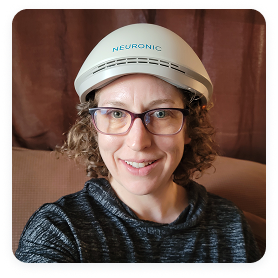
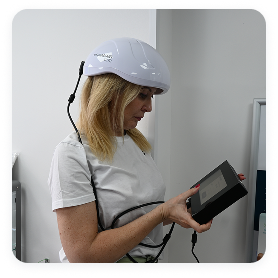
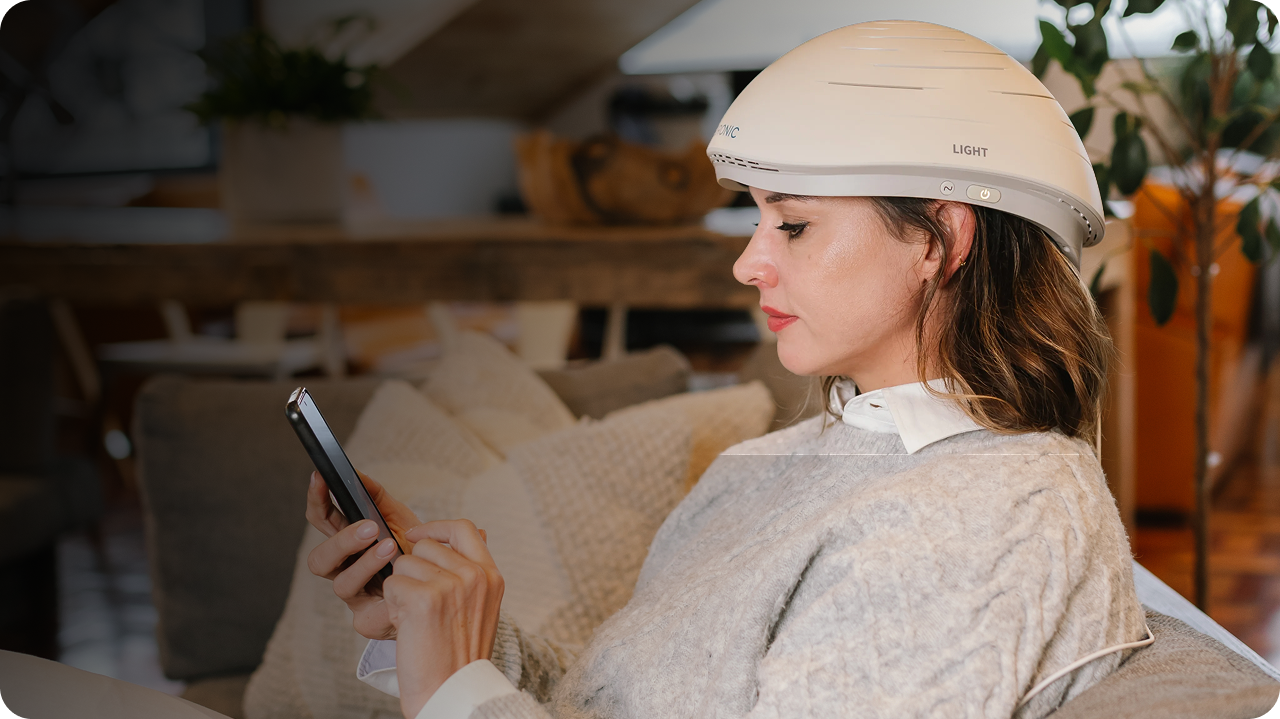

Neuronic LIGHT
$1,795.00excl. sales tax
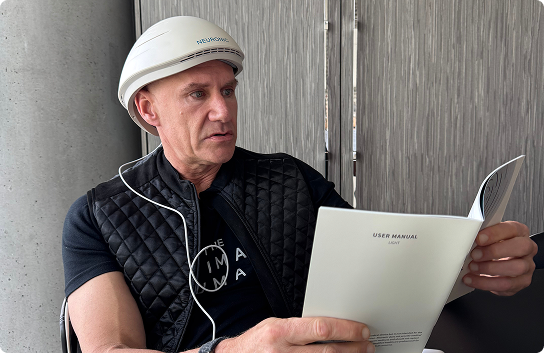
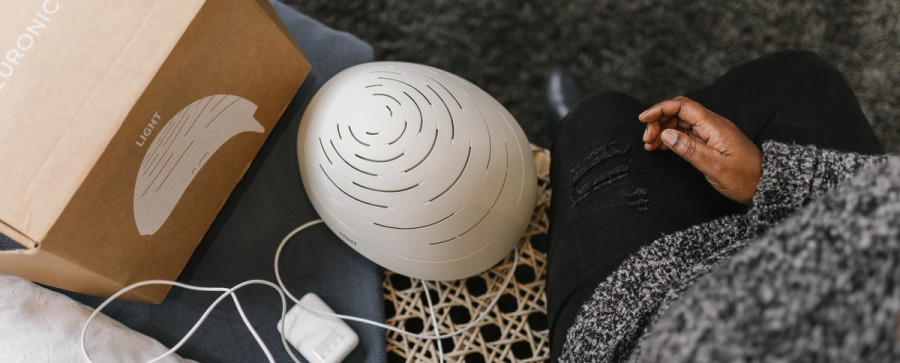
The daily helmet. App-controlled. Portable for up to 120 minutes. 300 LEDs. Built for continuous use.

Near-Infrared Light for the Brain
Neuronic is a daily light habit designed to support mental clarity, focus, and cognitive performance.

300+ Clinicians Recommend Neuronic for Their Clients


The Problem
References
Mechanism descriptions in the conditions table above are sourced from the following peer-reviewed studies. Numbers correspond to superscripts.
1. Eshaghi, E., Sadigh-Eteghad, S., Mohaddes, G. and Rasta, S.H. (2019), Transcranial photobiomodulation prevents anxiety and depression via changing serotonin and nitric oxide levels in brain of depression model mice: A study of three different doses of 810 nm laser. Lasers Surg. Med., 51: 634-642. https://doi.org/10.1002/lsm.23082
2. Zhang R, Zhou T, Samanta S, Luo Z, Li S, Xu H and Qu J (2022) Synergistic photobiomodulation with 808-nm and 1064-nm lasers to reduce the β-amyloid neurotoxicity in the in vitro Alzheimer's disease models. Front. Neuroimaging 1:903531. doi: 10.3389/fnimg.2022.903531
3. Fradkin Y, Anguera JA, Simon AJ, De Taboada L and Steingold E (2025) Transcranial photobiomodulation for reducing symptoms of autism spectrum disorder and modulating brain electrophysiology in children aged 2–7: an open-label study. Front. Child Adolesc. Psychiatry 4:1477839.doi: 10.3389/frcha.2025.1477839
4. Hamblin M. R. (2018). Photobiomodulation for traumatic brain injury and stroke. Journal of neuroscience research, 96(4), 731–743.https://doi.org/10.1002/jnr.24190
5. Inhibition of apoptosis and neuroprotective factors. Bicknell, B., Liebert, A., & Herkes, G. (2024). Parkinson's disease and photobiomodulation: potential for treatment. Journal of personalized medicine, 14(1), 112.https://doi.org/10.3390/jpm14010112
6. Michael Lundie, Mia Koch, Audrey Villanueva, Thuan Nguyen, Camille Garner, Mehak Satsangi, Pavan Advani, Daniel Krawczyk, Illuminating Cognitive Performance: Assessing the Role of Transcranial Photobiomodulation in Augmenting Cognition, Military Medicine, Volume 190, Issue Supplement_2, September/October 2025, Pages 456–463, https://doi.org/10.1093/milmed/usaf227
7. Zhao, H., Li, Y., Luo, T. et al. Preventing post-traumatic stress disorder (PTSD) in rats with pulsed 810 nm laser transcranial phototherapy. Transl Psychiatry 13, 281 (2023).https://doi.org/10.1038/s41398-023-02583-3
8. Valverde, A., Hamilton, C., Moro, C., Billeres, M., Magistretti, P., & Mitrofanis, J. (2023). Lights at night: does photobiomodulation improve sleep?. Neural regeneration research, 18(3), 474–477. https://doi.org/10.4103/1673-5374.350191
9. Lai, Q.-J., Chen, Y., Liu, L., Li, H.-M., Pan, M.-R., Wang, Y.-F., Niu, H.-J., & Qian, Q.-J. (2025). Repetitive transcranial photobiomodulation improves working memory and attention in adults with ADHD: A 4‑week follow‑up study. Photobiomodulation, Photomedicine, and Laser Surgery, 43(5), 190–197. https://doi.org/10.1089/photob.2025.0008
Looks like you haven’t added anything yet, let’s get you started!
Continue shopping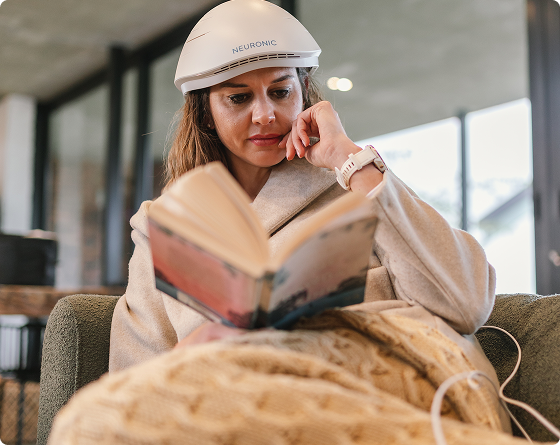
Designed to support sleep, sharpen memory, and take care of your overall brain health. Built for people who want simple, daily, evidence-backed brain support.
Home user stories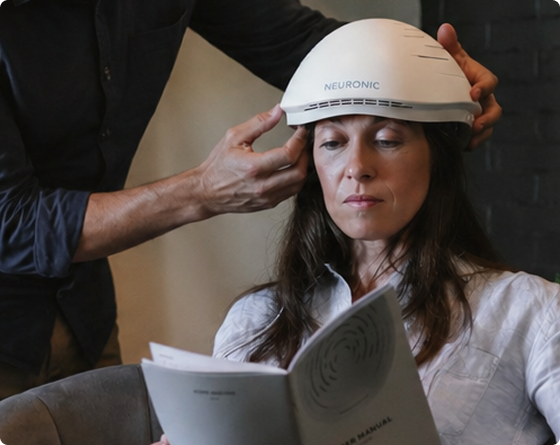
Standalone protocol or adjunct modality alongside neurofeedback, HBOT, and functional medicine. Faster response times, better protocol compliance, happier clients, stronger outcomes.
See resources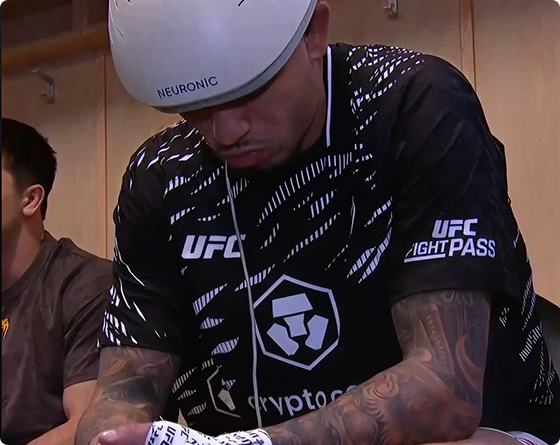
Recovery from training load. Mental stamina under stress. Cognitive sharpness on demand. Daily light therapy as part of the recovery routine.
Read athlete stories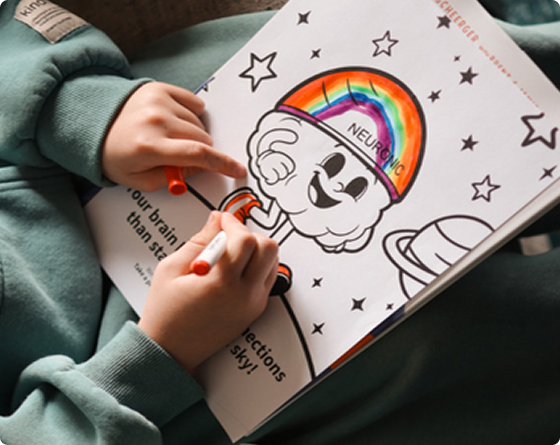
You know your child's brain runs differently. Neuronic is a gentle daily input the whole family can use. Just a few minutes a day may help support your child's focus, reduce behavioral challenges, and improve sleep quality.
Read about kids and PBM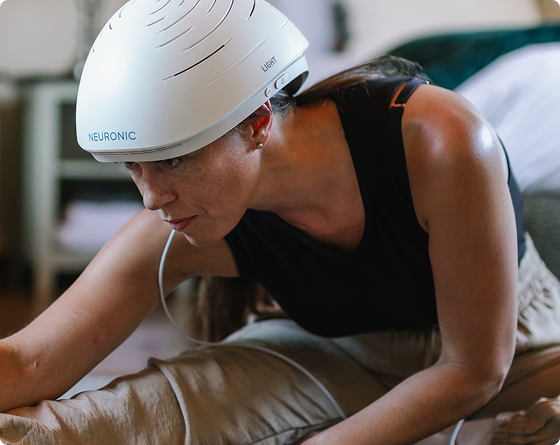
You optimize your body, your gut, your sleep. Your brain deserves the same care. 1070 nm penetration is the one input your stack hasn't been giving your neurons directly.
Read about biohacking & PBM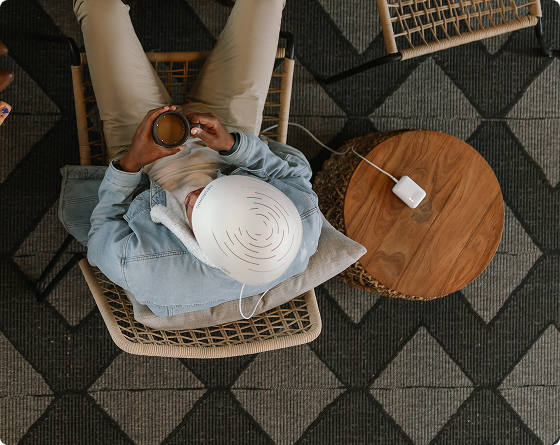
Caregivers show 63% higher mortality risk and report high emotional stress. Your nervous system needs care too. Same helmet, same protocol, just for the one giving care.
| Research | Mechanism |
|---|---|
 AnxietyStress regulation | Neurotransmitter Balance1Prefrontal Cortex & Hippocampus |
 Alzheimer's Disease & DementiaCognitive decline | Amyloid-β Clearance2Microglial Activation & Glymphatic Flow |
 Autism spectrum disorder (ASD)Neurodevelopmental support | Mitochondrial Dysfunction3Increased ATP generation |
 Traumatic Brain InjuryPost-impact recovery | May help reduce inflammation4Designed to support healing after injury |
 Parkinson'sMotor and dopaminergic decline | May help reduce cell death and damage5Inhibition of apoptosis and neuroprotective factors |
 Brain FogMental sluggishness | Cellular Energy Restoration6Faster reaction time and working memory |
 PTSDFear & stress response | Prefrontal Cellular Modulation7Suppresses c-fos in the cingulate and infralimbic cortices |
 DepressionMood support | Serotonin ↑1Regulation of hormones associated with depression |
 Insomnia & SleepSleep quality | Glymphatic Clearance8Lymphatic vessel relaxation via NO |
 ADHDAttention & focus | Supporting Underpowered Brain Regions9Working memory & sustained attention |
Neuronic devices are not intended for the diagnosis or prevention of any medical condition. Neuronic does not provide medical advice. Neuronic products are designed to support wellness and should not replace professional medical guidance. Always consult a qualified healthcare professional for your health or any specific medical concerns.
Based on a post-use cognitive assessment (n=20), the majority of users reported measurable improvements across key brain-fog-related functions.
of users reported improved working memory & spatial perception.
of users reported improved non-verbal memory and auditory perception.
of users reported improved divided attention and planning ability.
of users reported better visual short-term memory and focused attention.
$1,795.00excl. sales tax
The daily helmet. App-controlled. Portable for up to 120 minutes. 300 LEDs. Built for continuous use.
$3,395.00excl. sales tax
Clinical-grade power. 256 high-output LEDs. 4-quadrant control. Built for targeted protocols.

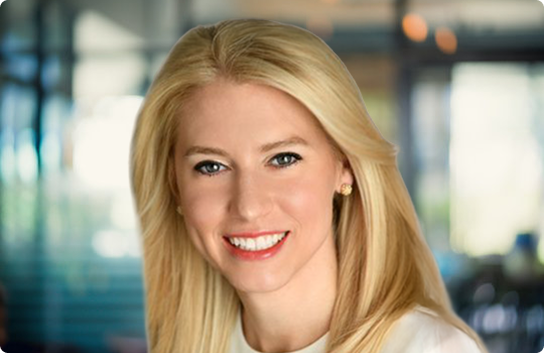
“You have nothing to lose. Light therapy is extremely safe. There's over 11,000 studies about photobiomodulation, the safety and the efficacy. Light can give us energy. Our brains need energy and oxygen and targeted light therapy can energize and oxygenate our brain.”
Erinn Askin MA OTR/L, PAMs
Clinician & Neurofeedback Specialist, OTEIM Founder
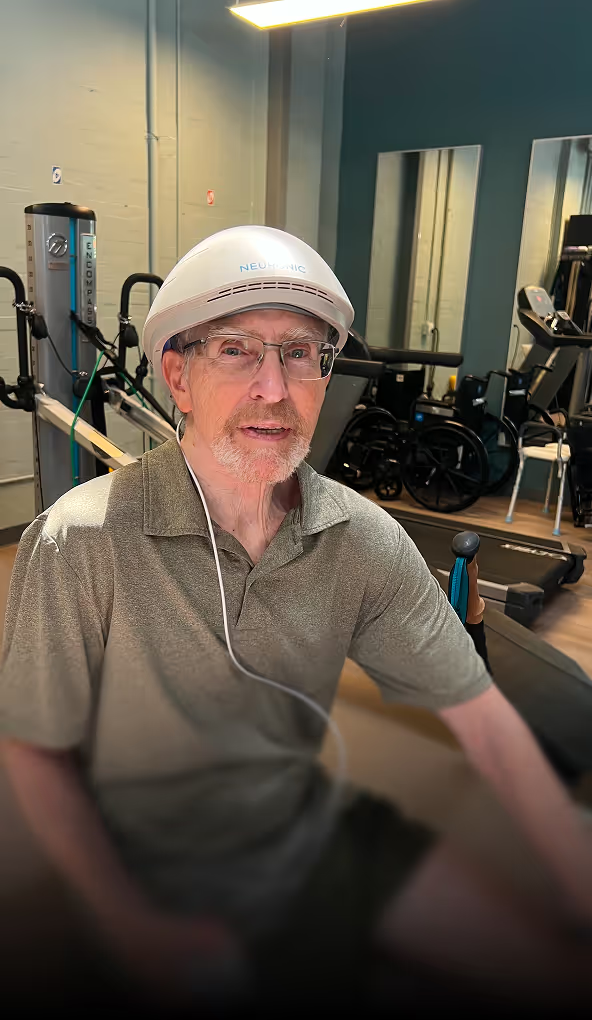
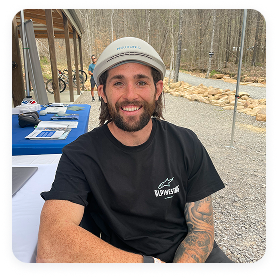
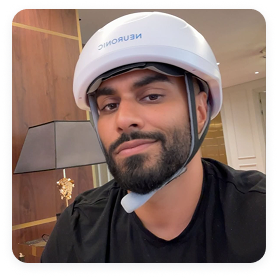
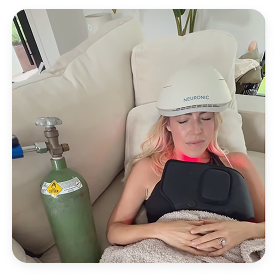
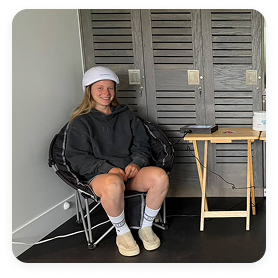
Home User
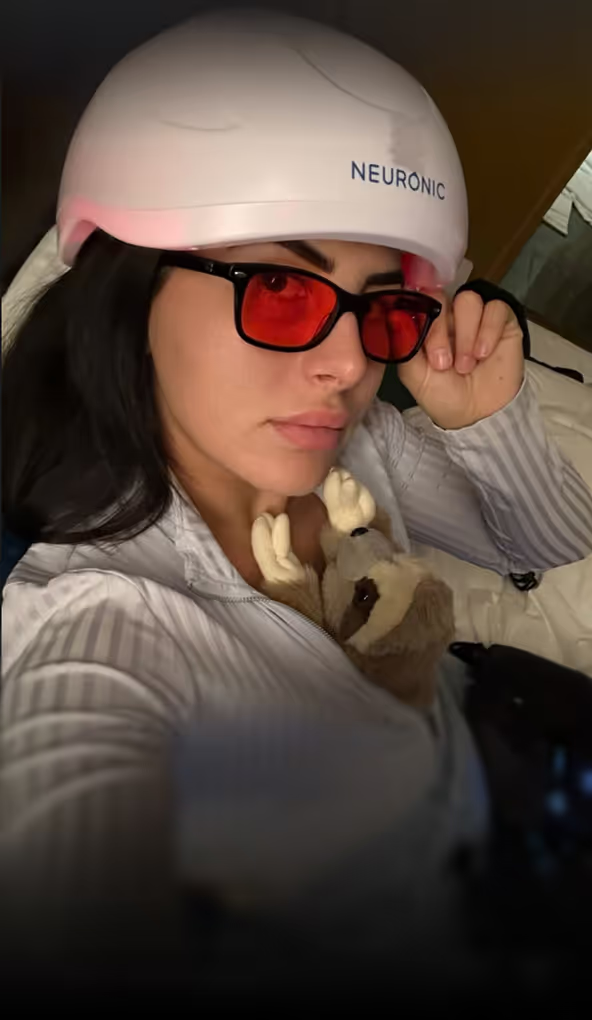
Professional Tennis Player
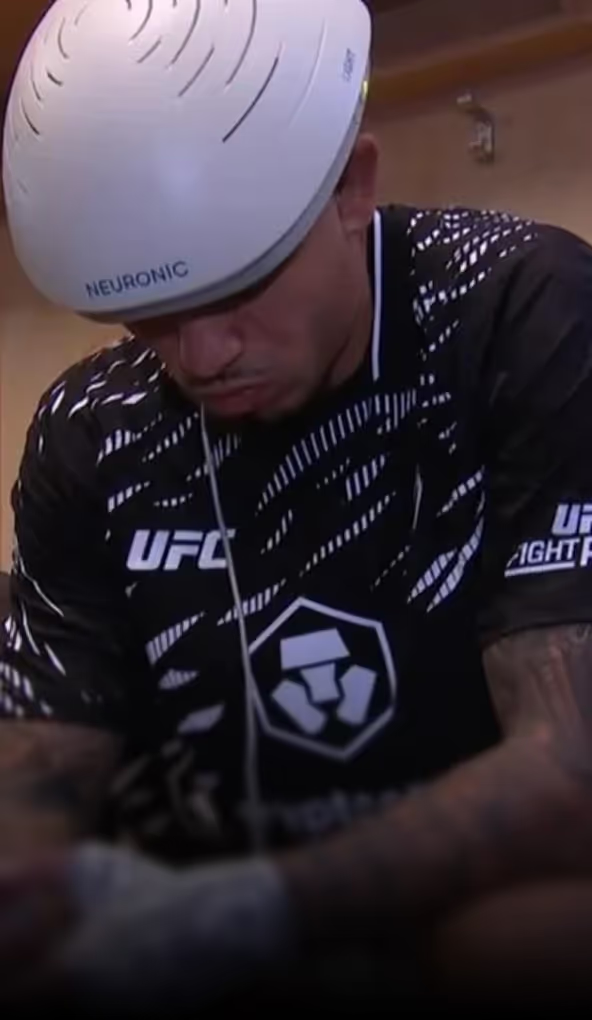
UFC Fighter
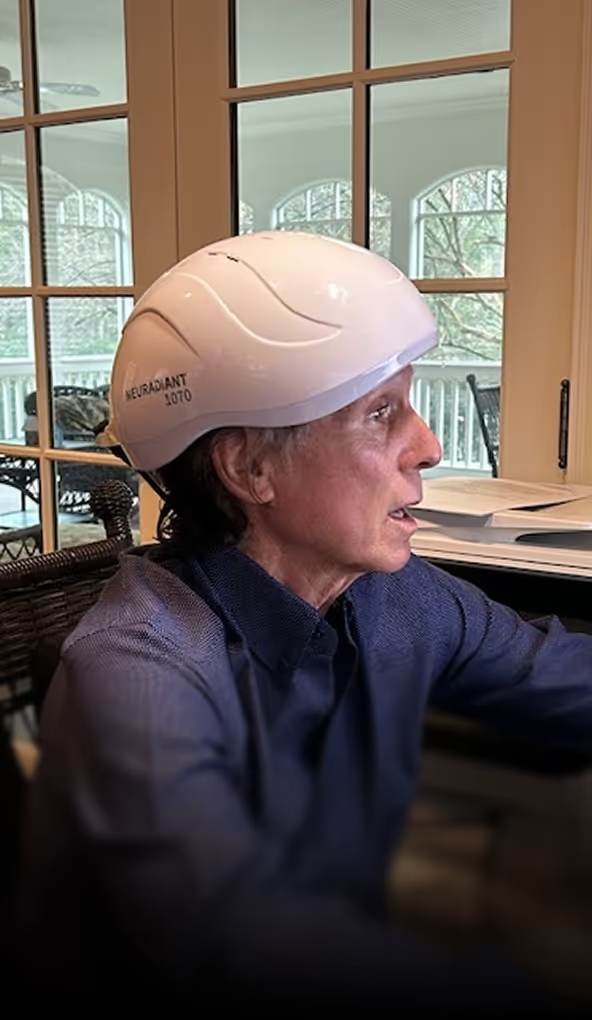
Home User
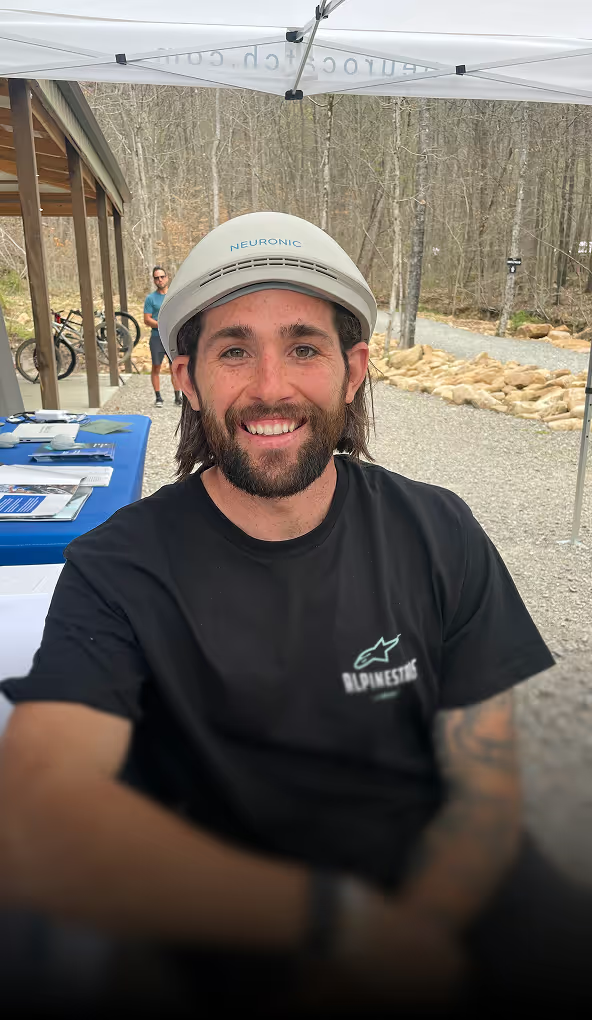
Red Bull Athlete
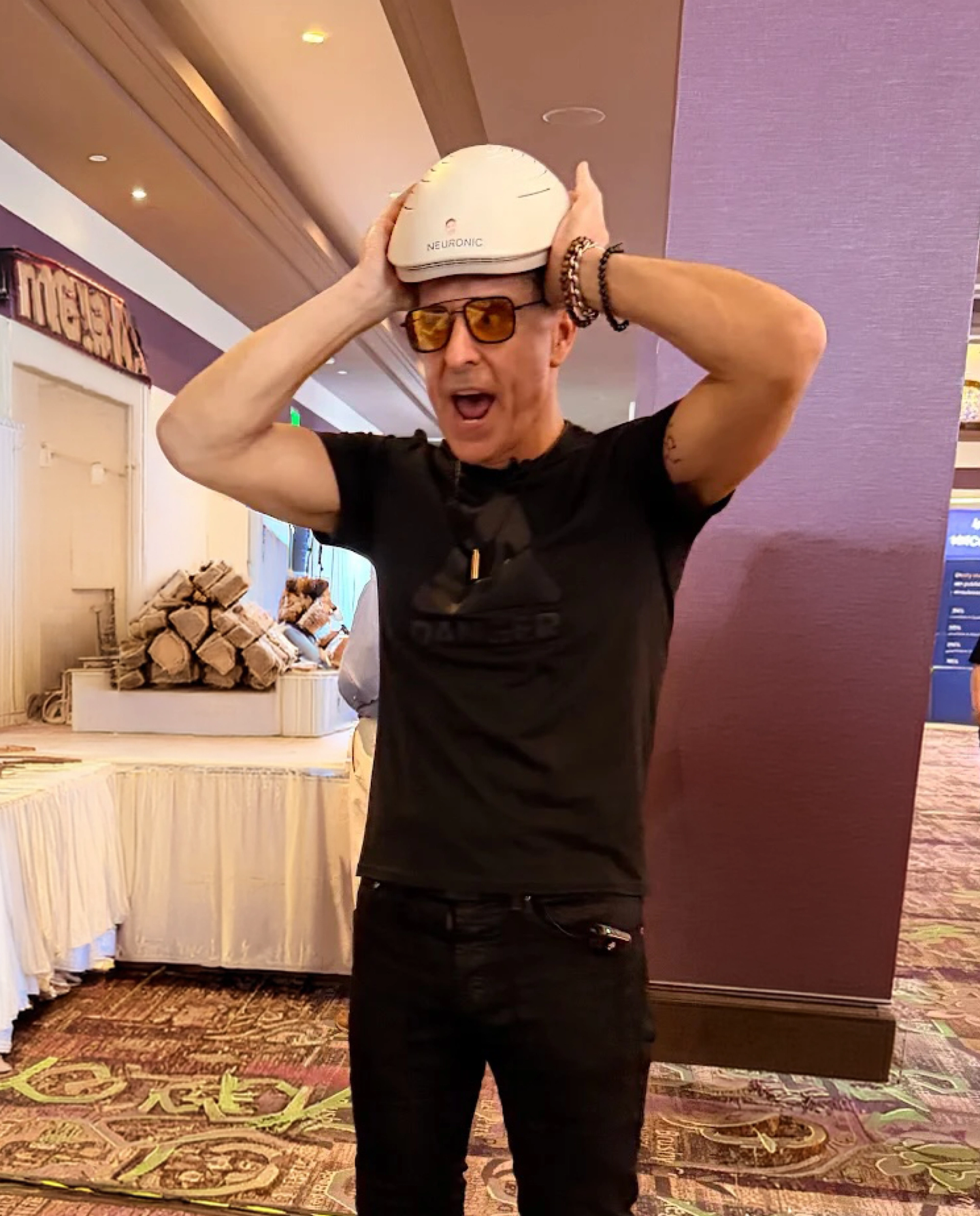
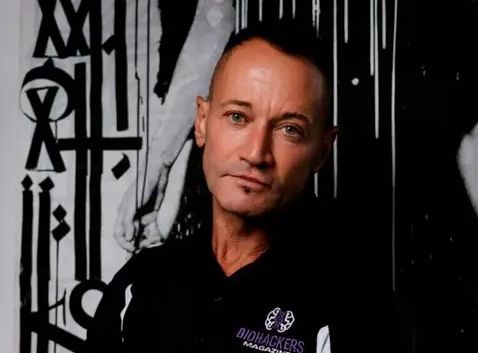
Biohacker & Entrepreneur
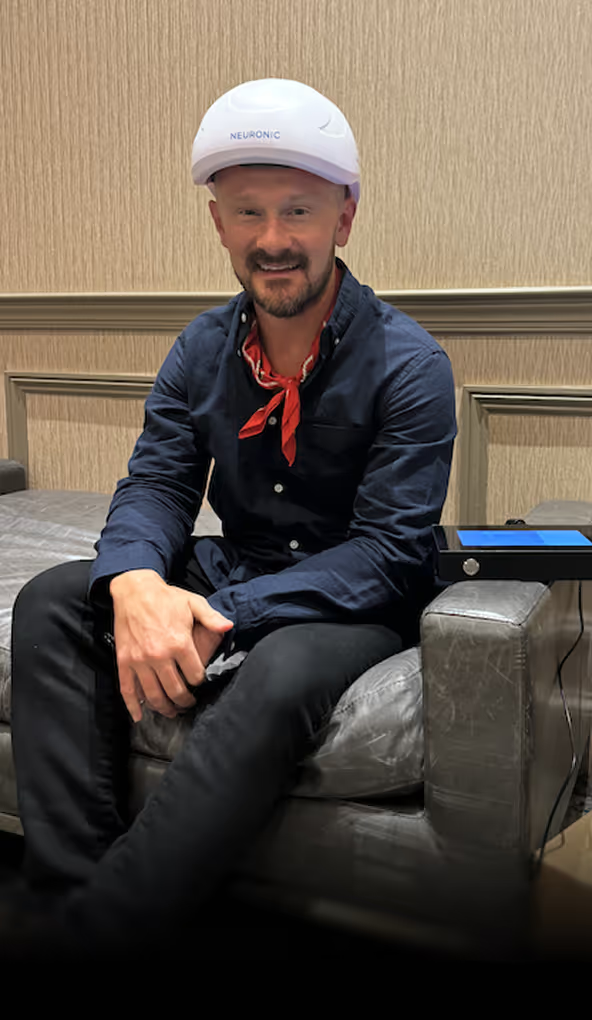
Functional Medicine Expert
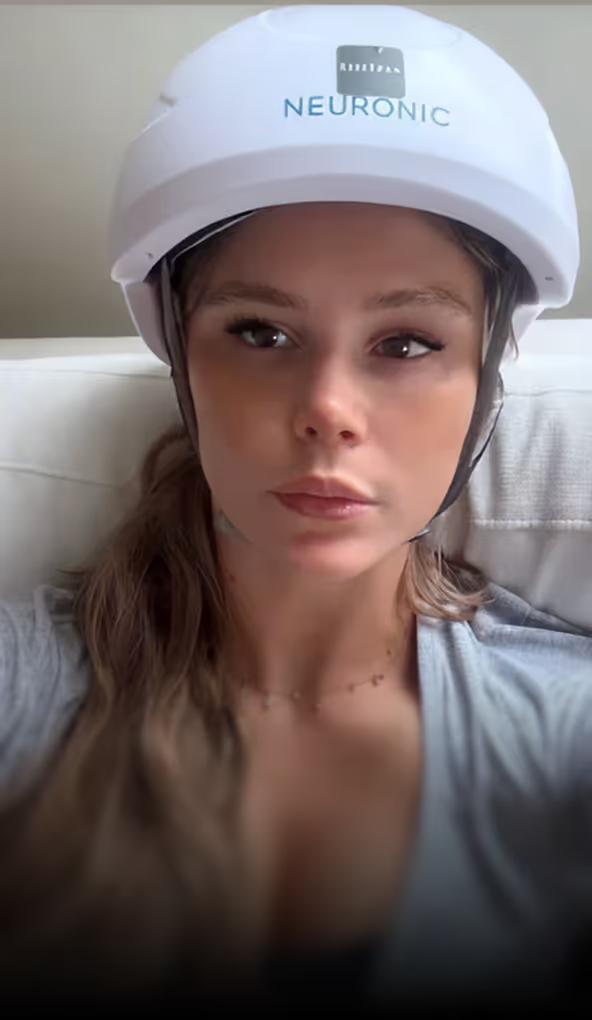
Actress | Starlight In "The Boys"
Mother & Son
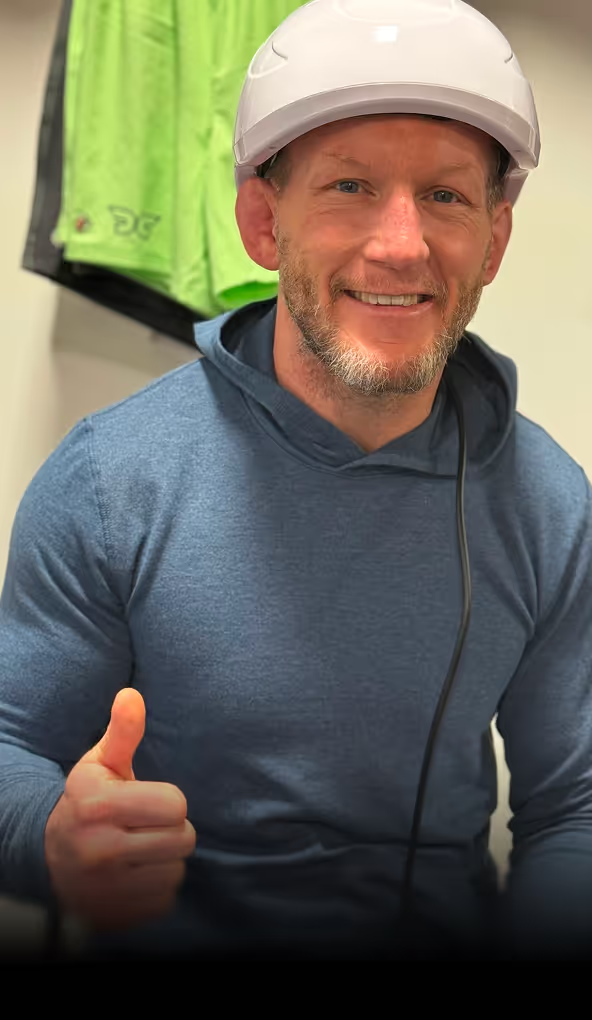
American Mixed Martial Artist
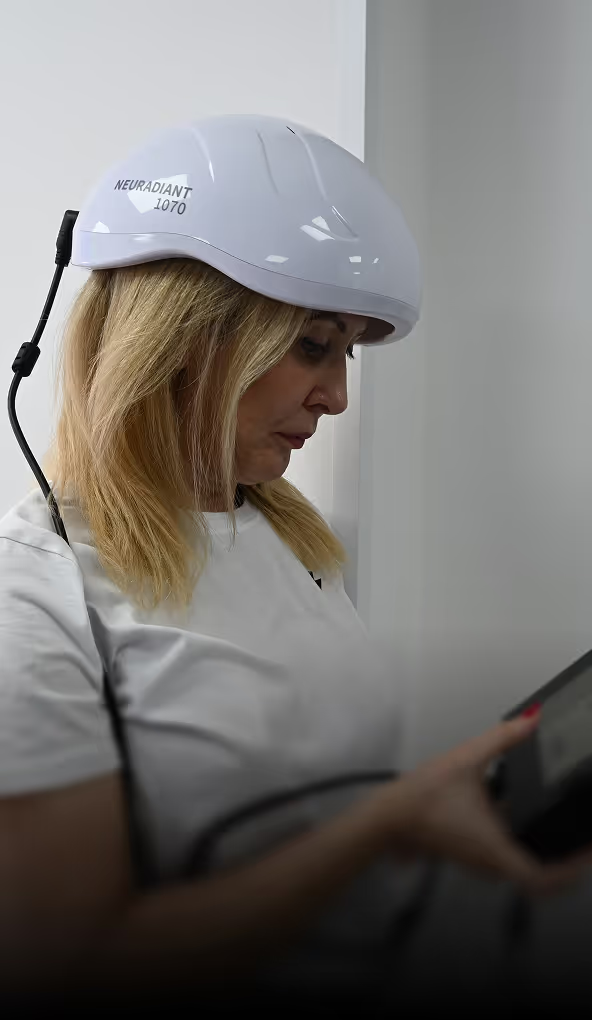
Clinic Owner
A Note from the Co-Founders
Years ago, I came across a video of a man whose Parkinson's symptoms had noticeably improved using light therapy. I was skeptical, but the research was real. Thousands of peer-reviewed publications existed. I wrote it down in my idea notebook and moved on.
Then Covid hit. Locked in my apartment, I opened that notebook again. The idea was still there, and so was the research, more of it than I remembered. I called my friend Marvin. We both saw the same potential. We started meeting weekly, and we never stopped.
Our mission was simple: build an affordable, effective helmet that people could use every day and actually feel a difference.
- Liam Pingree, Co-Founder, Neuronic
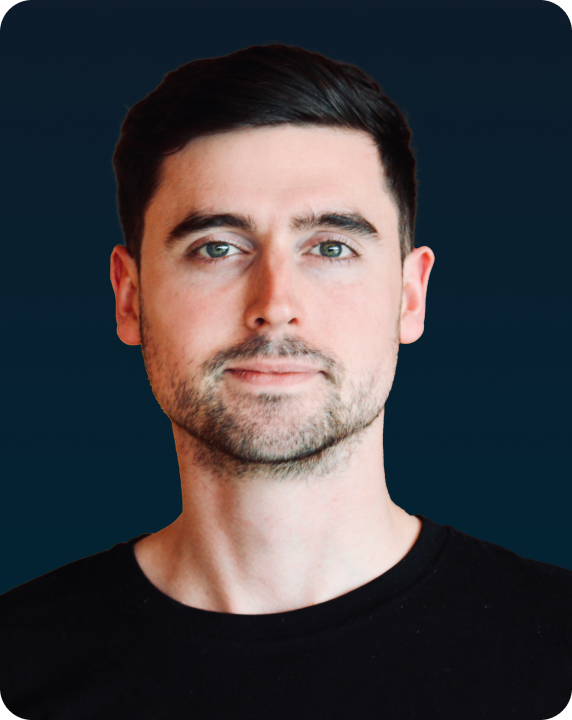
Liam PingreeCo-Founder
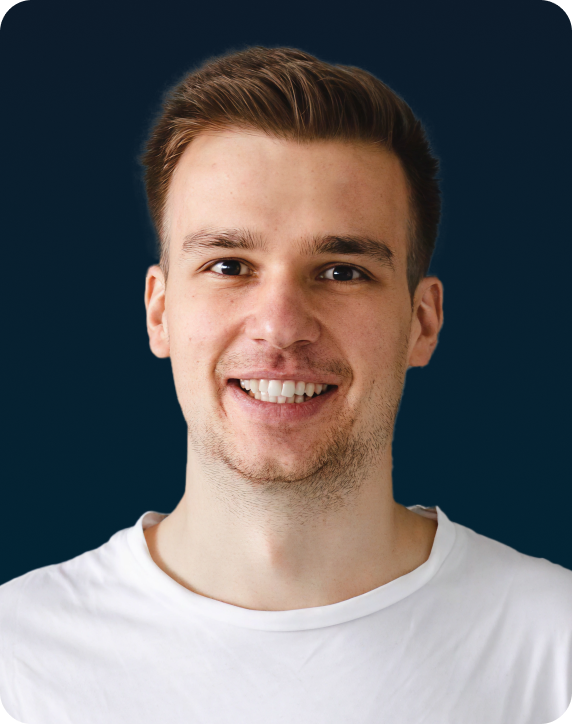
Marvin SchönauerCo-Founder
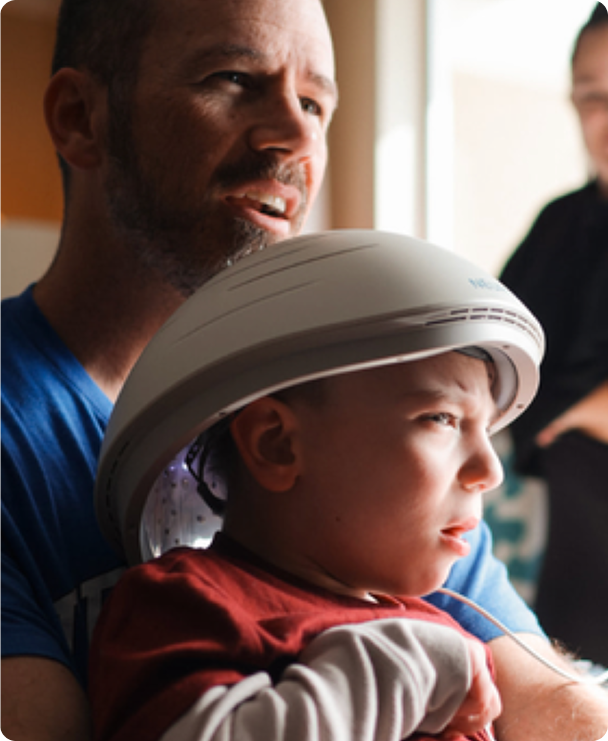
100% of profits go back into clinical research and product development working toward potential FDA clearance for medical approval. Every Neuronic device sold helps move that work forward.
3
Completed Studies
13
Ongoing Studies
17
Planned Studies
210+
Research Participants





Scientific Advisory Board
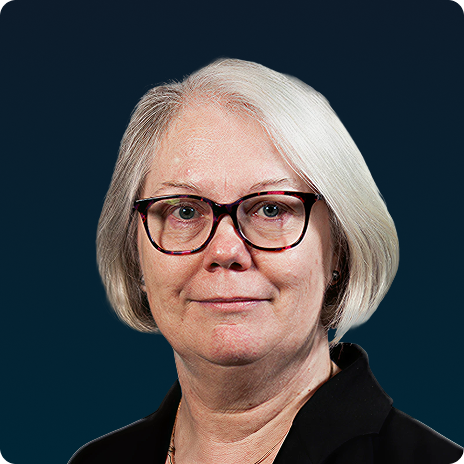
Principal Research Fellow. The first Australian to complete a PhD in the field of laser therapy; recognized by the European Medical Laser Association in 2002.




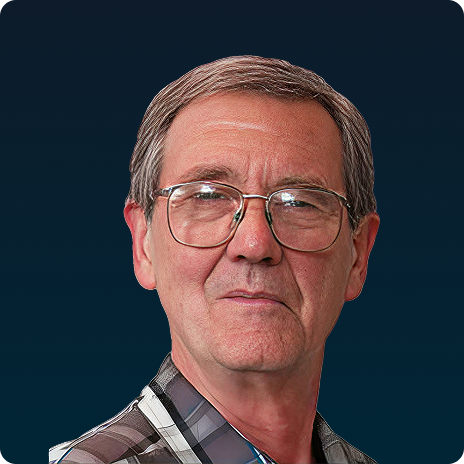
Distinguished Visiting Professor and Former Associate Professor of Harvard Medical School with over 780 peer-reviewed articles on photobiomodulation (PBM).


Neuronic qualifies for HSA and FSA reimbursement. Pay with pre-tax dollars at checkout.
Devices purchased on Neuronic’s website are covered by a 12-month warranty for manufacturing defects.
Our Neuronic LIGHT is FDA-listed as a medical device in the USA only, but it is not intended for the diagnosis, treatment, or prevention of any medical condition.
Free delivery to your door. 3–5 days in the US and Germany, 5–7 days anywhere else. Custom duties may apply.
Designed in Germany and the US, our products are built around precision engineering, rigorous standards, and thoughtful innovation.
We provide a 90-day trial period. Use the device every day. If you don't notice a difference, get up to a 100% refund (100% if you are in the United States, Canada, the United Kingdom, Australia, or the European Union; 80% everywhere else).