Contraindications for the Use of Transcranial Photobiomodulation
![[object Object]](https://cdn.sanity.io/images/h29o7kl4/staging/0c0476690b5e49f9a375deb663c4d52aa39fa8e2-352x351.heif?w=352&q=80&auto=format&fit=max)

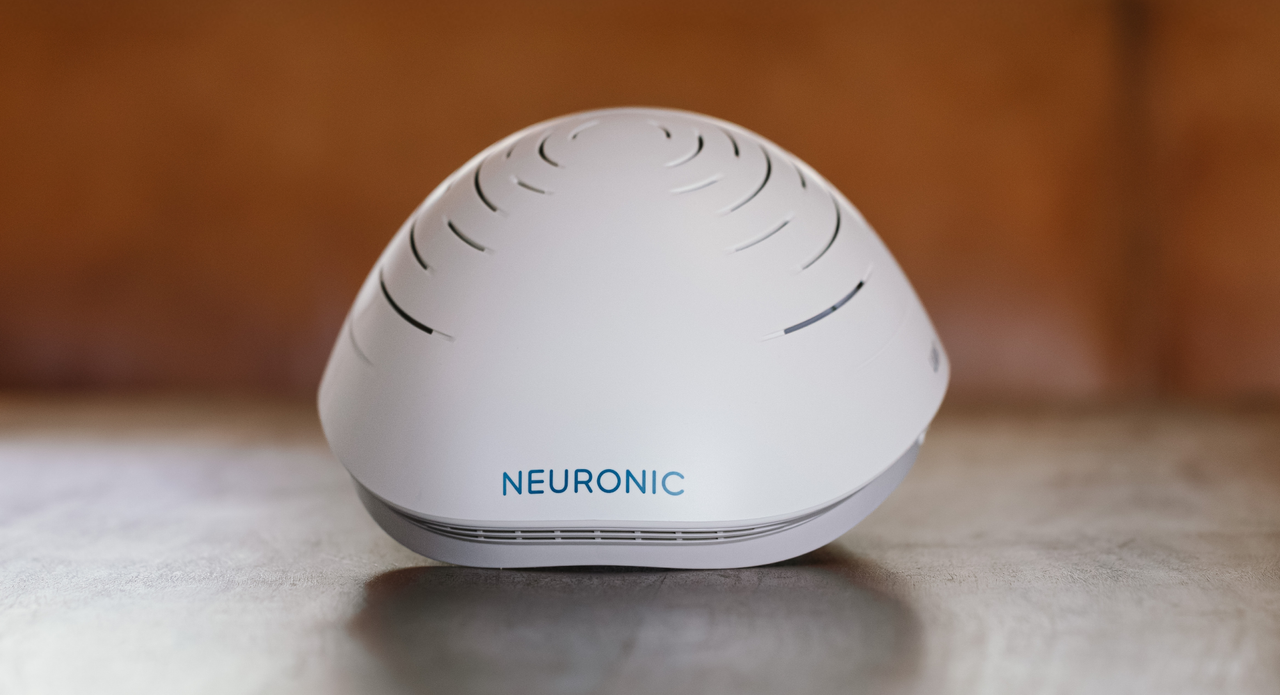
Neuronic helmets are therapeutic infrared lamps that emit energy in the near-infrared spectrum. They are designed for use on the head to promote energy and relaxation. The helmets are intended for general wellness purposes and should be used as directed in the user manual. They are not intended to diagnose or treat any disease or condition. Always consult a qualified healthcare provider regarding your specific health needs.
Transcranial photobiomodulation (tPBM) - the use of low-level near-infrared light to support brain health - has generated a lot of excitement in the wellness world, and for good reason. Research suggests this non-invasive approach can help stimulate the body's own cellular mechanisms, supporting blood flow, oxygenation, and cellular energy production in the brain (Hamblin, 2017).
But "non-invasive" doesn't mean "right for everyone." Like any health-adjacent intervention, tPBM comes with a set of conditions and circumstances that deserve a closer look before you begin.
Here's what we want every client to understand.
A Quick Note on What tPBM Is - and Isn't
Neuronic devices use LEDs to deliver a specific wavelength of near-infrared light (1070 nm) that's absorbed by cells in the body, including the brain. It's worth being upfront: Neuronic devices are not FDA-approved medical devices, and they are not intended to diagnose or treat any disease or medical condition. Consultations built around it are informational, not a substitute for care from a licensed physician.
That distinction matters for the contraindications below - they're not a checklist a doctor uses to approve or deny treatment. They're things you and your provider should talk through honestly so you can make an informed decision.
Conditions That May Rule Out tPBM
A few situations are considered clear contraindications, meaning tPBM likely isn't appropriate:
1. Metal in the Brain
Metal plates, implanted stimulation devices, or other metal objects in the brain can be a problem, since the corresponding area could heat up under light exposure. In some cases, the affected quadrant(s) of the helmet can simply be turned off to avoid the area - but this needs to be addressed before a session, not during one. The one exception to this rule is any implanted metal made of titanium, as it is highly resistant to heat and acts as a poor conductor. This means the metal will neither absorb or transmit heat like other metals do (YSTI, 2025).
2. Cancer, Malignant Tissue, Active Carcinoma, or Brain Tumors
The jury is still out on using PBM with cancer. The research on this topic is in the gray zone as to whether it supports the elimination of cancerous cells, or promotes their proliferation.
Research Showing PBM Increases Cancer Cell Growth
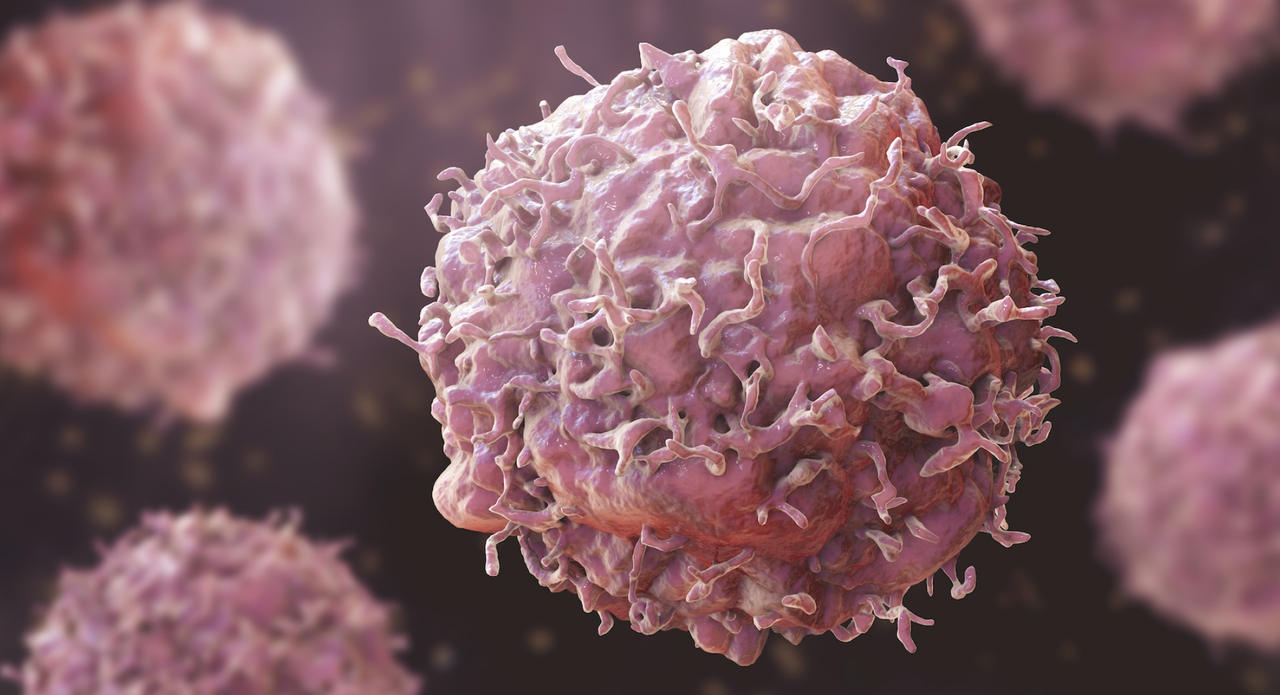
A 2018 study by Kara et al. investigated whether low level laser therapy (LLLT) using a 1064 nm Nd:YAG laser could stimulate proliferation in isolated cancer cells. Testing two cancer cell lines, the researchers applied laser irradiation at power outputs of 0.5, 1, 2, and 3 watts across one, two, and three sessions. Cell proliferation was then measured.
The Results
The results showed that proliferation rates were consistently higher in laser-treated cells than in controls, with the effect growing stronger as the number of applications increased - cells irradiated two or three times showed the greatest proliferation. The sweet spot for stimulating cancer cell growth appeared to be around 1–2 watts; notably, the 3-watt setting actually produced lower proliferation than the other power levels, suggesting a dose-dependent biphasic response. The authors concluded that LLLT increases cancer cell proliferation in a manner dependent on both power output and number of applications, and raised concern that laser therapy commonly used in dental practice could potentially activate precancerous cells or accelerate existing cancerous tissue in clinically undetected cases.
Research Showing PBM Stifles Cancer Cell Growth
A 2025 study published in the Journal of Biophotonics set out to investigate if using PBM would stimulate cancer cellular growth or inhibit it. The researchers exposed two cell lines - healthy murine muscle cells and human lung adenocarcinoma cells to 660 nm red LED and 830 nm near infrared laser light across a range of energy doses, then measured cell viability, ATP production, and reactive oxygen species (ROS).
The Results
The results drew a clear distinction between how normal and malignant cells responded. In the healthy muscle cells, PBM produced a classic biphasic response: moderate doses boosted viability, ATP production, and mitochondrial activity in a controlled and beneficial way. The cancer cells, however, behaved quite differently - at low to moderate NIR doses, their metabolic activity actually decreased, and ATP levels dropped, despite a sharp rise in ROS. The researchers interpreted this as a form of redox-driven cytostasis: the cancer cells, which have altered mitochondrial function and a more fragile oxidative balance, appear to be overwhelmed by the light-induced oxidative stress rather than energized by it, effectively restraining rather than promoting their growth.
The authors concluded that PBM, when delivered within defined therapeutic parameters, does not appear to promote cancer cell proliferation and may in fact induce a mild inhibitory effect on malignant cells - supporting the bioenergetic safety of PBM for clinical use.
PBM and Brain Tumors
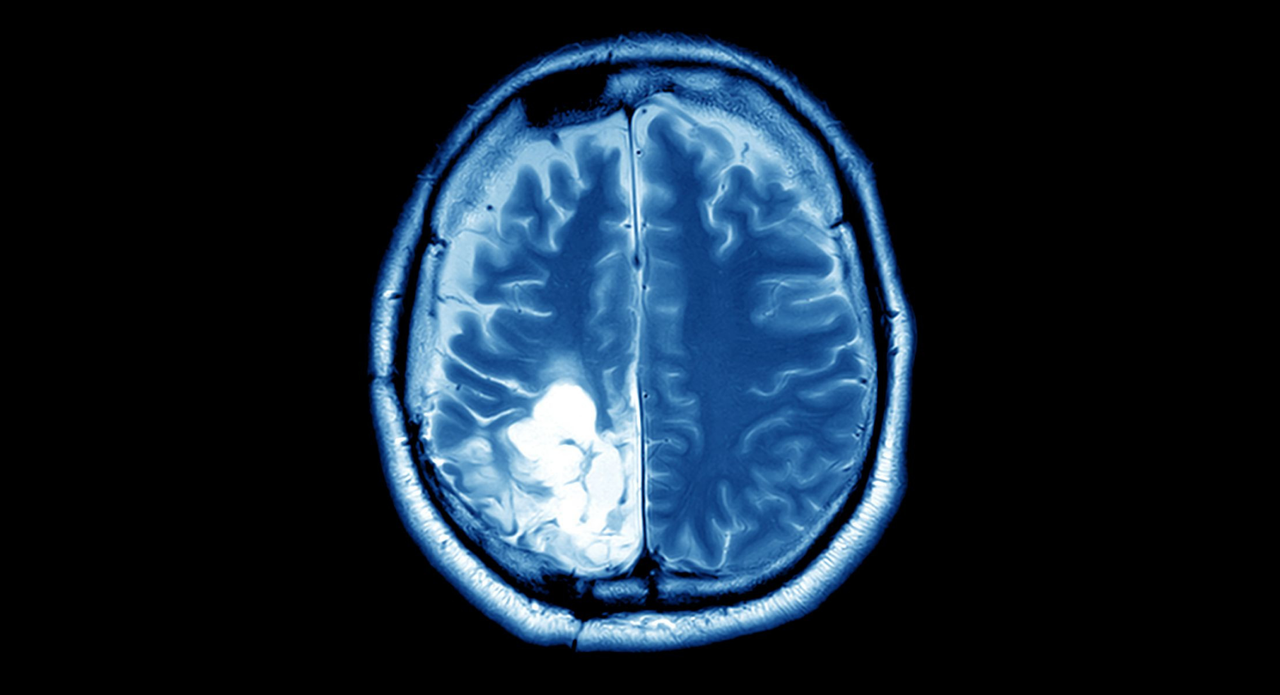
Using PBM with a brain tumor also runs the risk of encouraging vascularization of the tumor. Because PBM increases blood flow to an area, application of light to the area may encourage the creation of blood vessels around the tumor. This is concerning because tumors depend on blood supply to receive the oxygen and nutrients they need to grow and survive. A richer vascular network around a tumor can accelerate its growth and may make it harder to treat - which is why, in oncology, therapies that inhibit this process (known as anti-angiogenic treatments) are often a core part of cancer care. For this reason, applying PBM near cancerous or malignant tissue is considered a contraindication.
Though the research on cancer and PBM is still rather inconclusive, to ensure the safety of users, many PBM companies list cancer and brain tumours as a contraindication for using their devices.
Conditions That Call for Extra Caution
Other situations aren't automatic disqualifiers, but they haven't been extensively studied with tPBM - so we strongly recommend a conversation with a healthcare professional before moving forward if you have:
- Hyperthyroid conditions - The thyroid is already in an overactive state, and since tPBM stimulates cellular metabolism and blood flow, there is concern that it could further accelerate thyroid activity in ways that are not yet well understood. Even though tPBM wouldn’t apply directly to the thyroid gland, systemic effects may increase thyroid activity nonetheless.
- Pregnancy - The effects of tPBM on fetal development have not been studied, and out of an abundance of caution, any intervention that influences cellular energy production and blood flow near an unborn child warrants medical clearance before proceeding.
- Medications that cause light sensitivity - Certain medications alter how cells respond to light at a biological level, which could produce unpredictable reactions when combined with near-infrared light exposure.
- A history of hemorrhagic disorders, including hemorrhagic stroke - As a general guideline, use is considered safer after a clear CT scan, or once three months have passed since the bleed - but this should be confirmed with your provider, not assumed.
These aren't "wait and see" situations to navigate alone. A quick conversation with your physician can help you weigh the potential benefits against your specific health history.
The Bottom Line
tPBM is generally considered a gentle, non-invasive approach, and clinical research into its potential is promising. But "generally safe" still means doing your homework first. Before starting:
- Be upfront with your provider about any metal implants, devices, or history of brain-related conditions.
- Flag any hyperthyroid condition, pregnancy, light-sensitizing medications, or hemorrhagic history so it can be discussed.
- Know what mild overstimulation looks like, and don't hesitate to speak up if you experience it.
- Remember that consultations are informational, not medical advice - when in doubt, loop in a licensed healthcare provider.
References:
Aviña, A. E., Chen, E. Y., Chuang, K. M., Chang, C., Chang, C., & Yang, T. (2025). Safe mitochondrial activation through photobiomodulation: Distinct red and near-infrared responses in normal and malignant cells. Journal of Biophotonics, 19(3). https://doi.org/10.1002/jbio.202500555
Baoji Yongshengtai Titanium Industry Co., Ltd. (2025, December 11). Can titanium handle high heat? Yongshengtai. https://www.ystitanium.com/knowledge/can-titanium-handle-high-heat
Hamblin M. R. (2017). Mechanisms and applications of the anti-inflammatory effects of photobiomodulation. AIMS biophysics, 4(3), 337–361. https://doi.org/10.3934/biophy.2017.3.337
Kara, C., Selamet, H., Gökmenoğlu, C., & Kara, N. (2018). Low level laser therapy induces increased viability and proliferation in isolated cancer cells. Cell proliferation, 51(2), e12417. https://doi.org/10.1111/cpr.12417

Subscribe for insights, tips, offers & more.
By signing up, you accept our privacy policy. Your personal data will be processed so that we can contact you about our products. Read our Privacy Policy for more information.