Does Light Therapy Help You Sleep Better? — Near-Infrared Light Therapy for Sleep & Insomnia

By Matthew Fulton — independent contributor, sleep educator, and founder of Sleep Alchemy
Light Into & Beyond the Brain: An Introduction
The subject of light is so often considered a paradox when it comes to sleep. Natural light in the morning is vital, while artificial light in the evenings has become the boogeyman of insomnia. This easily becomes confusing—light is great one moment, but an enemy the next?
As light photons first pass through the cornea and land on the retina, something astonishing begins to unfold. Depending on the length and intensity of the actual wave of the light, the eye translates this as both energy and information for the brain.
From the moment we wake up to when we go to bed—and sometimes even through closed eyelids—light is a vital signal that communicates things to us on the cellular level.
A simple stream of light is converted into a biochemical cascade of signals—a conversation through our neurons—reaching deep into the brain’s timing systems. As the rods in our eyes handle low-light sensitivity, the cones parse colour, and together they play an almost musical composition for the brain to decode as electrical impulses.
From there, the message travels beyond vision itself, telling the body whether to wake, wind down, or hold steady in the rhythm of the day. Not only in the eye itself, the entire body is conducted according to light signals and rhythms, choosing its moments for increasing its energy output, and knowing how to regulate its metabolic rhythms for optimal health and function.
But let’s cut to the chase here. How is light—especially when it’s therapeutically targeted—helping or hindering sleep?
I’d like to take you on a short journey today—to understand not just some of the important differences between blue light, red light, and near-infrared light, but to invite you into my world for a moment to stand in joint amazement at how light can affect us on the cellular level—and how that ultimately affects our health and sleep.
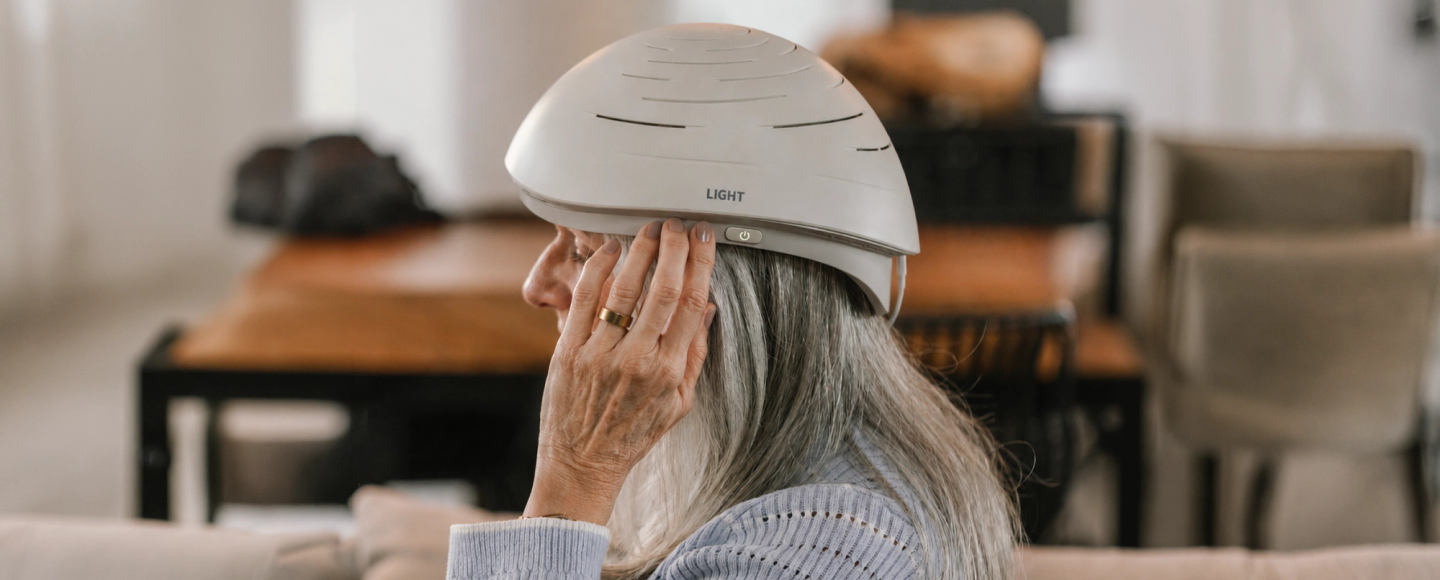
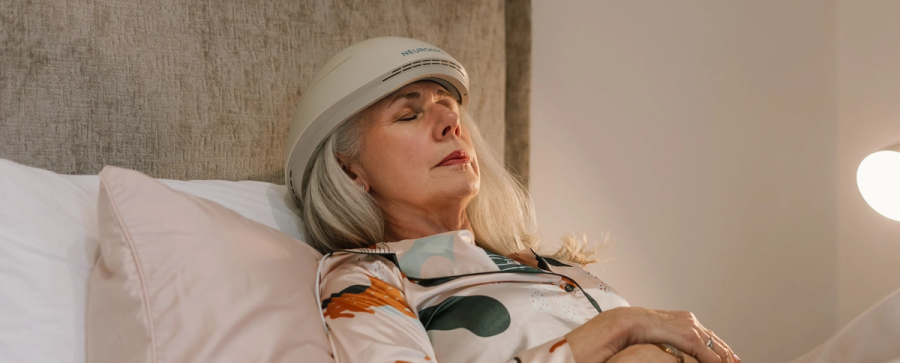
In the spotlight of all this is the discussion around near-infrared light therapy devices like those from Neuronic. We’ll be exploring what this light is, what it’s doing to us, and how it has the potential to play a powerful role in reclaiming natural, healthy, effortless sleep.
I’m writing this today as someone who has spent the past six years swimming through sleep research—not just out of academic interest, but as part of a personal journey to solve my own sleep issues. But what started out as solving the puzzle of insomnia, over time became something of a professional rabbit hole. In slowly reclaiming my sleep, I became all the more awed and hypnotised by the incredible complexity and beauty of the human brain.
Sleep, it seemed, wasn’t as simple as I’d thought.
As a former insomniac, author of sleep education materials, and creator of the Sleep Alchemy platform, I’ve dedicated much of my work to understanding why so many people struggle with sleep in the modern world—and more importantly, what actually helps.
As a quick disclaimer, I’m not being paid to write this piece, nor am I affiliated with Neuronic in any formal capacity. I’m contributing today because I genuinely believe in the technology, the incredible science behind it, and the broader potential it holds for improving lives—perhaps society at large.
Over the years, I’ve researched extensively the biology of sleep, what insomnia actually is, and how it comes to exist as the symptoms we experience so persistently. For me, it’s been a fascinating journey, but exploring the science on how light therapy works has undeniably been one of the highlights. What I found in the research around red light and near-infrared therapy was not just interesting—it was profoundly game-changing.
In today’s journey, you might hear some big words like neuroinflammation, mitochondrial dysfunction, and photobiomodulation. Don’t worry; we’ll try not to make a headache out of it. However, if there’s a chance you don’t make it to the end of this article, here’s the crux of it:
For those living with insomnia, especially long-term or treatment-resistant cases, light therapy deserves serious attention. In my view, it stands among the most promising, safest, and least invasive therapeutic approaches available today. For many people, it may be the first meaningful step toward restoring healthy sleep.
So, What Is Insomnia? — Causes and Symptoms
Before exploring how light therapy supports us in the context of sleep, it helps to define what the problem actually is.
What is insomnia?
At its core, insomnia is the repeated difficulty in falling asleep, staying asleep, or waking too early and then being unable to get back to sleep. Really, it’s any persisting sleep problem that consists of being awake when you don’t want to be.
This can happen for any number of reasons, from metabolic irregularity to neural inflammation—some form of disorder in our biology that won’t let the brain and nervous system properly relax.
The effect of this, unquestionably, is a major cascade of biological effects. Even small amounts of sleep deprivation can take a toll on our mental function, changing the balance of chemicals in our brain, and even extending to social behaviour.
Over time, as we experience insomnia, our brain literally adapts. The structure physically changes to alter its sensitivity levels—including to itself. But in what we call chronic insomnia—that is, when someone has debilitating or long-lasting sleep difficulties—it’s often clinically observed that either our metabolism has become dysregulated, or we have heightened inflammatory markers in our brain or spinal cord.
While those suffering with sleep issues should not jump to self-diagnostic conclusions too quickly, these are two important symptoms to take note of, because it just so happens that both of these can be supported with the benefits of light therapy.
It’s eye-opening to learn the mechanisms behind something as everyday as sleep, seeing it as a clever orchestration of electrical signalling—dependent on tiny molecules floating through our brain. And when you zoom in even further, you learn about how light at some wavelengths can penetrate through skin and bone to effectively repair the little motors of your brain cells we call mitochondria, which we’ll explore soon.
The Biological Causes of Chronic Insomnia
In many chronic cases, insomnia is not simply a “sleep problem”. It reflects deeper disruptions in how the brain and body regulate energy, stress, and recovery (Riemann et al., 2010). While psychology is no doubt a factor that plays into this, ongoing sleep issues will inevitably affect us on the physiological level. And while light therapy alone may not always be the magic bullet, there are symptoms and imbalances that targeted light can address directly, quickly, and non-invasively.
That’s where light therapy becomes especially relevant.
What Color Light Is Best for Sleep? Does Red Light Actually Help You Sleep Better?
This is one of the most common questions people ask, and it has both a simple and a complex answer.
The simple answer is that warm-spectrum light—like orange or red light—is widely considered the best light color for sleep. However, the red light therapy sleep experts talk about tends to be something a little more precise.
How Different Light Wavelengths Affect Sleep
As light exists as a spectrum of frequencies, we can no longer see light if its frequency is higher or lower than our thin band of vision. While a human hair is approximately 50,000 to 100,000 nanometres (nm) wide, the human eye can only see light when it is between approximately 380 and 750 nm. Any shorter or longer, and it fades out beyond perception. The difference between blue and green, for example, is only about 50 nm. Therefore, the stark visual difference between the vibrance of a lush forest and a bright blue sky is only the teeniest, tiniest change in how stretched-out the light is.
The light we see in a rainbow is from a single source, split into its various colours as the bow arches through the sky. Its outer red edge bends further, at a longer distance, than the inner violet edge. The difference between the two colours—and everything in between—is only how the light flexes or compresses at different lengths as it arches through the sky. In fact, the rainbow is only as wide as it is because if the light compresses or flexes too far, it becomes invisible to our human eyes.
In fact, if light waves are heavily compressed and shortened below purple and violet, they move into the invisible ultraviolet part of the spectrum and then into X-ray. On the other side, if light is stretched out further than it is at visible red, it becomes infrared and then eventually moves into microwave and radio frequencies. In the application of using this for cellular therapy, this helps us to understand that light is really just electromagnetic energy that can be directed and transferred.
Even when light is invisible to us, it still exists in the world around us, and can interact with our body in different ways. Just by shortening or lengthening the light that penetrates our skin or eyes, we can adjust what benefits or effects we reap from targeted therapeutic use. From treating acne and psoriasis to muscle recovery, wound healing, and beyond, our cells are highly responsive to unique signals and frequencies (Zhao et al., 2012).
Red Light vs Blue Light for Sleep
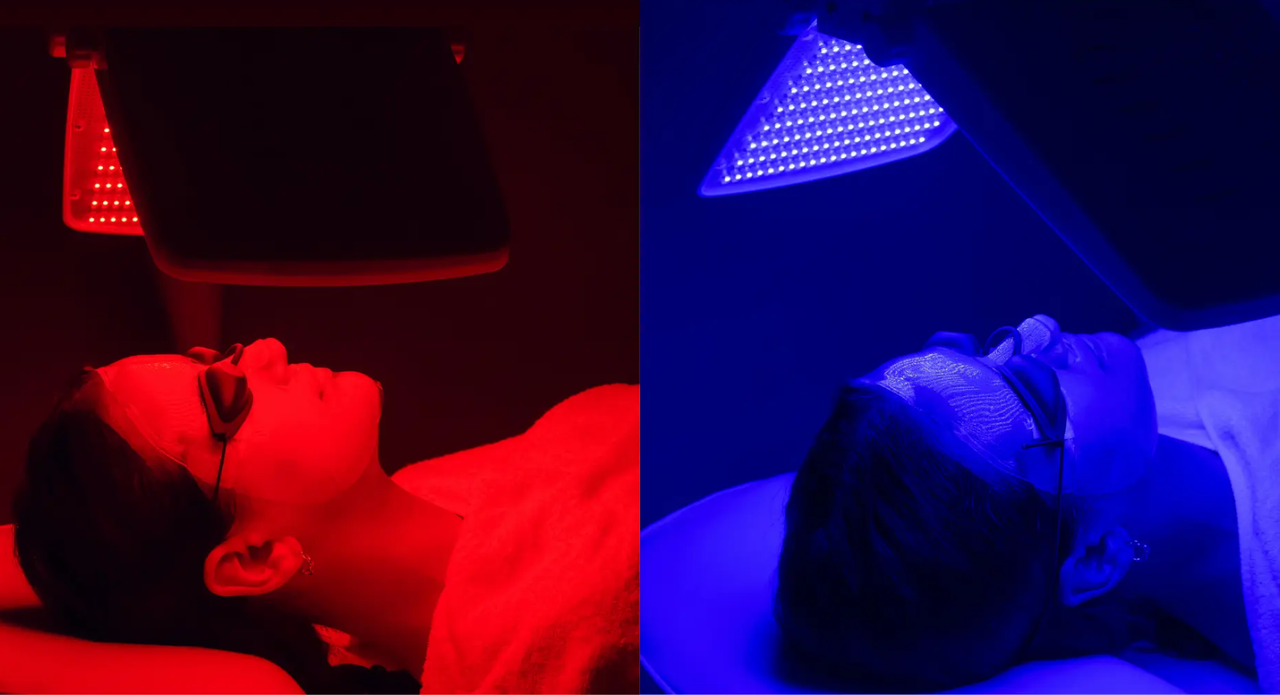
And when it comes to getting to sleep, current evidence suggests that the longer red wavelengths have a minimal suppressive effect on melatonin compared with shorter wavelengths, and may even support the body in producing this sleep hormone (Brainard et al., 2001). In contrast, the science tells us that light from the blue and green parts of the visible light spectrum will tell the brain to turn off its melatonin taps (Thapan et al., 2001).
These aren’t ‘bad’ forms of light necessarily, but they do send specific signals to the brain that are associated with daytime and wakefulness. These wakeful colours of the light spectrum also hide inside bright white lights, LEDs, and fluorescent bulbs, which are best traded out for warmer colours and softer intensity in the evening.
Does Red Light Before Bed Improve Sleep?
This is why red light before bed has gained increasing popularity as a relaxation and recovery ritual. But when it’s stretched out even further—into near-infrared lengths—it has the ability to penetrate deeper into the body—through the hair and skin, into flesh and blood, to rejuvenate our cells and nerves below the surface. This particular slice of the light spectrum has a fascinating interaction with our cells’ mitochondria—especially those that have become dysfunctional in how they metabolise oxygen and produce energy for the body (Karu, 1999).
So, when people ask is red light good for sleep, the answer is increasingly supported by both anecdotal reports and emerging research:
Yes, it can be—and often is.
But not all light therapy is created equal, and simply switching your white bulbs for red ones isn’t going to have nearly the same effect as red light therapy for sleep benefits. The best red light for sleep is that which is directed and targeted, using a specific wavelength on a specific part of the body—like the scalp. How to use light therapy for sleep does depend on the individual and what kind of device you have, but if it is the brain specifically that has been dysregulated or overstimulated, then a head-targeting device like Neuronic’s are expected to best support relief of insomnia symptoms.
For many if not most of us, light therapy is expected to have generally supportive and measurable benefits. If you’ve already experienced ongoing sleep issues, there’s a high chance you have biological symptoms and imbalances that can be gently and gradually corrected with the help of red-light therapy.
When consistently using red light before bed, benefits may include:
- Faster relaxation in the evening
- Improved sleep onset (fall asleep faster)
- Reduced night-time hyperarousal and irritability
- Deeper sleep
- More stable mood and energy the next day
If you really want to know for your particular situation, does red light help you sleep better?—the honest answer is it can never be guaranteed, but the science creates a very compelling picture for improved cellular function, brain oxygenation, and biological markers across the board—particularly when sleep issues are linked to stress, inflammation, or nervous system imbalance (Irwin & Opp, 2017).
This is why red-light therapy insomnia interventions are gaining traction among wellness professionals, clinicians, and everyday users alike. And yet, there’s an important distinction to make here.
Red Light Therapy for Sleep: Why and How It Works
The conversation around red light therapy for sleep often starts with circadian rhythm support—but its effects go much deeper.
At the surface level, red wavelengths help create an evening-friendly environment—being recognised by our brain as like light from the setting sun. This alone can improve pre-sleep relaxation—our evolutionary biology recognising a familiar evening routine. But a common question is whether insomnia symptoms immediately or significantly reduce.
This can depend on the insomnia causes and how the technology is used. And while transcranial photobiomodulation (tPBM) is still being explored as a mainstream treatment directly for insomnia, across over 10,000 studies so far on this therapy, incredibly promising improvements have been observed for improving symptoms in conditions like autism, ADHD, PTSD, anxiety, brain fog, brain injury, and Alzheimer’s that often overlap with, or contribute to, those of chronic insomnia (Barrett & Gonzalez-Lima, 2013; Naeser et al., 2016; Woźniak-Mitał et al., 2026; Gonzalez-Lima & Barrett, 2014).
But to answer questions on effectiveness properly, first it can help to understand what’s going on beneath the surface.
So, how does red light therapy work on a deeper biological level?
The ‘simple’ answer is that these specific wavelengths of light help to repair and recalibrate our mitochondria—the little motors inside our cells (Wong-Riley et al., 2005). The very concept of photobiomodulation (see, I told you we’d get to these words) works by a particular length of light waves changing the behaviour of our biology. How cool is that?
Red Light Therapy and Mitochondrial Function
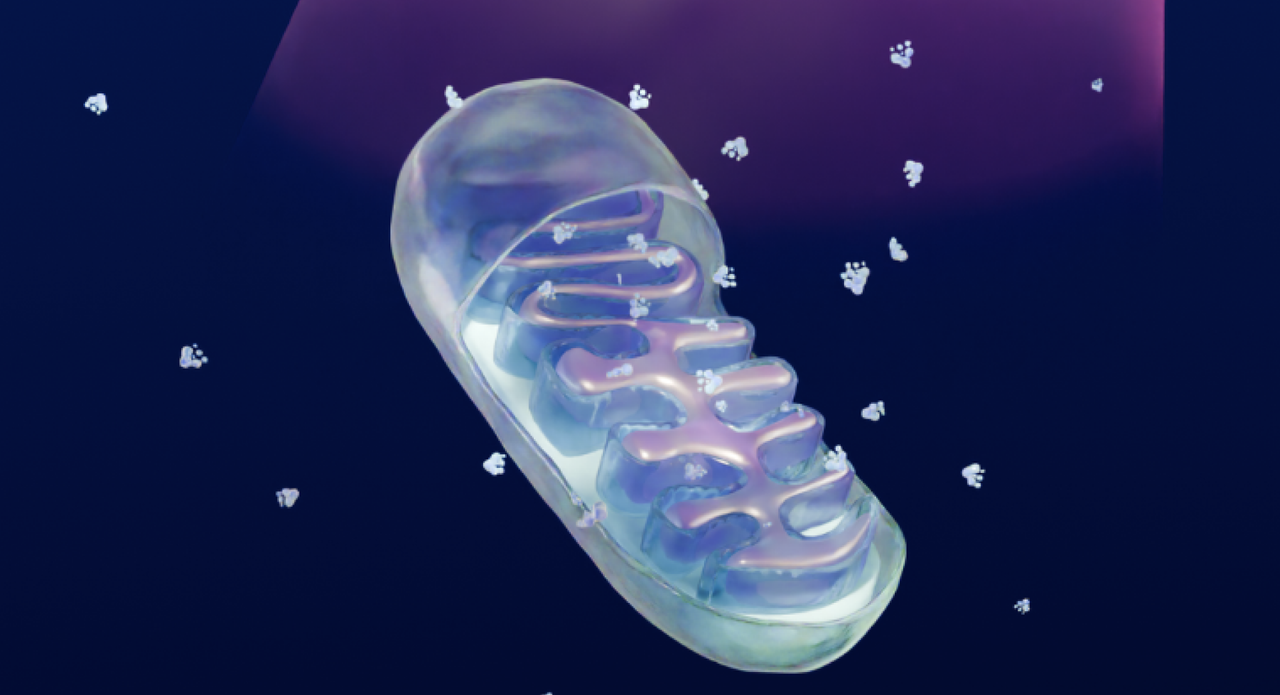
If you’re unfamiliar with what mitochondria are and why they’re so important for sleep, we could understand these as the tiny little energy generators or ‘powerhouses’ that sit inside of each one of our cells—sometimes in the thousands. They take chemical fuels like sugar and fat, and convert them into another chemical called ATP (adenosine triphosphate) that the cells can actually use to function. Part of this process includes using oxygen molecules—which it must do efficiently, or this oxygen actually becomes problematic for the body.
What you might have heard of as ‘oxidative stress’—often combatted with ‘antioxidants’—is basically stress on the cellular level from too much build-up of chemically reactive oxygen by-products, which can create inflammation. In turn, this inflammation creates a whole host of problems—like dysfunctions and imbalances in the body. If there’s enough of this oxidative stress in certain parts of the body, like the brain, spine, or nervous system, it can make it extremely difficult for us to relax and carry out basic biological functions like sleep.
So how does red light fix these problems?
Light becomes red when it has a certain wavelength—basically, light that is ‘short’ and ‘slow’ (lower frequency). Because of these qualities, it has the ability to penetrate a certain distance into the body, diffusing among the water in our cells, and interacting with our mitochondria.
If you’ve heard of photons, the view of quantum physics will describe these as “discrete packets of energy”. As red light penetrates the cell, these photons are believed to interact with our mitochondria—our little cellular oxygen motors—and get them back into a proper work rhythm. If these mitochondria have been damaged or have become dysfunctional in some way, their ability to metabolise oxygen becomes sloppy and inflammation often follows. However, intervention with red or near-infrared light can actually help them to reclaim their proper efficiency and effectiveness in how they’re using the oxygen.
Simply stated, it can help our cells ‘breathe’ better—especially if they’ve been suffocating or the cellular equivalent of hyperventilating. Not only does this get them back on track in their small part in the body’s wider functions, but it helps to undo some of the damage that has been caused in the meantime.
And while ongoing sleep issues may have worsened conditions, it’s possible that other contributors from diet or lifestyle have kickstarted the cycle. Inflammation is a big one, but it could also be the rhythms of your body and brain that have thrown things into disorder.
Can Red Light Therapy Reduce Inflammation?
In fact, one thing that inflammation in the brain can do is disrupt the balance between excitatory (activating) and inhibitory (relaxing) neurotransmitters. As part of a cellular stress response, the brain increases its production of excitatory neurotransmitters and reduces the inhibitory ones. Therefore, where there is inflammation, there is activation.
Basically, if you have a build-up of inflammation from stress, your diet, or something else, it keeps our neurons firing and makes it a lot harder for the brain to relax and “switch off”. This can be what’s keeping us awake.
The beauty of red-light therapy for sleep, therefore, is that it’s directly addressing the biological mechanisms for insomnia symptoms. It is also promoting healing, oxygenation, and greater depth of sleep, whose benefits can extend across the body and help you to wake up more refreshed and satisfied.
Because when the brain is inflamed, energetically inefficient, or stuck in a stress-dominant state, restorative sleep becomes far more difficult. This is why red-light therapy for sleep benefits go beyond relaxation—they may directly support the biological systems that underlie our entire concept of health.
Difference Between Red Light and Infrared Light Therapy
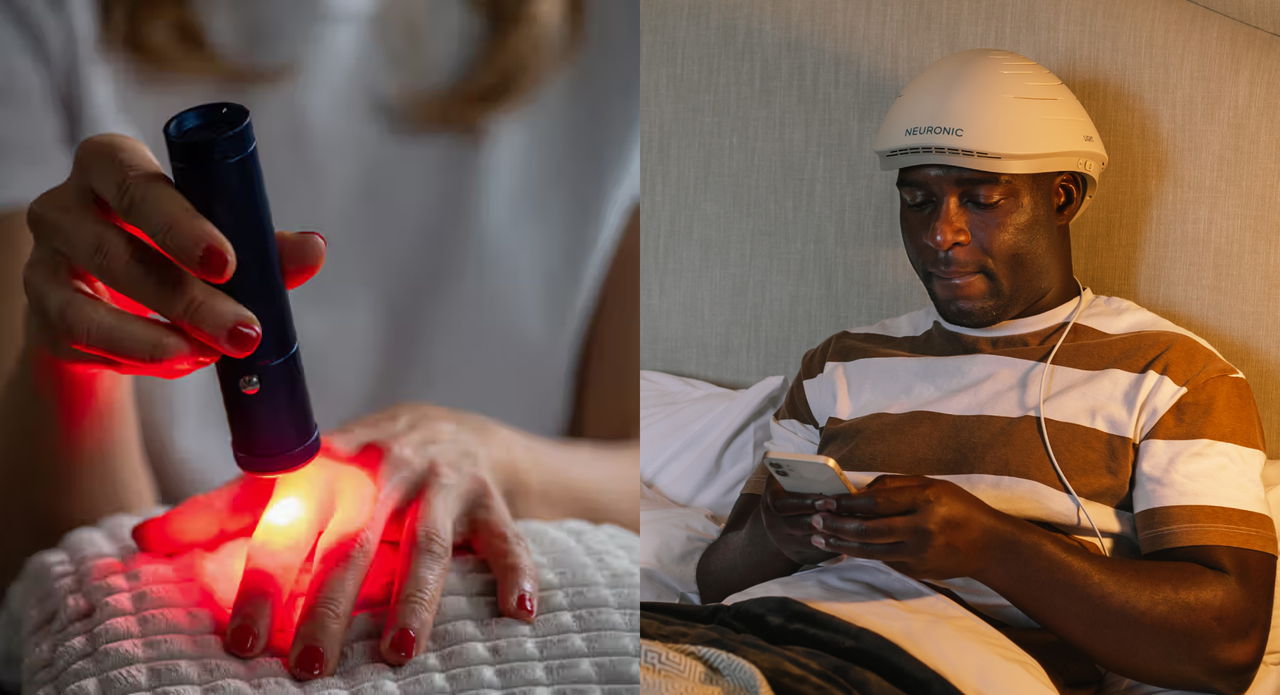
Now’s where it gets interesting. You might have heard something about near-infrared light therapy devices, but apart from a longer name, you might ask how they’re so different from basic red light.
Many people use the terms interchangeably, and they do have similar effects—but they are not identical.
Understanding the difference between red light and infrared light therapy could be the key to properly address your sleep issues—especially when considering deeper neurological applications.
Red Light vs Near-Infrared Light: What's the Difference?
The main difference here is the wavelength—essentially how ‘stretched-out’ the light is. But while that alone is meaningless to the average person, the more important difference to note here is how deep the light penetrates.
Visible red light typically has a length of 620–700 nm, penetrating into the body just a few millimetres. Near-infrared (NIR) light, on the other hand, extends beyond visible wavelengths at around 700–1100 nm in length, and can penetrate several centimetres into the muscles and blood vessels of the body.
Near-Infrared Light Penetration Depth
Near-infrared light penetration depth is one of the most critical points of differences and biggest advantages over red light (Jagdeo et al., 2012). And if you’ve been hung up on the question of how deep does red light penetrate the skin, it’s a completely fair one to ask, because it’s honestly not very far. However, near-infrared light penetration depth can be up to ten times that of standard red light.
When it comes to effecting biological changes, penetration depth alone can mean a colossal difference. When our brain packs in around 20,000–100,000 neurons per cubic millimetre, a deeper-penetrating form of light is seriously worth considering.
And while any form of light therapy finds it difficult to penetrate through the skull, near-infrared light tends to scatter a lot less in tissues, making it a much more fitting choice for addressing neurological issues like sleep disorders. That deeper reach is one reason near-infrared therapy is often considered an advanced form of photobiomodulation and a better investment than simple red-light therapy.
But even at surface-level, light therapies can make a surprising difference:
- improved scalp circulation
- effects on superficial nerves
- systemic mitochondrial / signalling responses
- autonomic nervous system changes
- relaxation effects from the ritual itself
But the differences don’t stop there.
Why Near-Infrared Light Therapy is the Upgrade for Addressing Insomnia Symptoms
For occasional sleeplessness, standard red light may offer noticeable support. But for chronic or complex insomnia—especially cases linked to neurological strain—near-infrared can provide a broader therapeutic reach.
This is where advanced photobiomodulation devices, including those developed by Neuronic, really stand out.
Choosing the Best Near-Infrared Light Therapy Device for Sleep
The best near-infrared light therapy devices don’t only have their light tuned to the right wavelength, but are set up to target the right areas of the brain or body, for the right amount of time, at the right pulse rate and intensity. This moves us beyond ambient red light exposure and into targeted photobiomodulation—delivering clinically relevant wavelengths with precision.
If you compared it to some other form of therapy like medication or physiotherapy, you would expect the best results from the right dose targeting the right area—and light therapy, in principle, is the same.
Why 1070 nm Light Matters for Brain Health
What’s curious about the specific 1070 nm wavelength used in Neuronic’s devices, however, is that it’s particularly long—much longer than what’s used in some other NIR light therapy devices. At this wavelength, it’s particularly well suited for penetrating various kinds of body tissues without scattering too much over distances.
What’s more, it shifts its therapeutic benefits from just targeting the mitochondria to having a broader, more holistic effect on the cell. While this is still an area of ongoing investigation, it’s believed that the modulatory effects may be helping to reorder the water inside our cells, creating a better, more organised environment for broad biological functionality—including the mitochondria (Passarella & Karu, 2014).
Fundamentally, that’s a different level of intervention altogether. And while we see similar effects to the mitochondria-targeting light therapies, NIR is now gaining attention for clinical use as a potential “upgrade” from red light for addressing neurological imbalances and inflammation-related disorders like insomnia.
A Broader Vision for Sleep Health
Over the last six years, my research has led me to understand sleep not as some mental challenge for switching off, but more as a coordination of the body’s systems to achieve specific neural rhythms. It’s these rhythms that help the body properly repair and clean itself, and whether it’s doing this well or hardly at all is often going to continue as a health feedback loop.
But what do we do when we’ve fallen so far out of rhythm that it’s hard to get back?
The brain is a marvellous adaptor, and even after one night of poor sleep will remodel itself to compensate and take action to restore balance in whatever ways it can. However, this is only meant to buy us some time until we get back into the proper rhythms and functions. The question is, how do we know when we’re way out of rhythm, and what can we do to get back to proper regulation?
Insomnia symptoms should represent a question, not a finalised condition. If something’s interrupting your sleep, this should be seen like a warning light on your car dashboard, recognising that something is out of balance and possibly needs some attention.
Through all the nuanced, delicate ecosystems within the brain and body, we humans are certainly fascinating machines. Our systems must remain within a certain domain of balance if our biology is to properly cycle through its night-time processes—and a pill frankly does very little to achieve this. Light, nutrients, metabolism, inflammation, stress, and hydration can all factor into this, but at the end of the day it all comes down to how well our cells are able to function and coordinate.
I would confidently guarantee that the future of sleep care is going to be based in addressing the actual root causes—not merely masking symptoms with a pill. And in that future, treatment approaches like near-infrared light therapy deserve a central role. Not because they are trendy, but because they are biologically intelligent, non-invasive, and grounded in mechanisms that speak directly to the realities of modern health.
The more I’ve studied this technology—and the more scientific papers I’ve read on mitochondrial modulation, oxygen metabolism, and neural recovery—the more convinced I’ve become of its transformative potential.
It is rare to find an intervention that is this versatile, this elegant, and this deeply aligned with the body’s own healing systems. That is why I support companies like Neuronic, and why I believe this category of therapy should be far more widely understood.
If we are serious about solving chronic insomnia at its roots, this is one of the most compelling directions available.
Further Reading
To deepen your understanding, I recommend exploring Neuronic’s educational resources on wavelength science, therapeutic applications, and emerging device technologies—including comparisons of red and near-infrared light, blue light therapy, and innovations in photobiomodulation devices.
You can also learn more about my own work on the Sleep Alchemy platform, where I continue to develop resources for people navigating persistent sleep challenges.
If you enjoyed this article, consider sharing it to help reach others.
Thank you for reading.
About the author:
Matthew is a sleep educator, research writer, and author from Auckland, New Zealand. His work explores the science of sleep, cognition, and human biology, with a focus on practical guidance for health and living. His latest book, I Can’t Sleep: A Condensed Guide to Reclaiming Your Sleep, seeks to expand everyday awareness around factors that can make or break a good night’s rest.
References:
Zhao, J., Tian, Y., Nie, J., Xu, J., & Liu, D. (2012). Red light and the sleep quality and endurance performance of Chinese female basketball players. Journal of athletic training, 47(6), 673–678. https://doi.org/10.4085/1062-6050-47.6.08
Brainard, G. C., Hanifin, J. P., Greeson, J. M., Byrne, B., Glickman, G., Gerner, E., Rollag, M. D., & New Collective Author (2001). Action spectrum for melatonin regulation in humans: evidence for a novel circadian photoreceptor. The Journal of neuroscience : the official journal of the Society for Neuroscience, 21(16), 6405–6412. https://doi.org/10.1523/JNEUROSCI.21-16-06405.2001
Thapan, K., Arendt, J., & Skene, D. J. (2001). An action spectrum for melatonin suppression: evidence for a novel non-rod, non-cone photoreceptor system in humans. The Journal of physiology, 535(Pt 1), 261–267. https://doi.org/10.1111/j.1469-7793.2001.t01-1-00261.x
Karu T. (1999). Primary and secondary mechanisms of action of visible to near-IR radiation on cells. Journal of photochemistry and photobiology. B, Biology, 49(1), 1–17. https://doi.org/10.1016/S1011-1344(98)00219-X
Wong-Riley, M. T., Liang, H. L., Eells, J. T., Chance, B., Henry, M. M., Buchmann, E., Kane, M., & Whelan, H. T. (2005). Photobiomodulation directly benefits primary neurons functionally inactivated by toxins: role of cytochrome c oxidase. The Journal of biological chemistry, 280(6), 4761–4771. https://doi.org/10.1074/jbc.M409650200
Passarella, S., & Karu, T. (2014). Absorption of monochromatic and narrow band radiation in the visible and near IR by both mitochondrial and non-mitochondrial photoacceptors results in photobiomodulation. Journal of photochemistry and photobiology. B, Biology, 140, 344–358. https://doi.org/10.1016/j.jphotobiol.2014.07.021
Irwin, M. R., & Opp, M. R. (2017). Sleep Health: Reciprocal Regulation of Sleep and Innate Immunity. Neuropsychopharmacology : official publication of the American College of Neuropsychopharmacology, 42(1), 129–155. https://doi.org/10.1038/npp.2016.148
Riemann, D., Spiegelhalder, K., Feige, B., Voderholzer, U., Berger, M., Perlis, M., & Nissen, C. (2010). The hyperarousal model of insomnia: a review of the concept and its evidence. Sleep medicine reviews, 14(1), 19–31. https://doi.org/10.1016/j.smrv.2009.04.002
Jagdeo, J. R., Adams, L. E., Brody, N. I., & Siegel, D. M. (2012). Transcranial red and near infrared light transmission in a cadaveric model. PloS one, 7(10), e47460. https://doi.org/10.1371/journal.pone.0047460
Barrett, D. W., & Gonzalez-Lima, F. (2013). Transcranial infrared laser stimulation produces beneficial cognitive and emotional effects in humans. Neuroscience, 230, 13–23. https://doi.org/10.1016/j.neuroscience.2012.11.016
Naeser, M. A., Martin, P. I., Ho, M. D., Krengel, M. H., Bogdanova, Y., Knight, J. A., Yee, M. K., Zafonte, R., Frazier, J., Hamblin, M. R., & Koo, B. B. (2016). Transcranial, Red/Near-Infrared Light-Emitting Diode Therapy to Improve Cognition in Chronic Traumatic Brain Injury. Photomedicine and laser surgery, 34(12), 610–626. https://doi.org/10.1089/pho.2015.4037
Woźniak-Mitał, J., Rasmus, P., Strombek-Milczarek, M., & Kaźmierski, J. (2026). The Impact of Transcranial Direct Stimulation Therapy Combined with Intranasal Near-Infrared Stimulation on Cognitive Performance in Patients with Mild Cognitive Impairment and Alzheimer's Disease: A Pilot Randomized, Double-Blind, Placebo-Controlled Study. Neurology and therapy, 10.1007/s40120-026-00927-x. Advance online publication. https://doi.org/10.1007/s40120-026-00927-x
Gonzalez-Lima, F., & Barrett, D. W. (2014). Augmentation of cognitive brain functions with transcranial lasers. Frontiers in systems neuroscience, 8, 36. https://doi.org/10.3389/fnsys.2014.00036