6 Photobiomodulation Devices You Didn’t Know About
![[object Object]](https://cdn.sanity.io/images/h29o7kl4/staging/0c0476690b5e49f9a375deb663c4d52aa39fa8e2-352x351.heif?w=352&q=80&auto=format&fit=max)
What Is Photobiomodulation (PBM)?
Light is all around us - it’s what helps us see what’s in front of us, powers the screens of our gadgets, and helps grow our gardens. We’ve heard what a lack of natural light can lead to, like vitamin D deficiency, and seasonal affective disorder. But what if we could harness the healing power of light in portable and affordable technologies?
That’s exactly what photobiomodulation (PBM) does.
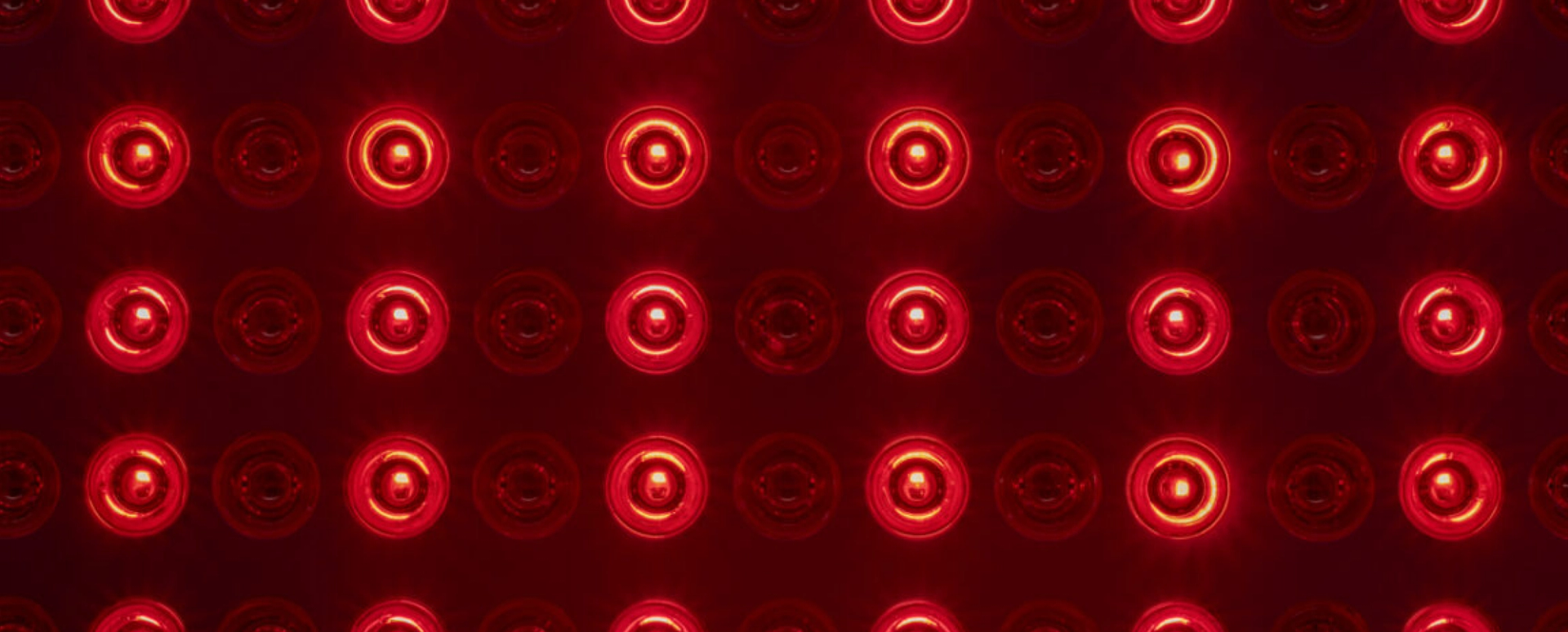
Photobiomodulation, known as light therapy, uses red or near-infrared (NIR) light (typically 600-1100 nm) to support mitochondrial energy production through ATP, leading to downstream effects like improved blood flow, and oxidative stress modulation (de Freitas & Hamblin, 2017). PBM has a long history and includes applications to the body, from muscle recovery, to skin rejuvenation, to brain health. As this technology becomes more commonplace in provider offices, various companies have honed in on producing photobiomolulation devices for various applications.
This list covers popular options but is not exhaustive, and other light therapies exist, such as blue-light bili lights for newborn jaundice or bright white light boxes for seasonal depression.
Let’s get started! Here are 6 photobiomodulation devices that harness the restorative power of light.
1. Photobiomodulation Patch
What Is a Photobiomodulation Patch?
PBM patches are flexible, adhesive pads embedded with tiny, powerful LEDs that emit targeted red light directly onto the skin or muscles. These portable devices are designed for easy, on-the-go application - simply stick them over the affected area and activate for hands-free therapy sessions typically lasting 20-30 minutes.
What Is a PBM Patch Used for?
The primary goal is localized treatment: they penetrate skin to boost cellular energy (ATP production), reduce inflammation, and support tissue repair. Commonly used for muscle spasms, stiffness, sprains, joint pain relief (like arthritis or tendonitis), and recovery after workouts or injuries, making them popular among athletes and those with chronic pain.
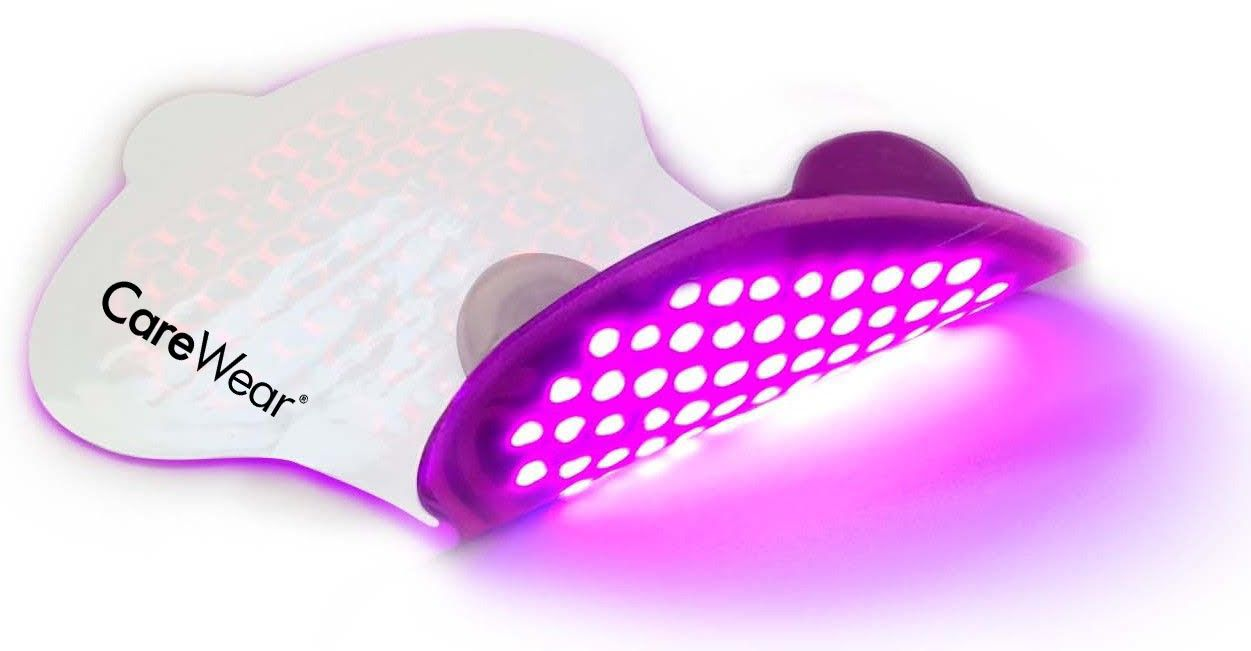
A sample of a PBM patch from CareWear (Image Source: CareWear).
2. Transcranial Photobiomodulation Devices
What is a transcranial photobiomodulation device?
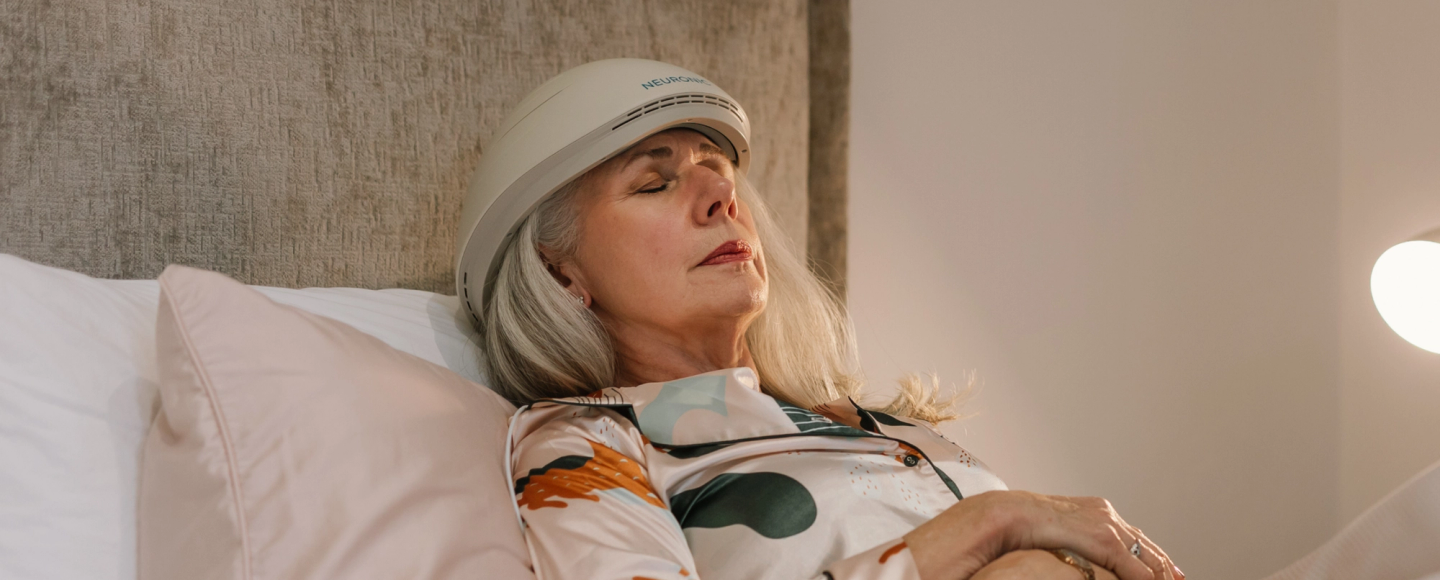
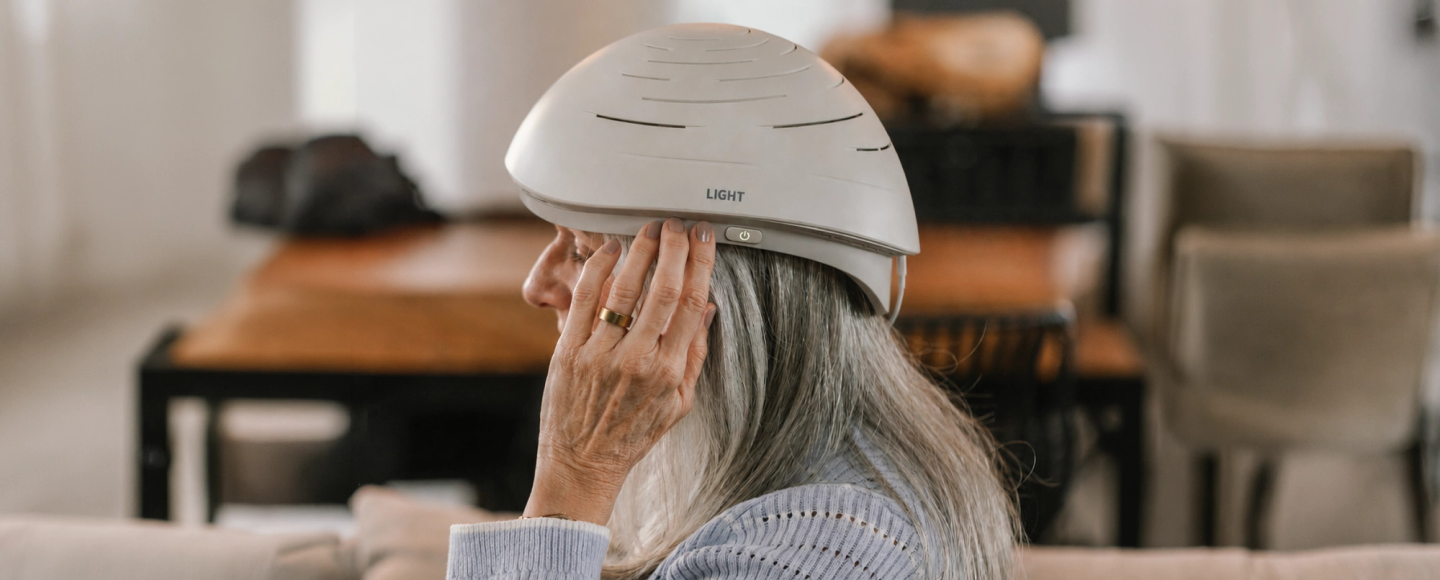
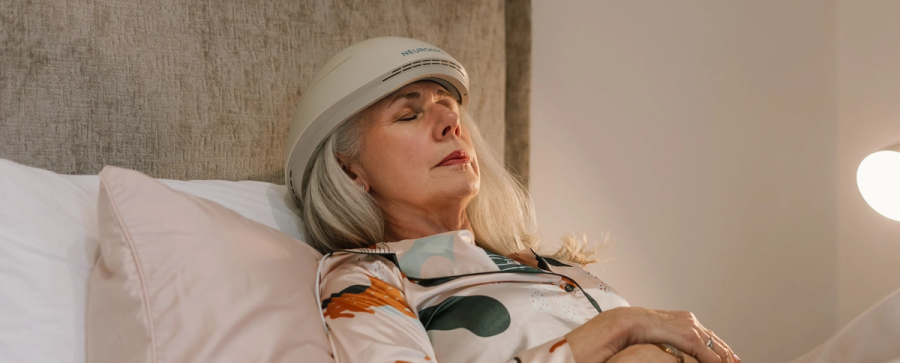
Transcranial PBM devices include wearable helmets, flexible headbands, or intranasal probes using NIR light to penetrate the skull and stimulate brain tissue non-invasively. Advanced models like Neuronic's LIGHT device feature multi-site arrays for whole-brain coverage, with app-controlled customizability for optimal neuron activation.
What are transcranial photobiomodulation devices used for?
Research on tPBM has shown many applications to brain health including dementia, ADHD, autism and longevity. Interested in finding out if transcranial photobiomodulation is right for you? Take this quiz.
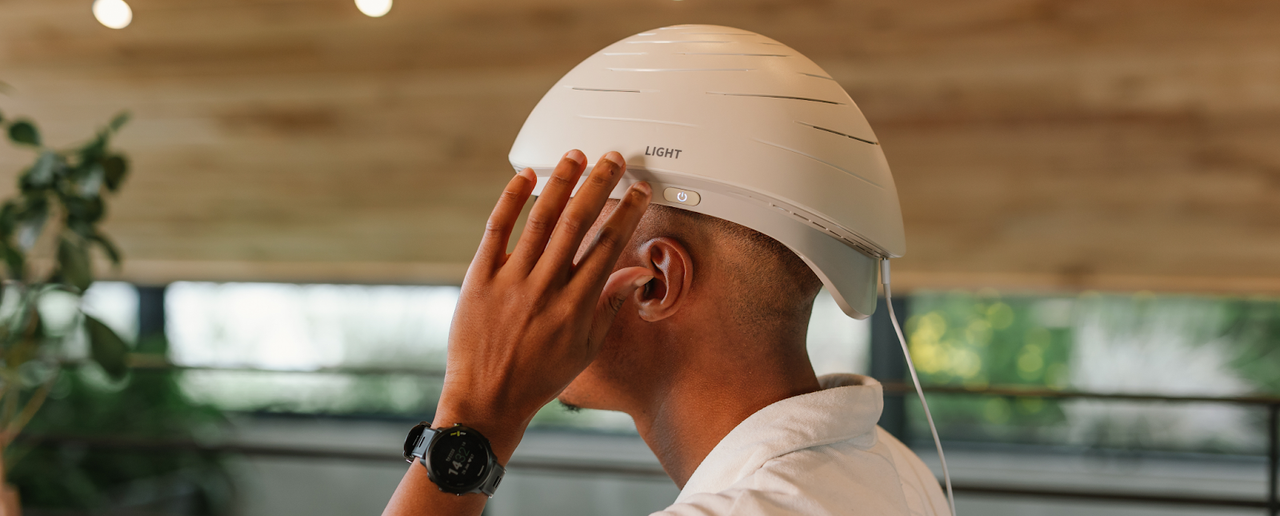
Sample of a transcranial photobiomodulation helmet from Neuronic (Image Source: Neuronic).
3. Handheld Laser Device
What is a handheld laser device?
Handheld laser devices are compact, portable probes connected to a base control unit that emit coherent low-level laser light (red or NIR) for precise, pinpoint application. These ergonomic tools allow users to scan or hold them directly over specific areas, commonly used in clinical and home settings for targeted applications.
What is a laser device used for?
They target deep tissues to stimulate mitochondrial function, improve circulation, and reduce musculoskeletal pain. Ideal for arthritis flare-ups, peripheral neuropathy, acute sports injuries like sprains, or trigger point therapy; sessions can last from 30 seconds to 10 minutes for fast, effective relief.
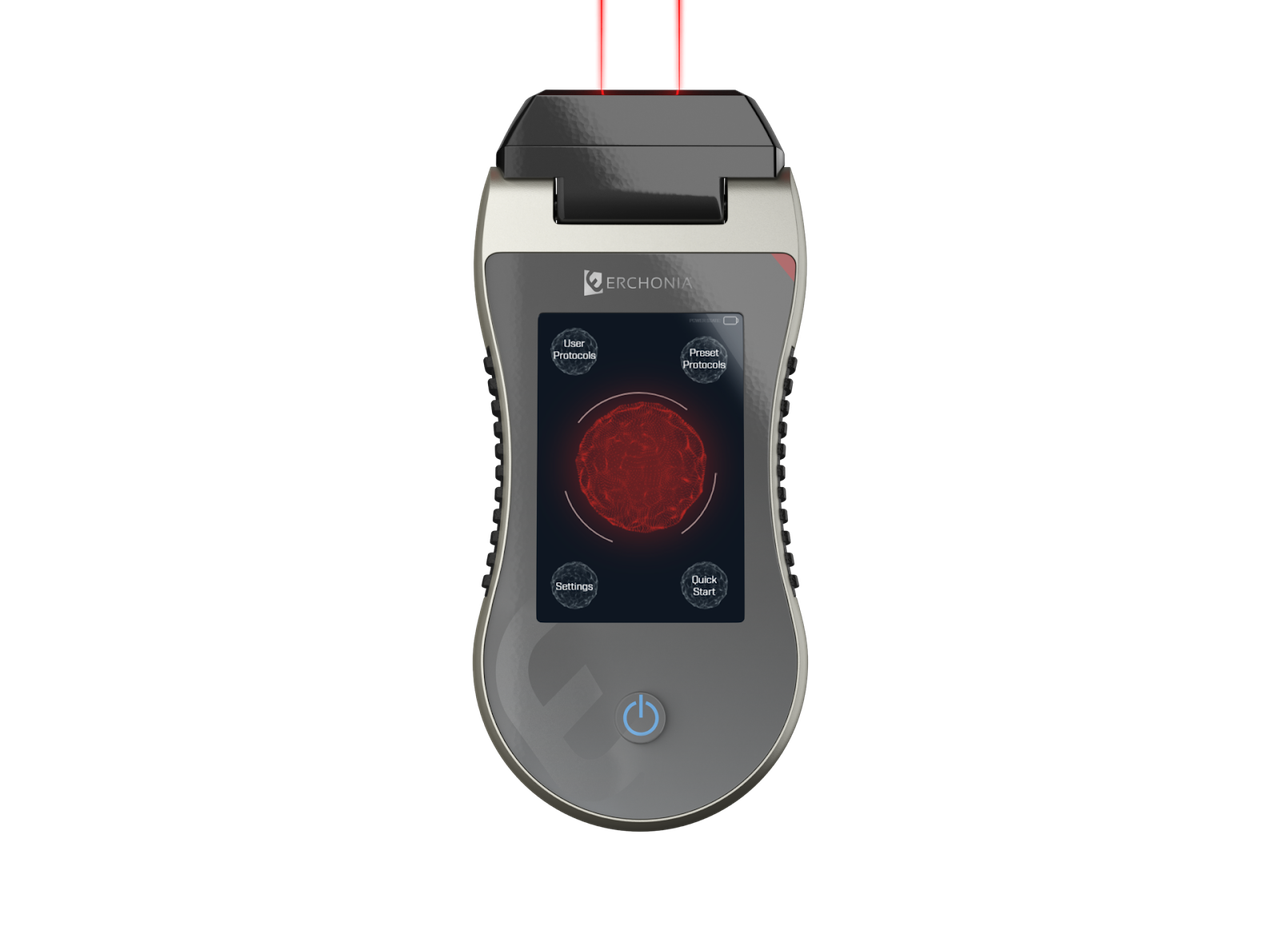
A sample of a handheld laser device from Erchonia (Image Source: Erchonia).
4. Light Therapy Panels
What is a light therapy panel?
Light therapy panels are large, wall- or stand-mounted arrays of high-power LEDs emitting red and NIR wavelengths across a broad surface area. Freestanding or hanging designs provide even, full-body coverage from 6-24 inches away, with adjustable timers and intensity for customizable sessions.
What are light therapy panels used for?
They deliver systemic benefits like enhanced skin collagen production, reduced muscle soreness, and overall anti-aging effects. Users stand or sit in front for 10-20 minute treatments to support general wellness and recovery.
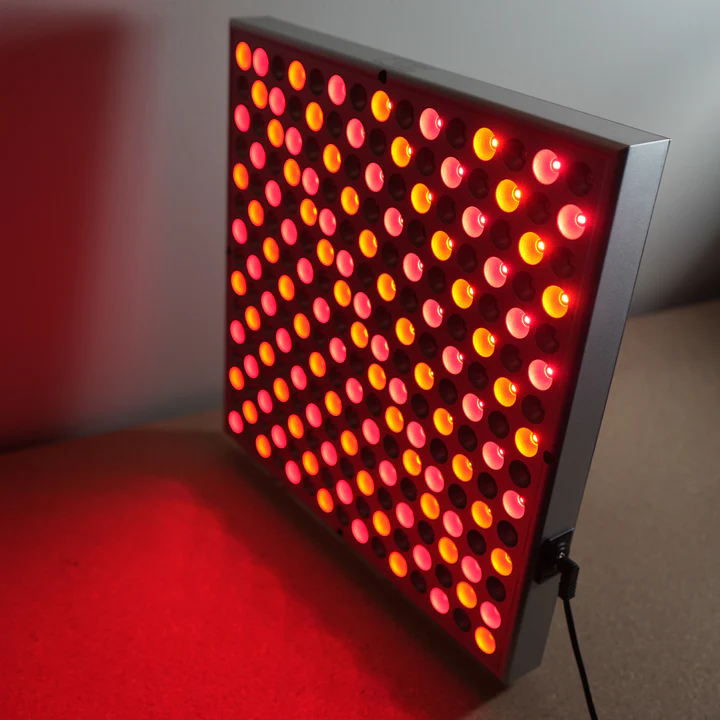
A sample of a light panel from GembaRed (Image Source: GembaRed).
5. Red Light Therapy Pads
What are red light therapy pads?
Red light therapy pads are flexible, wearable devices embedded with LEDs that emit red and/or NIR light. Designed to contour around areas like the back, knees, shoulders, or waist, these pads provide hands-free, targeted light exposure. Unlike stationary panels or lamps, wrap pads stay in place using straps or adhesive, allowing for consistent treatment while you relax or move lightly throughout your session.
What are red light therapy pads used for?
They may support localized pain management by delivering light energy into the skin and helping modulate inflammation. Wrap them around joints or muscles for targeted discomfort, or use them more broadly to support recovery, relaxation, and overall wellness.
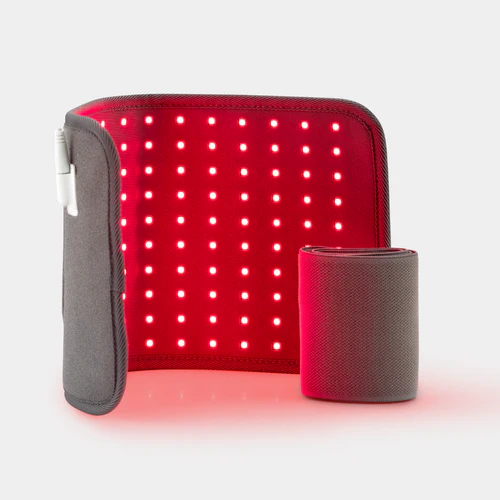
A sample of a red light therapy pad from Novaalab (Image Source: Novaalab).
6. Light Therapy Beds
What is a light therapy bed?
Light therapy beds are full-body chambers or enclosures lined with thousands of densely packed LEDs across red and NIR spectrums, providing immersive 360-degree exposure. Users lie down inside for uniform dosing, with built-in cooling fans and programmable protocols for professional-grade results.
What is a light therapy bed used for?
They offer deep systemic therapy for widespread inflammation, athletic performance optimization, and skin rejuvenation by flooding tissues with photons. Perfect for post-workout recovery, general wellness, or anti-aging protocols. These sessions are on average 20-minutes and used for full-body exposure to support recovery, skin health, and overall wellness.
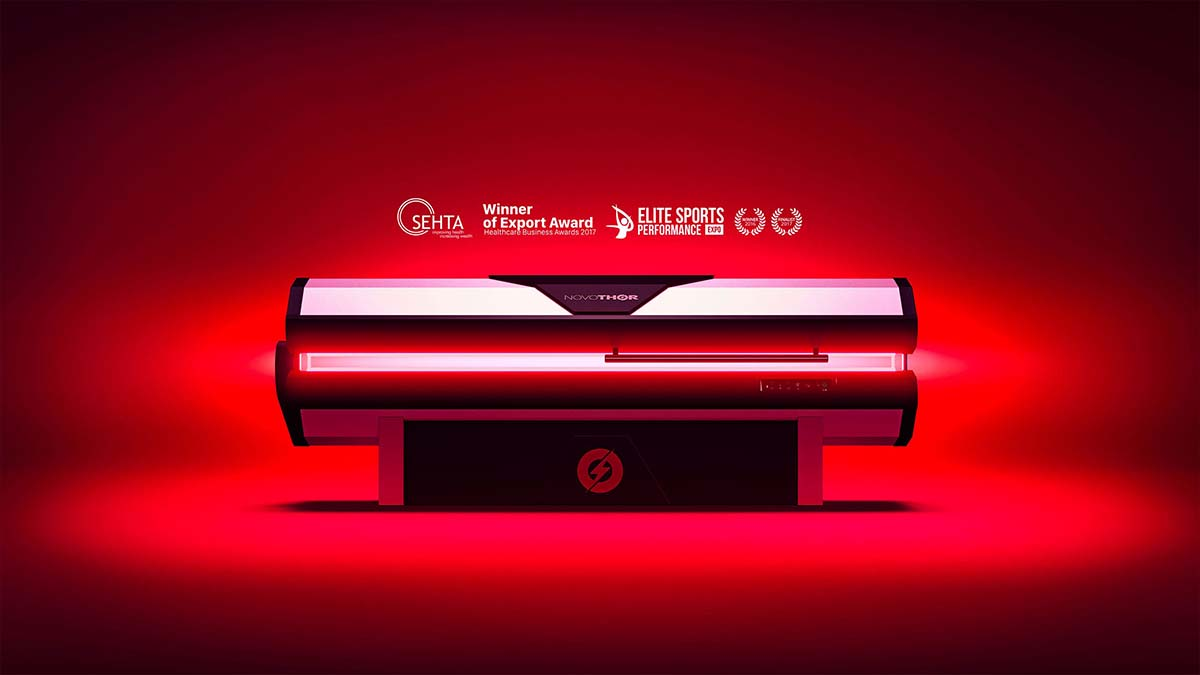
A sample of a red light therapy pad from NovoThor (Image Source: NovoThor).
FAQs:
Does photobiomodulation work?
- Photobiomodulation (PBM), also known as red and near-infrared light therapy, is supported by a growing body of research exploring its effects on cellular function. You can learn more about the science behind light therapy here. Many users also report improvements in areas like brain fog, memory and cognitive performance. Read more about real life experiences on our testimonials page.
Is photobiomodulation safe?
- Photobiomodulation is generally considered safe when used according to manufacturer guidelines. It uses non-ionizing light in the red and near-infrared spectrum, meaning it does not carry the risks associated with UV radiation. Depending on the PBM device used, some contraindications like cancer or metal in the head may exclude use. Most users experience little to no side effects, though some may notice mild and temporary reactions such as warmth, fatigue, or headaches, especially when first starting. As with any wellness technology, it’s important to begin with appropriate settings and consult a healthcare professional if you have specific concerns.
What’s the difference between red light and near infrared light therapy?
- Red light (typically ~600–700 nm) and near-infrared light (typically ~700–1100 nm) differ primarily in how deeply they penetrate the body. Red light tends to interact more with surface-level tissues, making it commonly used for skin-related applications. Near-infrared light penetrates deeper into tissues and is often used in applications targeting muscles, joints, and the brain. Read more about the difference between these two kinds of light here.
References:
de Freitas, L. F., & Hamblin, M. R. (2016). Proposed mechanisms of photobiomodulation or low-level light therapy. IEEE Journal of Selected Topics in Quantum Electronics, 22(3), 7000417. https://doi.org/10.1109/JSTQE.2016.2561201
Get Your Custom PBM Integration Strategy – Built for Clinicians and Other Professionals
In 15 minutes, you’ll walk away with a clear plan to implement PBM safely, compliantly, and without disrupting client care.
Or Give us a Call: +1 (209) 268-7839