Research on Light Therapy and PTSD
Post-traumatic stress disorder (PTSD) is a mental health condition that develops after experiencing or witnessing traumatic events. It can significantly affect emotional, cognitive, and physical wellbeing. Emerging research suggests that photobiomodulation (PBM) may offer promising results for easing symptoms of PTSD
Post-traumatic stress disorder (PTSD) is a mental health condition that develops after experiencing or witnessing traumatic events. It can significantly affect emotional, cognitive, and physical wellbeing. Emerging research suggests that photobiomodulation (PBM) may offer promising results for easing symptoms of PTSD

Signs and Symptoms of PTSD
PTSD can present in different ways depending on the individual, but common symptoms include (Mayo Clinic Staff, 2023):
- Intrusive memories or flashbacks of the traumatic event
- Avoidance of reminders, people, or places associated with the trauma
- Negative changes in thinking and mood, including hopelessness and emotional numbness
- Hyperarousal symptoms, such as irritability, difficulty sleeping, or being easily startled
- Difficulty maintaining close relationships and detachment from others
- Physical manifestations of stress such as headaches, dizziness, or fatigue

What Causes Symptoms of PTSD?
PTSD develops after trauma, but not everyone exposed to trauma develops the condition. Risk factors include (National Health Service [NHS], 2022):
- Traumatic events - military combat, sexual assault, accidents, or natural disasters may increase the risk of developing PTSD
- Personality traits - including high levels of anxiety or lack of social support
- Family history of mental illness - particularly anxiety or mood disorders
- Other health conditions - such as brain injury or co-occurring depression and substance use
FAQs
What results can be expected and when?
Types of results and their timelines vary depending on the individuals. However, a combination of research and anecdotal evidence from providers suggests some expected results to be the following: improved language capabilities, improvements in emotional regulation, decreased repetitive behaviours, and improved social skills/engagement. While some clients may see results very quickly, others may take a few months.
What is mitochondrial dysfunction?
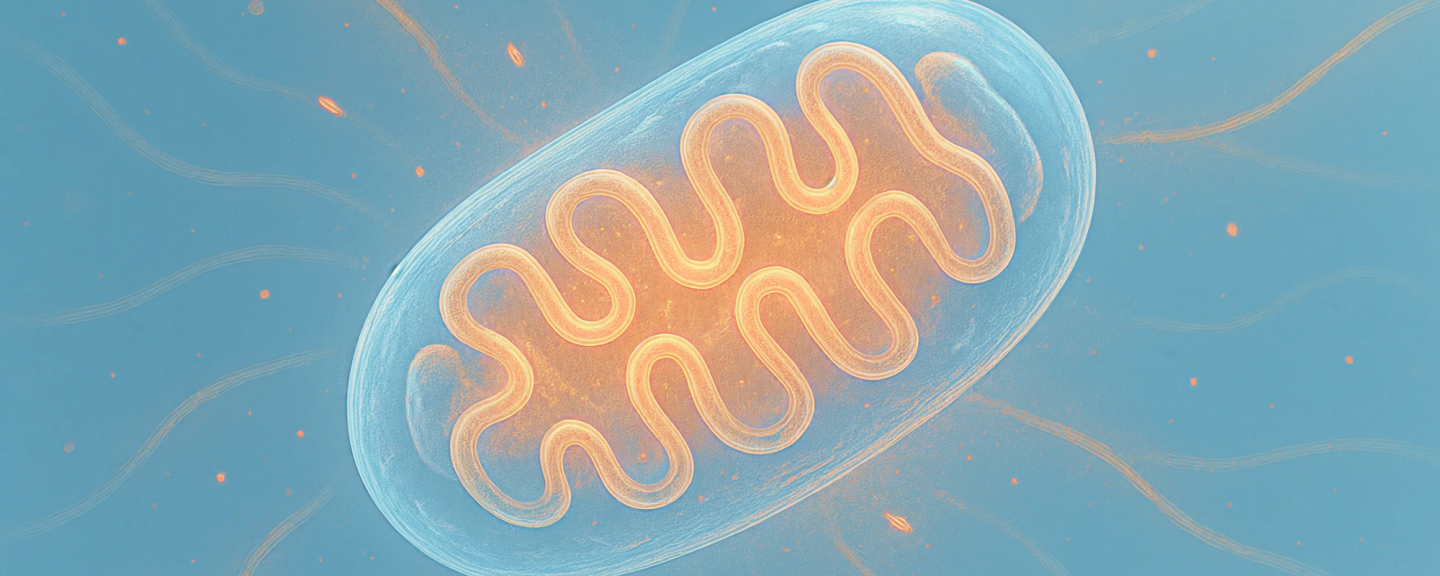
Mitochondrial dysfunction is a term that encapsulates dysfunction in various operations of the mitochondria. With mitochondria being the main energy producers of the cell, dysfunction can lead to reduced ATP (energy) production, increased oxidative stress, and difficulty maintaining healthy cell function. When mitochondria can’t keep up with the body’s energy demands or fail to remove damaged components, it can affect brain function, muscle strength, immune response, and overall vitality. Mitochondrial dysfunction is linked to many conditions, including fatigue, neurodegeneration, and metabolic disorders (Zong et al., 2024).
How many PBM sessions will I need?
Benefits can often be noticed within a few sessions, especially related to sleep and mental clarity. For cognitive improvements, consistent use over several weeks or months is typically recommended. As AD is often referred to as a neurodegenerative disease with genetic components, incorporating light therapy as a regular lifestyle habit can support overall brain health and give your brain the best chance to stay at its most performing level over time.
Is PBM safe?
Yes. PBM is FDA-cleared for various applications and has a strong safety profile. It’s non-invasive, painless, and has no known serious side effects when used as directed.
References
- Eshaghi, E., Sadigh-Eteghad, S., Mohaddes, G., & Rasta, S. H. (2019). Transcranial photobiomodulation prevents anxiety and depression via changing serotonin and nitric oxide levels in the brain of depression model mice: A study of three different doses of 810 nm laser. Lasers in Surgery and Medicine, 51(7), 634–642. https://doi.org/10.1002/lsm.23082
- Krystal, J. H., & Neumeister, A. (2009). Noradrenergic and serotonergic mechanisms in the neurobiology of post-traumatic stress disorder and resilience. Brain Research, 1293, 13–23. https://doi.org/10.1016/j.brainres.2009.03.044
- Li, Y., Dong, Y., Yang, L., Tucker, L., Zong, X., Brann, D., Hamblin, M. R., Vazdarjanova, A., & Zhang, Q. (2021). Photobiomodulation prevents PTSD-like memory impairments in rats. Molecular Psychiatry, 26(11), 6666–6679. https://doi.org/10.1038/s41380-021-01088-z
- Mayo Clinic Staff. (2023, May 24). Post-traumatic stress disorder (PTSD) — Symptoms and causes. Mayo Clinic. Retrieved September 5, 2025, from https://www.mayoclinic.org/diseases-conditions/post-traumatic-stress-disorder/symptoms-causes/syc-20355967
- NHS. (2022, December 14). Post-traumatic stress disorder (PTSD). NHS. Retrieved September 5, 2025, from https://www.nhs.uk/mental-health/conditions/post-traumatic-stress-disorder-ptsd/
- Notaras, M., & van den Buuse, M. (2019). Brain-derived neurotrophic factor (BDNF): Novel insights into regulation and genetic variation. Neuroscientist, 25(5), 434–454. https://doi.org/10.1177/1073858418810142
- Shin, L. M., & Liberzon, I. (2010). The neurocircuitry of fear, stress, and anxiety disorders. Neuropsychopharmacology, 35(1), 169–191. https://doi.org/10.1038/npp.2009.83
- Yehuda, R. (2002). Post-traumatic stress disorder. New England Journal of Medicine, 346(2), 108–114. https://doi.org/10.1056/NEJMra012941
- Zhao, H., Li, Y., Luo, T., Chou, W., Sun, T., Liu, H., Qiu, H., Zhu, D., Chen, D., & Gu, Y. (2023). Preventing post-traumatic stress disorder (PTSD) in rats with pulsed 810 nm laser transcranial phototherapy. Translational Psychiatry, 13(1), Article 281. https://doi.org/10.1038/s41398-023-02583-3