Research on Light Therapy and Wellness + Longevity
Stress, fatigue, sleep disturbances, and cognitive overload are common factors that can diminish overall wellbeing and lifespan. Early research suggests photobiomodulation (PBM) can help regulate mood, enhance focus, and promote restorative sleep, making it a promising tool for supporting whole-person wellness and longevity.
Stress, fatigue, sleep disturbances, and cognitive overload are common factors that can diminish overall wellbeing and lifespan. Early research suggests photobiomodulation (PBM) can help regulate mood, enhance focus, and promote restorative sleep, making it a promising tool for supporting whole-person wellness and longevity.

Domains of Wellness and Longevity
The terms “wellness” and “longevity” encapsulate a multifaceted approach to health and often include the following components:
- Sleep - Support circadian rhythm stability and sleep quality so you wake more rested and cognitively sharp.
- Memory - Promote hippocampal plasticity and recall for learning and day-to-day memory.
- Mental Clarity - Enhance information processing, and mental stamina.
- Attention - Improve sustained focus and reduce “brain fog” in demanding tasks.
- Calmness - Encourage balanced stress responses and smoother emotional regulation.
-
Reduced Inflammation
Chronic low-grade inflammation accelerates aging and is associated with many age-related diseases. PBM has anti-inflammatory effects, which may support healthier aging and wellness by reducing systemic inflammation (Hamblin, 2017).
See the Study -
Cognitive Performance
A pilot study found that a single session of transcranial PBM improved attention and short-term memory in healthy adults, suggesting benefits for everyday cognitive efficiency (Barrett & Gonzalez-Lima, 2013).
See the Study -
Executive Function & Focus
Gonzalez-Lima & Barrett (2014) reported enhanced executive function and sustained attention following PBM, highlighting its potential as a tool for optimizing mental performance in both students and professionals.
See the Study -
Sleep & Fatigue
Research indicates that PBM can improve sleep quality by regulating circadian rhythm stability and supporting restorative rest, factors that directly contribute to overall wellbeing (Hamblin, 2016).
See the Study -
Neuroprotection & Plasticity
Reviews show that PBM enhances mitochondrial function (via cytochrome-c oxidase), upregulates neurotrophins such as BDNF, and promotes synaptogenesis/neurogenesis — mechanisms underpinning learning, memory, and resilience (Salehpour et al., 2018; Hennessy & Hamblin, 2017).
See the Study -
Stress & Mood Regulation
Preclinical studies demonstrate that PBM reduces anxiety-like behaviors and normalizes stress-related biomarkers, suggesting its usefulness in promoting calmness and emotional balance (Eshaghi, Sadigh-Eteghad, Mohaddes, & Rasta, 2019).
See the Study -
Enhancing Mitochondrial Function
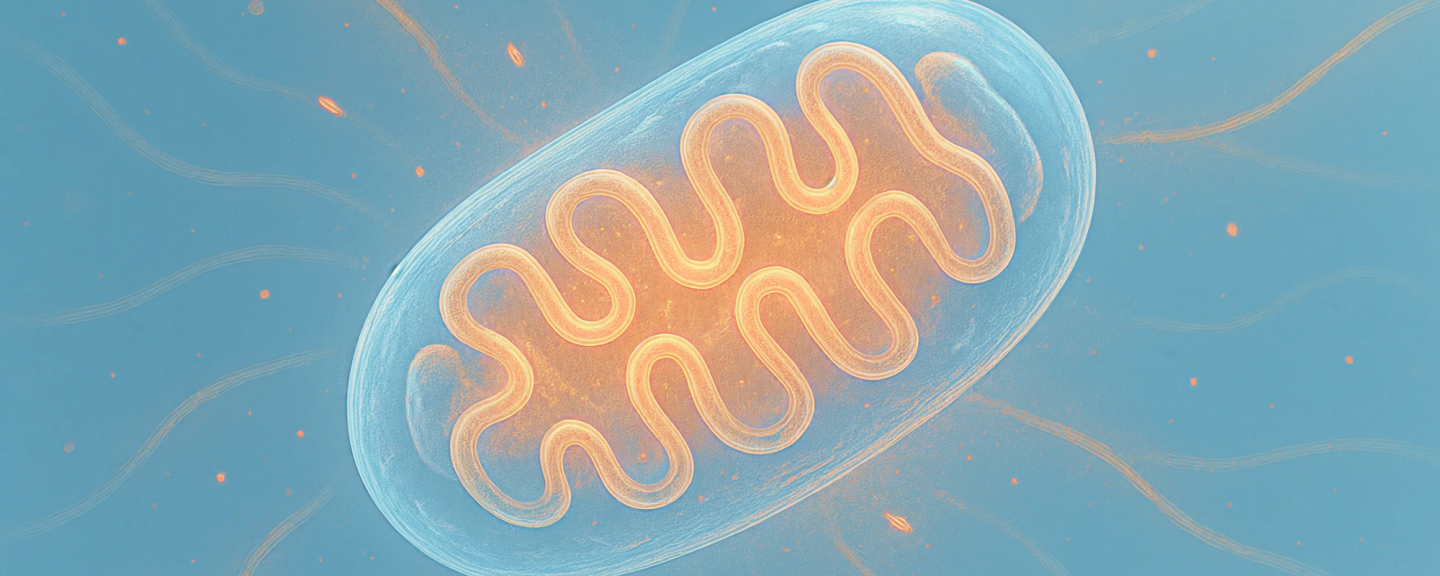
Enhanced mitochondrial function is linked with slower cellular aging and resilience against age-related decline, in addition to cognitive optimization. PBM stimulates mitochondrial enzymes, such as cytochrome-c oxidase, which can increase ATP production and improve cellular energy metabolism (de Freitas & Hamblin, 2016).
See the Study
FAQs
What results can be expected and when?
Types of results and their timelines vary depending on the individuals. However, a combination of research and anecdotal evidence from providers suggests some expected results to be the following: improved language capabilities, improvements in emotional regulation, decreased repetitive behaviours, and improved social skills/engagement. While some clients may see results very quickly, others may take a few months.
What is mitochondrial dysfunction?
Mitochondrial dysfunction is a term that encapsulates dysfunction in various operations of the mitochondria. With mitochondria being the main energy producers of the cell, dysfunction can lead to reduced ATP (energy) production, increased oxidative stress, and difficulty maintaining healthy cell function. When mitochondria can’t keep up with the body’s energy demands or fail to remove damaged components, it can affect brain function, muscle strength, immune response, and overall vitality. Mitochondrial dysfunction is linked to many conditions, including fatigue, neurodegeneration, and metabolic disorders (Zong et al., 2024).
How many PBM sessions will I need?
Benefits can often be noticed within a few sessions, especially related to sleep and mental clarity. For cognitive improvements, consistent use over several weeks or months is typically recommended. As AD is often referred to as a neurodegenerative disease with genetic components, incorporating light therapy as a regular lifestyle habit can support overall brain health and give your brain the best chance to stay at its most performing level over time.
Is PBM safe?
Yes. PBM is FDA-cleared for various applications and has a strong safety profile. It’s non-invasive, painless, and has no known serious side effects when used as directed.
References
Barrett, D. W., & Gonzalez-Lima, F. (2013). Transcranial infrared laser stimulation produces beneficial cognitive and emotional effects in humans. Neuroscience, 230, 13–23. https://doi.org/10.1016/j.neuroscience.2012.11.016
de Freitas, L. F., & Hamblin, M. R. (2016). Proposed mechanisms of photobiomodulation or low-level light therapy.IEEE Journal of Selected Topics in Quantum Electronics, 22(3), 7000417. https://doi.org/10.1109/JSTQE.2016.2561201
Eshaghi, E., Sadigh-Eteghad, S., Mohaddes, G., & Rasta, S. H. (2019). Transcranial photobiomodulation prevents anxiety and depression via changing serotonin and nitric oxide levels in brain of depression model mice: A study of three different doses of 810 nm laser. Lasers in Surgery and Medicine, 51(7), 634–642. https://doi.org/10.1002/lsm.23082
Gonzalez-Lima, F., & Barrett, D. W. (2014). Augmentation of cognitive brain functions with transcranial lasers. Frontiers in Systems Neuroscience, 8, 36. https://doi.org/10.3389/fnsys.2014.00036
Hamblin, M. R. (2016). Shining light on the head: Photobiomodulation for brain disorders. BBA Clinical, 6, 113–124. https://doi.org/10.1016/j.bbacli.2016.09.002
Hamblin, M. R. (2017). Mechanisms and applications of the anti-inflammatory effects of photobiomodulation. AIMS Biophysics, 4(3), 337–361. https://doi.org/10.3934/biophy.2017.3.337
Hennessy, M., & Hamblin, M. R. (2017). Photobiomodulation and the brain: A new paradigm. Journal of Optics, 19(1), 013003. https://doi.org/10.1088/2040-8986/19/1/013003
Lundie, M., Koch, M., Villanueva, A., Nguyen, T., Garner, C., Satsangi, M., Advani, P., & Krawczyk, D. (2025). Illuminating cognitive performance: Assessing the role of transcranial photobiomodulation in augmenting cognition. Military Medicine, 190(Supplement_2), 456–463. https://doi.org/10.1093/milmed/usaf227
Salehpour, F., Mahmoudi, J., Kamari, F., Sadigh-Eteghad, S., Rasta, S. H., & Hamblin, M. R. (2018). Brain photobiomodulation therapy: A narrative review. Molecular Neurobiology, 55(8), 6601–6636. https://doi.org/10.1007/s12035-017-0852-4