Research on Light Therapy and Parkinson’s Disease
Parkinson’s disease is a progressive neurological condition affecting movement, cognition, and quality of life. Early research into photobiomodulation is showing promising signals, exploring how light therapy may support brain function through its effects on mitochondrial health, blood flow, and inflammation.
Parkinson’s disease is a progressive neurological condition affecting movement, cognition, and quality of life. Early research into photobiomodulation is showing promising signals, exploring how light therapy may support brain function through its effects on mitochondrial health, blood flow, and inflammation.

Signs and Symptoms of Parkinson’s Disease
Symptoms of Parkinson’s disease include (Mayo Clinic, n.d.):
- Tremors
- Slowed movement, also called bradykinesia
- Rigid muscles
- Poor posture and balance
- Loss of automatic movements (ex. swinging arms while walking)
- Speech changes (slurring, sounding monotone)
- Writing changes
Biomarkers of Parkinson’s Disease
What Causes Symptoms of Parkinson’s?
FAQs
What results can be expected and when?
Types of results and their timelines vary depending on the individuals. However, a combination of research and anecdotal evidence from providers suggests some expected results to be the following: improved language capabilities, improvements in emotional regulation, decreased repetitive behaviours, and improved social skills/engagement. While some clients may see results very quickly, others may take a few months.
What is mitochondrial dysfunction?
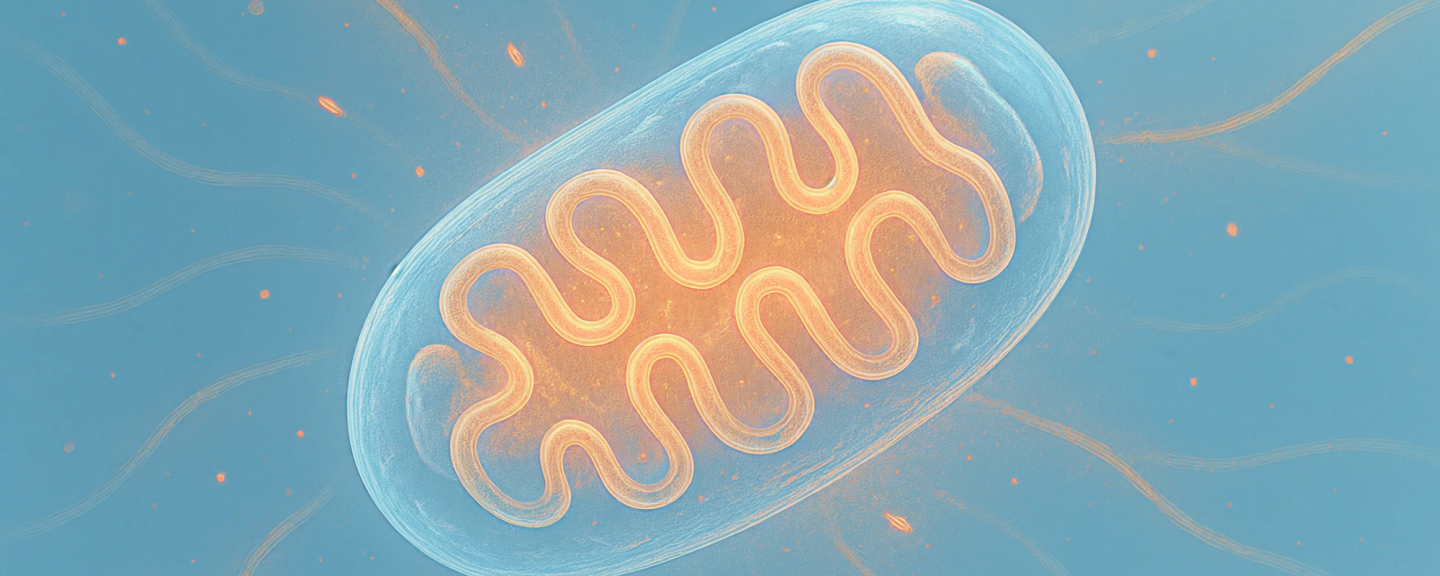
Mitochondrial dysfunction is a term that encapsulates dysfunction in various operations of the mitochondria. With mitochondria being the main energy producers of the cell, dysfunction can lead to reduced ATP (energy) production, increased oxidative stress, and difficulty maintaining healthy cell function. When mitochondria can’t keep up with the body’s energy demands or fail to remove damaged components, it can affect brain function, muscle strength, immune response, and overall vitality. Mitochondrial dysfunction is linked to many conditions, including fatigue, neurodegeneration, and metabolic disorders (Zong et al., 2024).
How many PBM sessions will I need?
Benefits can often be noticed within a few sessions, especially related to sleep and mental clarity. For cognitive improvements, consistent use over several weeks or months is typically recommended. As AD is often referred to as a neurodegenerative disease with genetic components, incorporating light therapy as a regular lifestyle habit can support overall brain health and give your brain the best chance to stay at its most performing level over time.
Is PBM safe?
Yes. PBM is FDA-cleared for various applications and has a strong safety profile. It’s non-invasive, painless, and has no known serious side effects when used as directed.
References
Liebert, A., Bicknell, B., Laakso, E.-L., Heller, G., Jalilitabaei, P., Tilley, S., Mitrofanis, J., & Kiat, H. (2021, July 2). Improvements in clinical signs of Parkinson’s disease using photobiomodulation: A prospective proof-of-concept study. BMC Neurology, 21, Article 256. https://doi.org/10.1186/s12883-021-02248-y
Meiser, J., Weindl, D., & Hiller, K. (2013, May 17). Complexity of dopamine metabolism. Cell Communication and Signaling, 11(1), Article 34. https://doi.org/10.1186/1478-811X-11-34
Mohammed, H. S., Hosny, E. N., Sawie, H. G., & Khadrawy, Y. A. (2023, December). Transcranial photobiomodulation ameliorates midbrain and striatum neurochemical impairments and behavioral deficits in reserpine-induced parkinsonism in rats. Photochemical & Photobiological Sciences, 22(12), 2891–2904. https://doi.org/10.1007/s43630-023-00497-z
Moro, C., El Massri, N., Darlot, F., Torres, N., Chabrol, C., Agay, D., Auboiroux, V., Johnstone, D. M., Stone, J., Mitrofanis, J., & Benabid, A.-L. (2016). Effects of a higher dose of near-infrared light on clinical signs and neuroprotection in a monkey model of Parkinson’s disease. Brain Research, 1648 (Part A), 19–26. https://doi.org/10.1016/j.brainres.2016.07.005P
ajares, M., Rojo, A. I., Manda, G., Boscá, L., & Cuadrado, A. (2020). Inflammation in Parkinson’s Disease: Mechanisms and Therapeutic Implications. Cells, 9(7), 1687. https://doi.org/10.3390/cells9071687
Siderowf, A., Concha-Marambio, L., Lafontant, D.-E., Farris, C. M., Ma, Y., Urenia, P. A., Nguyen, H., Alcalay, R. N., Chahine, L. M., Foroud, T., Galasko, D., Kieburtz, K., Merchant, K., Mollenhauer, B., Poston, K. L., Seibyl, J., Simuni, T., Tanner, C. M., Weintraub, D., Videnovic, A., Choi, S. H., Kurth, R., Caspell-Garcia, C., Coffey, C. S., Frasier, M., Oliveira, L. M. A., Hutten, S. J., Sherer, T., Marek, K., & Soto, C.; Parkinson’s Progression Markers Initiative. (2023). Assessment of heterogeneity among participants in the Parkinson’s Progression Markers Initiative cohort using α-synuclein seed amplification: A cross-sectional study. The Lancet Neurology, 22(5), 407–417. https://doi.org/10.1016/S1474-4422(23)00109-6
Surmeier, D. J. (2018, August 14). Determinants of dopaminergic neuron loss in Parkinson’s disease. FEBS Journal, 285(19), 3657–3668. https://doi.org/10.1111/febs.14607
Wakabayashi, K., Tanji, K., Mori, F., & Takahashi, H. (2007). The Lewy body in Parkinson’s disease: Molecules implicated in the formation and degradation of α-synuclein aggregates. Neuropathology, 27(5), 494–506. https://doi.org/10.1111/j.1440-1789.2007.00803.x