1070 Nanometers: Underrated or the Underdog?
![[object Object]](https://cdn.sanity.io/images/h29o7kl4/staging/ff53226fede55001781c911b5171e43dd7477ade-795x795.webp?w=795&q=80&auto=format&fit=max)

Today we’re diving into a wavelength that’s getting a lot of attention in neuroscience: 1070 nm near-infrared light. Highlighting some of the reasons why we use 1070 at Neuronic.
1070 nm, aka the Deep Penetration wavelength.
So, a few things make 1070nm stand out.
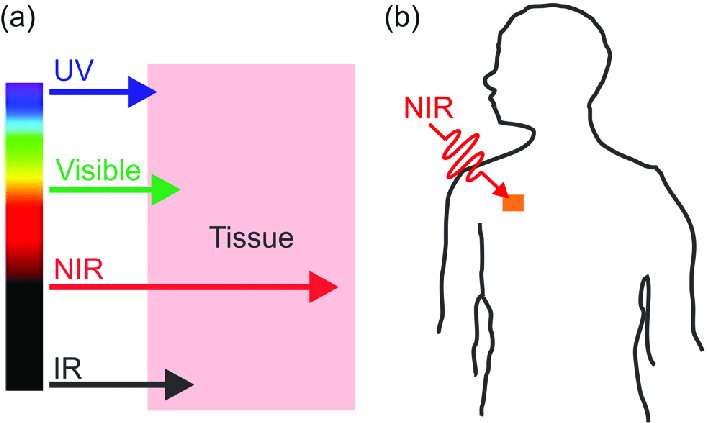
- Deeper penetration through the skull compared to shorter wavelengths
- Lower scattering, meaning more photons reach neural tissue
- Strong effects on cerebral blood flow & neuroinflammation
Let's briefly look over why 1070 nm light is one of the best tools to manage inflammation.
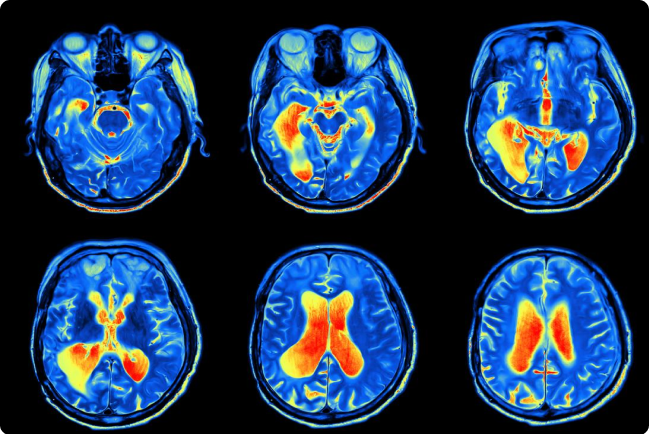
Inflammation: The Brain’s Fire, 1070 nm: The Extinguisher
Inflammation doesn’t just change how the brain feels; it changes how the brain functions and determines disease risk.
Chronic inflammation is like a slow-burning fire in the brain, dimming energy, blocking clarity, and accelerating aging.
And while most health advice focuses on food, supplements, and stress… few people realize that light exposure is one of the most powerful modulators of neuroinflammation.
What’s remarkable is that 1070 nm doesn’t just help like other wavelengths… but has been uniquely studied when it comes to cooling this fire.
There is a 50% chance you'll get neuroinflammation:
Neurological disorders affect around 50% of people ( 1). Truth to be told, it’s easier to name the conditions that do NOT involve neuroinflammation than the ones that do.
Why?
Because neuroinflammation isn’t a disease in itself, it’s a fundamental biological response in the brain. When it becomes chronic, it no longer protects and quietly undermines your immune system. It behaves like a smoldering electrical fire in the brain, and the consequences are detrimental:
- Disrupts mitochondrial ATP production
- Interferes with synaptic signaling
- Reduces neuroplasticity
- Increases oxidative stress
- Accelerates age-related cognitive decline
So the question isn’t whether inflammation matters; what matters is how you reach it and regulate it at the source.
That’s where 1070 nm infrared light stands apart.
By penetrating deeper, calming overactive microglia, restoring mitochondrial energy, and improving blood flow, 1070nm doesn’t just stimulate the brain; it changes the inflammatory environment it operates in.
5 reasons 1070 nm light might be the best solution:
1. Superior Penetration = Reaching the Problem
1070nm scatters less and is below the absorption spectra of water, meaning it penetrates more deeply (2). This means more photons reach cortical tissue, where inflammatory processes actually occur.
2. 1070 nm Shifts Immune Cells Out of “Attack Mode.”
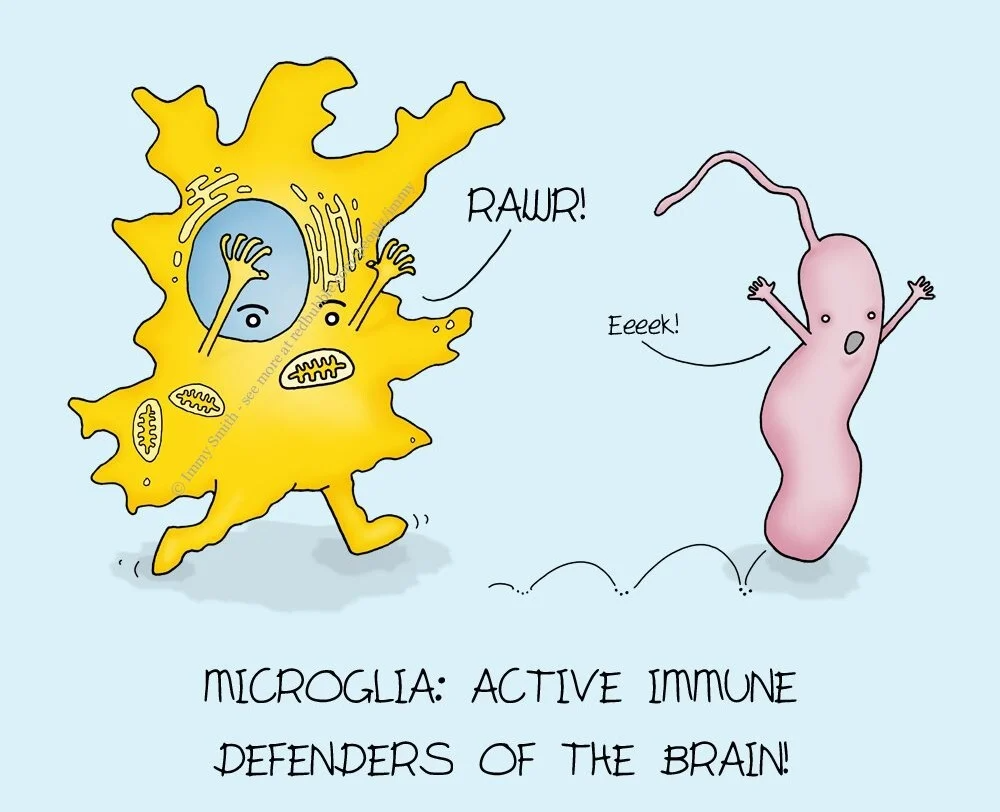
Our brains have immune cells called Microglia that sit at the center of inflammation. When the brain is inflamed state, they shift into a kind of “attack mode” known as M1 state. In this mode, they produce small proteins called cytokines, chemical messengers like TNF-α, IL-1β, and IL-6 (3).
At first, this response is meant to protect the brain. But when microglia stay switched on for too long, they start causing problems. These inflammatory signals make brain cells tired, slow communication between neurons, disrupt energy production, and gradually damage healthy brain tissue.
Research shows that 1070 nm light uniquely shifts microglia out of “attack mode” and into “repair mode,” lowering inflammatory signals while improving
- Beta-amyloid clearance
- Oxidative stress
- Neuronal survival
- Cognitive performance
The result? A calmer brain, clearer thinking and a metabolic environment primed for energy and resilience. Among PBM wavelengths, 1070nm stands out for being directly studied in relation to microglial-driven neuroinflammation (4).
Inflamed microglia = brain fog, fatigue, memory issues.
3. Enhances Blood Flow & Neurovascular Coupling
Inflammation reduces cerebral blood flow starving neurons of oxygen and nutrients. 1070nm improves:
- Nitric oxide release (5)
- Cerebral blood flow and oxygenation (6)
- Neurovascular coupling (7)
Better blood flow = better energy = better brain health.
4. Targets Mitochondria Beyond Cytochrome c Oxidase
1070 nm interacts with multiple energy producing complexes in the mitochondria (8). This multi-complex activation explains why 1070 nm often produces stronger metabolic responses in brain tissue compared to shorter NIR wavelengths. These effects are photochemical and promote mitochondrial efficiency, oxygen utilization and ATP output (9).
5. Beyond the Brain: Systemic Anti-Inflammatory Signaling
You don’t need full photon penetration for whole-body benefits, because light triggers systemic metabolic and immunological cascades, likely through free floating mitochondria. Free-floating extracellular mitochondria respond to NIR light (10,11).
Inflammation Is the Battleground Where 1070 nm Wins
If fatigue, brain fog, mood dysregulation or slow cognition are present, inflammation is nearly always part of the story.
And because 1070 nm:
- penetrates deeper
- activates more mitochondrial complexes
- shifts microglia into repair mode
- improves blood flow and oxygenation
- reduces inflammatory cytokines
- triggers systemic restorative signaling
Takeaway
Brain inflammation quietly erodes energy, focus and resilience long before symptoms appear or disease takes hold. Research shows that 1070 nm near-infrared light uniquely supports the multiple systems that calm this inflammation.
This is one of the reasons why Neuronic is built around 1070 nm light: to work with the brain’s biology, supporting clarity, resilience and long-term cognitive health.
If brain health matters to you, the future is targeted light used intentionally.
& That’s a Wrap for December!
Wishing you all a peaceful and healthy holiday period, we’re grateful to have you in our community.
Sarah & The Neuronic Team
References
- Ney, J. P., Steinmetz, J. D., Anderson-Benge, E., Gillespie, C. W., Becker, A., Steele, X., Esper, G. J., et al. (2026). US burden of disorders affecting the nervous system: From the Global Burden of Disease 2021 study. JAMA Neurology
- Jacques, S. L. (2013). Optical properties of biological tissues: A review. Physics in Medicine & Biology, 58(11), R37–R61.
- Guo, S., et al. (2022). Microglia polarization from M1 to M2 in neurodegenerative diseases. Frontiers in Immunology
- Tao, L., Liu, Q., Zhang, F., Fu, Y., Zhu, X., Weng, X., Han, H., … Wei, X. (2021). Microglia modulation with 1070-nm light attenuates Aβ burden and cognitive impairment in Alzheimer’s disease mouse model. Light: Science & Applications
- Poyton, R. O., & Ball, K. A. (2011). Therapeutic photobiomodulation: Nitric oxide and a novel function of mitochondrial cytochrome c oxidase. Discovery Medicine
- Henderson, T. A., & Morries, L. D. (2015). Near-infrared light penetration into the human brain. Neuropsychiatric Disease and Treatment.
- Salehpour, F., Mahmoudi, J., Kamari, F., Sadigh-Eteghad, S., Rasta, S. H., & Hamblin, M. R. (2018). Brain photobiomodulation therapy: a narrative review. Molecular Neurobiology.
- Ravera, S., Ferrando, S., Agas, D., De Angelis, N., Raffetto, M., Sabbieti, M. G., Signore, A., & Benedicenti, S. (2019). 1064 nm Nd:YAG laser light affects transmembrane mitochondria respiratory chain complexes. Journal of Biophotonics.
- Wang, X., Tian, F., Reddy, D. D., Nalawade, S. S., Barrett, D. W., Gonzalez-Lima, F., & Liu, H. (2017). Up-regulation of cerebral cytochrome-c-oxidase and hemodynamics by transcranial infrared laser stimulation: A broadband near-infrared spectroscopy study. Journal of Cerebral Blood Flow & Metabolism.
- Miliotis, S., Nicolalde, B., Ortega, M., Yepez, J., & Caicedo, A. (2019). Forms of extracellular mitochondria and their impact in health. Mitochondrion
- Rono, C., & Oliver, T. R. (2020). Near infrared light exposure is associated with increased mitochondrial membrane potential in retinal pigmented epithelial cells. Photochemical & Photobiological Sciences

Neuronic LIGHT
$1,795excl. sales tax
At-home near-infrared brain stimulation designed to support clarity, focus, and long-term cognitive wellness.
- 90-Day Return Policy
- Backed by Research
- Free Shipping
- One Year Warranty