5 Nutrients for Concussion Support Explained
![[object Object]](https://cdn.sanity.io/images/h29o7kl4/staging/0c0476690b5e49f9a375deb663c4d52aa39fa8e2-352x351.heif?w=352&q=80&auto=format&fit=max)
5 Nutrient Factors Researchers Are Exploring for Concussion Support
This article was written by the team at MyConcussionDr. as part of an educational collaboration exploring nutritional factors in concussion recovery.
Recovering from a concussion leaves patients, families, and clinicians grappling with tough questions: How does the brain truly heal? When will I return to normal?
While medical evaluation, rest, and structured rehabilitation remain central to the process, researchers continue exploring the many biological factors that influence how the brain heals and adapts following injury. Among these areas of interest is nutrition, specifically how certain nutrients may interact with the brain’s natural systems involved in cellular repair, energy production, and inflammatory balance.
Although no nutrient has been proven to treat or cure a concussion, the growing body of research has sparked curiosity about how nutritional factors might support overall brain health during recovery when used alongside appropriate medical care. This ever-evolving field sits at the intersection of neuroscience and rehabilitation science, offering new perspectives on how the brain responds after a head injury.
Why People Look for Supplements for Concussion Recovery
When symptoms linger, many families and athletes start searching online for “concussion supplements” or “natural ways to support brain healing.” In response, concussion research has expanded to examine potential nutritional factors involved in recovery. It is understandable to want something active to do while the brain works through its own recovery process.
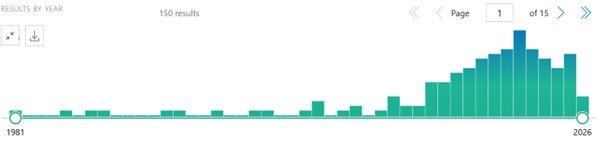
PubMed results for search query of “concussion supplements”, showing more publications on this topic in recent years (Image Source: PubMed).
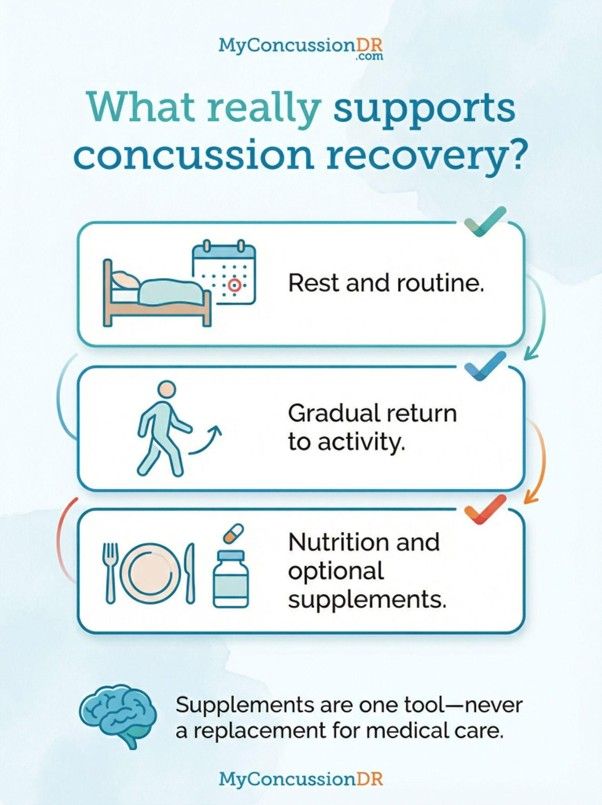
Clinical guidelines still place medical evaluation, symptom‑guided rest, gradual return to activity, sleep, and overall nutrition at the center of concussion care. Nutritional supplements, when used thoughtfully, may play a supportive role for some people, but they are not a substitute for diagnosis, monitoring, or rehabilitation.
What Research Actually Says about Supplements and Mild TBI
Recent reviews regarding nutrition and mild traumatic brain injury (mTBI) suggest that specific nutrients may support healthy brain function and the body’s natural stress response following a head impact.
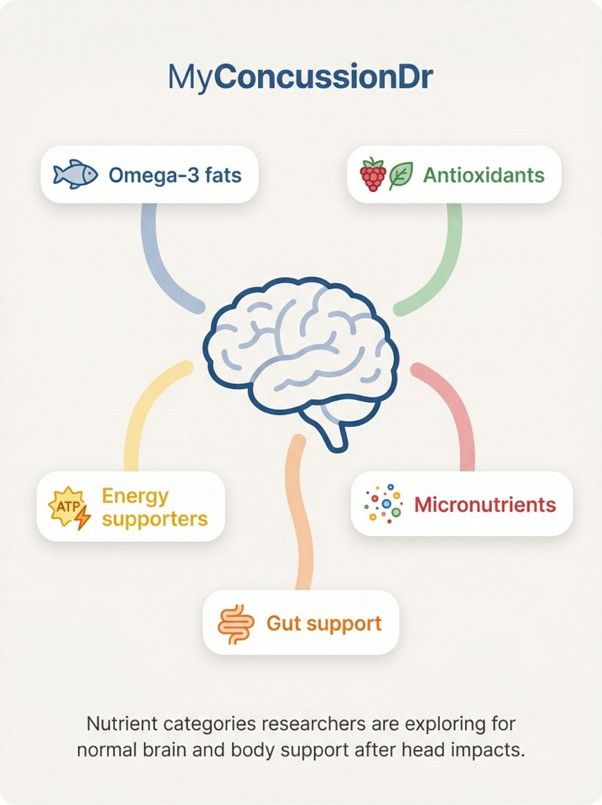
Consequently, experts generally categorize supplements as adjunctive support intended to aid the recovery process. Below are five nutrient categories currently being explored by researchers. For a comprehensive look at how daily dietary choices impact recovery, you can refer to this nutrition overview..
What Are The Best Supplements for Concussion Recovery?
1. Omega‑3 fatty acids: Supporting cellular membranes and inflammation balance
Omega‑3 fatty acids, especially Docosahexaenoic acid (DHA) and Eicosapentaenoic acid (EPA), are structural components of brain cell membranes and play a role in normal inflammatory balance. After head impacts, researchers have asked whether higher omega‑3 intake might help support the brain’s natural responses to mechanical stress and inflammation.
- Animal and early human studies suggest omega‑3s may help maintain membrane stability and support neuroprotective pathways after brain injury (Bailes & Mills, 2010; Lewis, 2017; Zhang et al., 2018; Li et al., 2020).
- A 2025 information paper for the U.S. Military Health System notes growing interest in omega‑3 supplements for mild TBI, but emphasizes that evidence is still insufficient for formal recommendations and that safety and dosing need individualized review (Defense Health Agency, 2025).
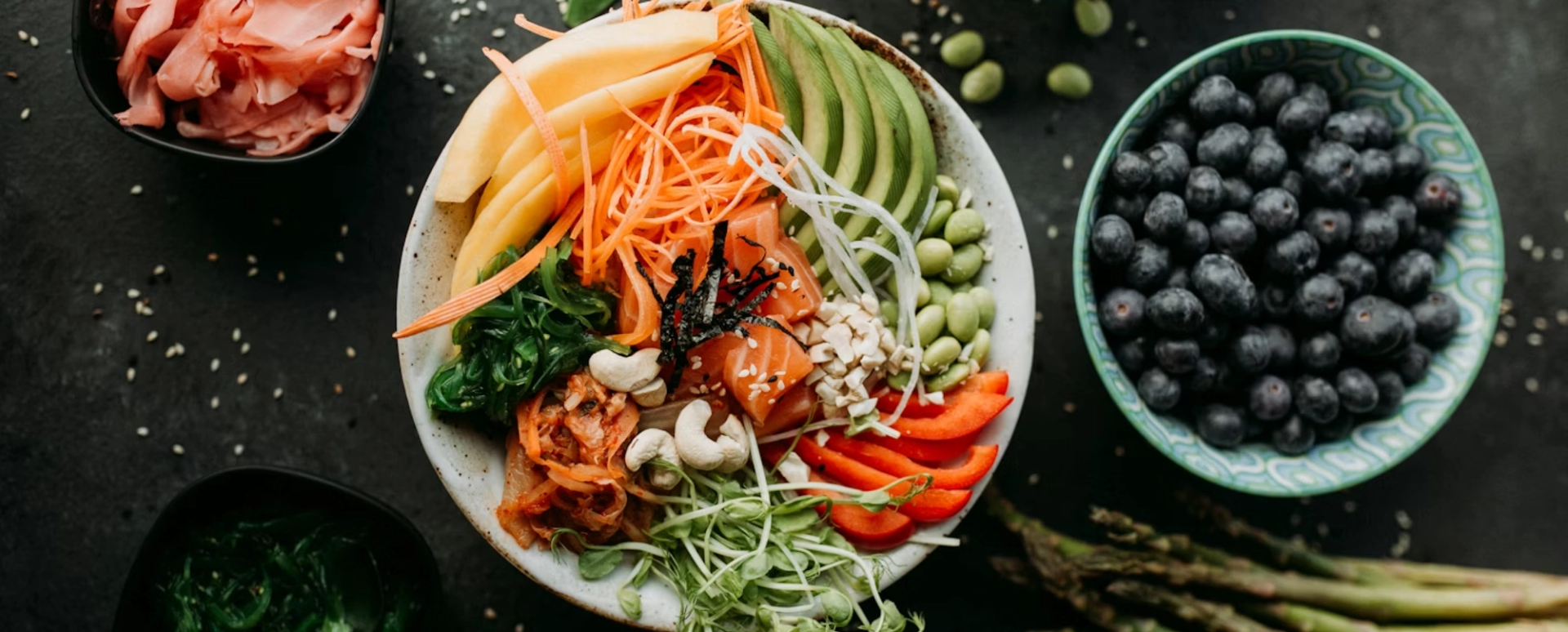
In everyday life, omega‑3s appear in fatty fish (such as salmon, sardines, mackerel), some plant sources (flax, chia, walnuts), and in formulated supplements.
2. Antioxidant‑rich nutrients: Helping the body respond to oxidative stress
Oxidative stress refers to an imbalance between free radicals and antioxidant defenses, which can result in cellular damage, inflammation, and impaired brain recovery processes like those seen in concussion. Head impacts are thought to increase oxidative stress, which is why antioxidant nutrients are receiving attention in concussion research.
Nutrients and compounds often discussed include:
- Vitamins C and E, which contribute to the protection of cells from oxidative damage.
- Polyphenols, such as resveratrol and flavonoids found in berries, cocoa, and certain herbs.
- Curcumin, a component of turmeric, which in preclinical models has shown potential to modulate oxidative and inflammatory pathways.
Reviews highlight that:
- Most strong data on antioxidants and brain injury come from animal or cell models.
- Human trials are limited, sometimes mixed, and often involve multiple ingredients at once.
In practice, many clinicians encourage patients to prioritize a colorful, plant‑forward eating pattern as the foundation for antioxidant support, then consider targeted supplements when appropriate. MyConcussionDr also explains how anti‑inflammatory foods rich in antioxidants can support brain health after a head injury.
3. Creatine and Cellular Energy Supporters
One of the best described phenomena after concussion is a temporary “energy crisis” in brain cells, where energy demand rises while efficient energy production becomes more difficult. Creatine is a compound stored in muscle and brain that helps buffer cellular energy by supporting ATP recycling.
Studies exploring creatine and related energy‑supporting nutrients have found that (Sakellaris et al., 2006; Dolan et al., 2017; NCBI, 2011):
- In animal models of traumatic brain injury, creatine supplementation has sometimes been associated with improved tissue and functional outcomes.
- Small human studies, including work in children with TBI, suggest creatine might support aspects of cognitive and physical function, but sample sizes are modest and protocols vary.
Because creatine interacts with kidney function and other physiological systems, it is not appropriate for everyone, and any use after brain injury should be supervised by a healthcare professional.
4. Magnesium, Vitamin D: Micronutrients
Several micronutrients have been studied for their potential roles in post‑concussion symptom management, particularly sleep disturbance, headaches, and mood. Among them:
- Magnesium participates in normal nerve signaling, muscle relaxation, and sleep regulation. Some small studies suggest it may have a role in headache management and neuroprotection.
- Vitamin D is involved in immune modulation and brain function; low vitamin D levels are common in the general population and may be addressed as part of overall health, including in people with mTBI.
If you are specifically curious about vitamin D and head injury, MyConcussionDr has an educational article on how vitamin D supports resilience after concussion.
Current reviews emphasize that correcting post-injury deficiencies and supporting normal ranges is reasonable under medical supervision.
5. Gut‑Supportive Nutrients and Patterns
The connection between the gut and brain, sometimes called the gut‑brain axis, is increasingly discussed in the context of mood, inflammation, and recovery after mild TBI. Research suggests (Jiang et al., 2019; Armstrong et al., 2021; Nwafor et al., 2025):
- Changes in the gut microbiome may influence systemic inflammation and neuroinflammation.
- Diet patterns rich in fiber, diverse plant foods, and healthy fats are associated with better brain and cardiovascular health in general populations.
Researchers are currently investigating how probiotics, prebiotics, and specific fibers may help maintain immune balance and support effective communication within the gut-brain axis.
For most individuals, focusing on whole‑diet patterns, hydration, and regular meals is the starting point. Gut‑supportive nutrients can be layered in, ideally with guidance from a clinician or dietitian, especially if there are digestive symptoms alongside concussion.
Modern brain-health formulations are beginning to include specific nutrients designed to maintain a healthy gut barrier and balance the body's inflammatory response, a strategy rooted in the evolving science of the gut-brain axis.
Where Concussion911 Fits into the Bigger Toolbox
Concussion911 was formulated to bring together several of the nutrient categories described above into a single supplement, intending to support normal brain energy metabolism, antioxidant defenses, and inflammation balance after a head impact. It is intended as an early, over‑the‑counter option for individuals who want to support their overall brain and body response during a vulnerable period.
Rather than focusing on a single ingredient, the idea behind the formula is to combine multiple nutrient pathways that may work together to support the body’s normal response during a time when the brain may be under extra physiological demand. For some individuals, having these nutrients together in one place can make it easier to incorporate nutritional support as part of a broader recovery approach.
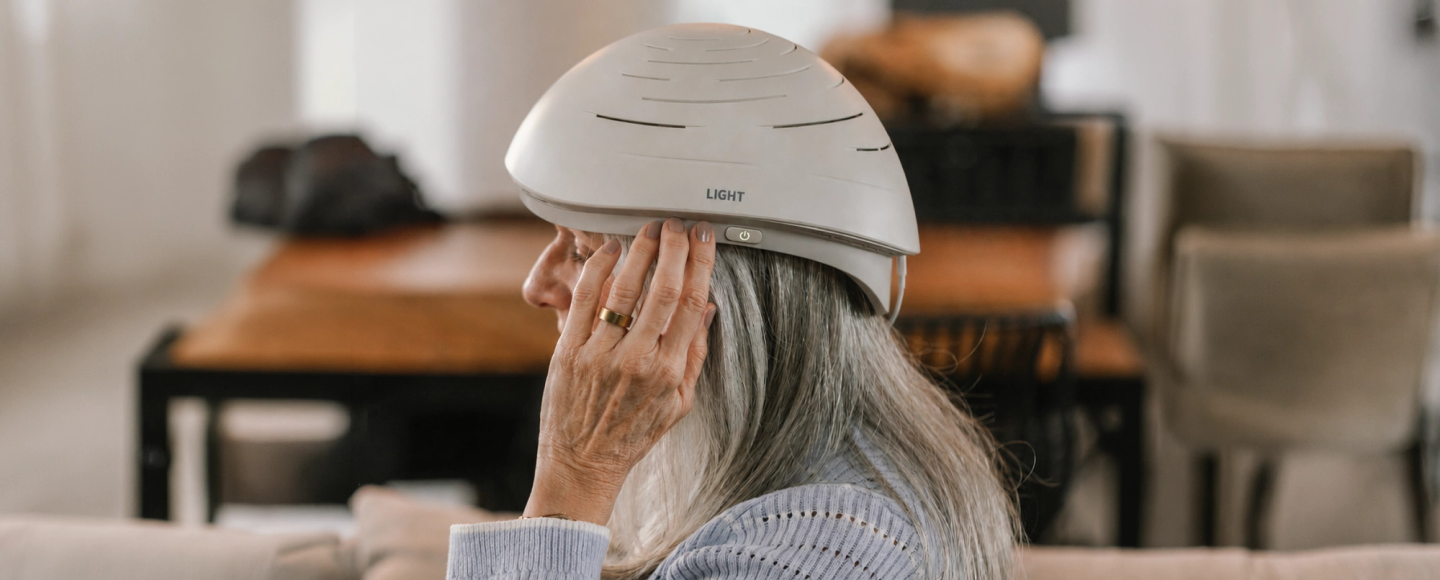
Concussion911 is one of many tools that are available to promote optimized brain health, including post injury. While this addresses the nutritional side of brain health, light-based technologies, such as those offered by Neuronic, represents a growing area of science focused on supporting brain function and recovery through photobiomodulation. When used as part of a broader, guided recovery strategy, these approaches may work together in ways that neither can achieve alone.
FAQs
1. What are the best supplements for concussion recovery?
Research has focused on nutrients like omega‑3 fats, antioxidants, creatine, magnesium, vitamin D, and gut‑supportive compounds, but they are best viewed as potential adjuncts to standard care, not replacements.
2. Is omega‑3 good for concussion recovery?
Omega‑3 fatty acids are important for normal brain structure and inflammation balance, and early studies suggest they may have neuroprotective potential after head impacts. However, omega‑3s should be used under professional guidance, especially if you take blood‑thinning medications or have other health concerns.
3. Are supplements necessary for concussion recovery?
Optimal recovery is often achieved through an active rehabilitation strategy rather than a passive "rest and wait" approach. It is essential to seek a professional clinical evaluation and consider evidence-based therapeutic interventions, such as nutritional supplements, chiropractic care, vestibular therapy, and light-therapies.
4. Can I take supplements instead of seeing a doctor after a head injury?
No. Supplements cannot replace medical evaluation after a head injury. New or worsening symptoms such as repeated vomiting, severe headache, confusion, difficulty speaking, weakness, or changes in behavior require urgent medical attention, even if you are already taking nutritional products.
This article is for educational purposes only. It does not diagnose, treat, cure, or prevent any disease and should not be used as a substitute for personalized medical advice. Always consult a licensed healthcare professional after a head injury and before starting any new supplement or nutritional product.
References
Casazza K, Swanson E. Nutrition as Medicine to Improve Outcomes in Adolescents Sustaining a Sports-related Concussion. Explor Res Hypothesis Med. 2017;2(4):122-130. doi: 10.14218/ERHM.2017.00029
Finnegan, E., Daly, E., Pearce, A. J., & Ryan, L. (2022). Nutritional interventions to support acute mTBI recovery. Frontiers in nutrition, 9, 977728. https://doi.org/10.3389/fnut.2022.977728
Giraldo, J. E., Bonilla, D. A., Bedoya, L. F., Hoyos, K. F., Velasquéz, S. G., Márquez, M. M., & Petro, J. L. (2025). Neuroprotective effects of creatine supplementation in mild TBI management among contact sport athletes: A scoping review. Journal of the International Society of Sports Nutrition, 22(Suppl 1), 2533681. https://doi.org/10.1080/15502783.2025.2533681
Heileson, J. L., Wallace, R.B., Sergi, T.E., Rittenhouse, M.A., & Peoples, G.E. (2025). The omega-3 index in military personnel: a systematic review, Military Medicine, 190(9-10):e1835–e1843, https://doi.org/10.1093/milmed/usaf105
Lucke-Wold, B., Zasler, N. D., Ruchika, F., Weisman, S., Le, D., Brunicardi, J., … Aghili-Mehrizi, S. (2025). Supplement and nutraceutical therapy in traumatic brain injury. Nutritional Neuroscience, 28(6), 709–743. https://doi.org/10.1080/1028415X.2024.2404782
Memudu, A.E., Alex, G.S., Ihunwo, A.O. (2024). Creatine and TBI. In: Mohamed, W. (eds) Nutrition and Traumatic Brain Injury (TBI). Nutritional Neurosciences. Springer, Singapore. https://doi.org/10.1007/978-981-97-6341-2_9
Naveed, S., Lakka, T., & Haapala, E. A. (2020). An Overview on the Associations between Health Behaviors and Brain Health in Children and Adolescents with Special Reference to Diet Quality. International Journal of Environmental Research and Public Health, 17(3), 953. https://doi.org/10.3390/ijerph17030953
Patricios JS, Schneider KJ, Dvorak J, et al. Consensus statement on concussion in sport: the 6th International Conference on Concussion in Sport–Amsterdam, October 2022, British Journal of Sports Medicine; 57:695-711.
Valero-Hernandez, E., Tremoleda, J. L., & Michael-Titus, A. T. (2024). Omega-3 Fatty Acids and Traumatic Injury in the Adult and Immature Brain. Nutrients, 16(23), 4175. https://doi.org/10.3390/nu16234175
Bailes, J. E., & Mills, J. D. (2010). Omega‑3 fatty acids as a putative treatment for traumatic brain injury. Neurosurgery, 66(4), E627–E628. https://doi.org/10.1227/01.NEU.0000369391.08996.A0
Lewis, M. (2017). Use of omega‑3s in traumatic brain injury. Clinics in Surgery, 2, 1449. Retrieved from https://www.clinicsinsurgery.com/full-text/cis-v2-id1449.php
Sakellaris, G., Kotsiou, M., Tamiolaki, M., Anastasopoulos, I., Tsapakis, E. M., Karkanias, G., … Evangeliou, A. (2006). Prevention of complications related to traumatic brain injury in children and adolescents with creatine administration: An open label randomized pilot study. Journal of Trauma, 61(2), 322–329.
Dolan, E., Artioli, G. G., Pereira, R. M. R., & Gualano, B. (2017). Potential for use of creatine supplementation following mild traumatic brain injury. Concussion, 2(3), CNC35.
National Research Council. (2011). Creatine. In Nutrition and Traumatic Brain Injury: Improving Acute and Subacute Health Outcomes in Military Personnel (pp. 223–246). National Academies Press, Washington, DC Armstrong, D., Ojo, J., & Sandhu, R. (2021). Brain‑gut axis dysfunction in the pathogenesis of traumatic brain injury. Journal of Clinical Investigation, 131(12), e143777.
Jiang, X., Kaffman, A., Brodkin, E. S., et al. (2019). Gut microbiota as a therapeutic target to ameliorate the biochemical, neuroanatomical, and behavioral consequences of traumatic brain injury. Frontiers in Neurology, 10, 875. https://doi.org/10.3389/fneur.2019.00875
Nwafor, D. C., Acharya, M. M., & Patel, R. K. (2025). The gut‑brain axis in traumatic brain injury: Literature review. Current Opinion in Neurology. [Epub ahead of print].

Subscribe for insights, tips, offers & more.
By signing up, you accept our privacy policy. Your personal data will be processed so that we can contact you about our products. Read our Privacy Policy for more information.