7 Proven Monetization Models for Transcranial Photobiomodulation (tPBM) in Your Practice
![[object Object]](https://cdn.sanity.io/images/h29o7kl4/staging/0c0476690b5e49f9a375deb663c4d52aa39fa8e2-352x351.heif?w=352&q=80&auto=format&fit=max)
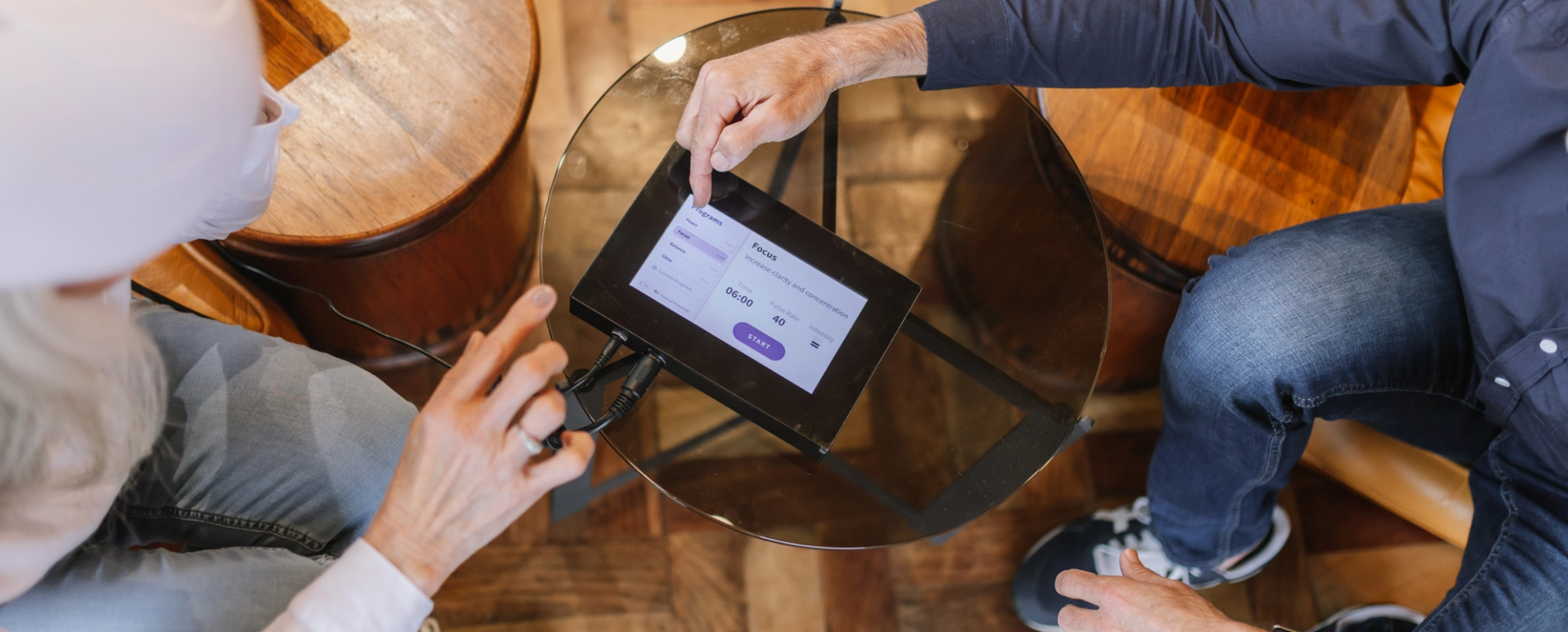
If you’re exploring transcranial photobiomodulation (tPBM) as a therapeutic tool, you already understand the value it offers in enhancing brain function, improving mood, and supporting neuroplastic recovery. Since tPBM addresses foundational biological processes, providers across various disciplines such as psychologists, functional medicine doctors, chiropractors, and neurofeedback providers alike find this a helpful adjunctive therapy.
But here’s the big question for most practice owners:
How do I monetize it sustainably?
Good news: Whether you run a high-volume clinic or a boutique brain optimization practice, here are 7 monetization models you can plug in immediately (or stack together) to increase revenue, improve client retention, but most importantly, increase client outcomes.
1. Session-Based Pay-Per-Use Model
Best for: Practices just starting with one device, or clinics already offering à la carte services like neurofeedback, IV therapy, or red light therapy.
Sample monthly revenue for 3 clients: Assuming you are seeing 3 clients twice per week…

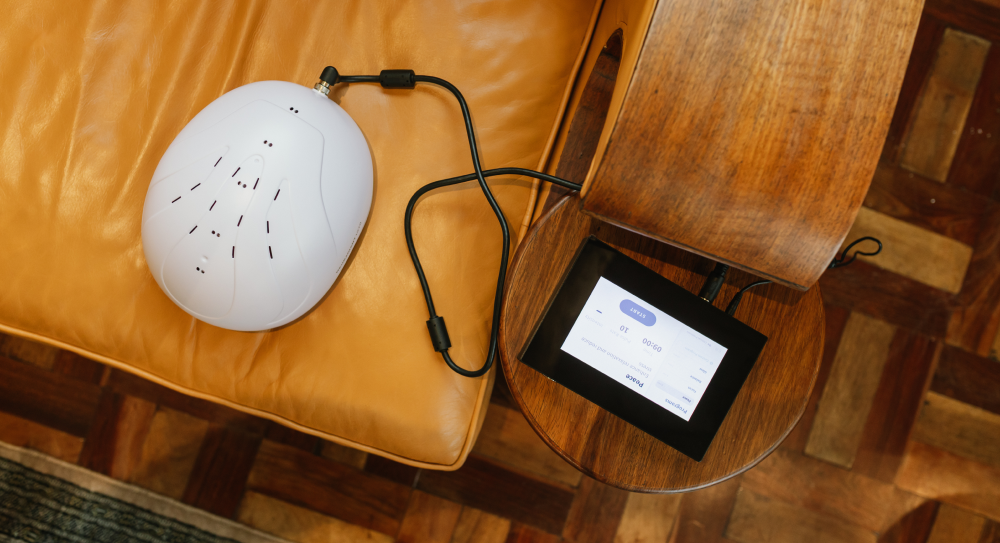
If you are using the Neuronic LIGHT that is retailed at $1795 USD under this model, that means you will breakeven for the cost of a device after 2-3 months.

2. Package Model
Offer tPBM as part of a pre-built package or clinical protocol - such as a 10-session cognitive recovery plan or a neuroenhancement program. Depending on your client demographic, 10 session packages can range anywhere from $300 to $600.
Sample monthly revenue for 3 clients: Assuming you have 3 clients with a single 10-session package…

This structure:
- Increases upfront cash flow
- Improves compliance and outcomes
- Creates higher perceived value
Best for: Functional medicine doctors, chiropractors, or neuro-rehab providers. Providers that see their clients for stretches at a time.

3. Subscription & Membership Tiers
Think: “Brain Gym Membership.”
Offer unlimited or tiered access to tPBM and other brain health modalities (2x/week, 3x/week, etc.) for a monthly fee.
Memberships create predictable recurring revenue and foster loyalty.
Best for: Wellness centers, biohacking clinics, or concierge practices looking to stabilize cash flow and build long-term client engagement.
4. Bundled with Other Modalities
tPBM pairs beautifully with:
- Neurofeedback
- Cognitive behavioral therapy
- Functional neurology
- PEMF or red light therapy
- Any other session-based modalities
By bundling, you:
- Increase your per-session value
- Improve therapeutic synergy
- Command premium pricing
Best for: Clinics offering brain-first care that want to create unique treatment protocols, or any centers opening a brain health program involving a combination of modalities.

5. Affiliate Device Sales
Some tPBM devices can be sold directly to clients for home use and you receive affiliate commission that can range between 10 - 20% depending on the company you work with and when clients use your unique code, they receive $100 off their purchase.
Best for: Coaches, virtual practices, or any provider with a remote or hybrid client base, or any one-off sale.
6. Device Rentals
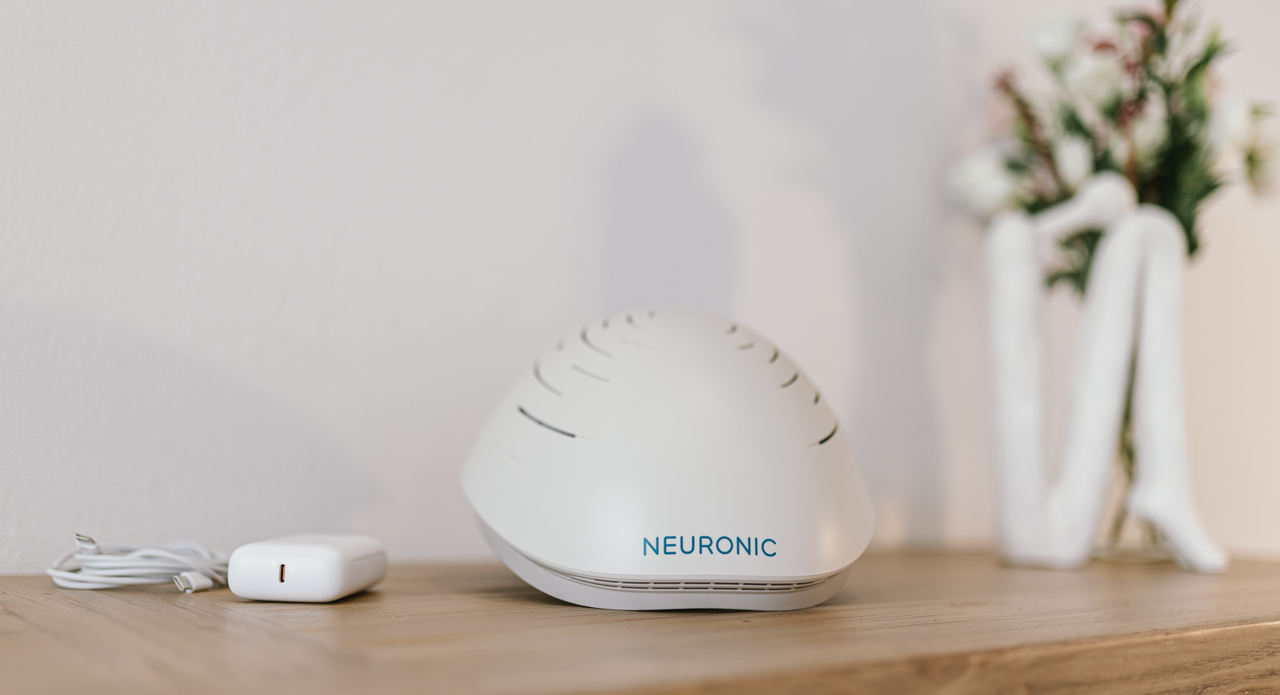
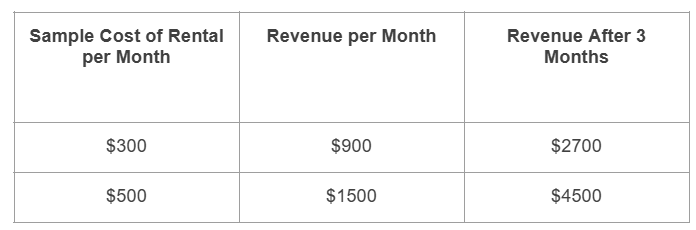
tPBM becomes the flagship tech in an elite brain performance package for executives, athletes, or high-performers. Depending on the trust built with your clients, a rental model may be helpful as a revenue model with recurring monthly income. Rentals can range between $300-500 per month.
Best for: Clients who require short term use of tPBM, or trusted clients who want to try out the device before purchase.
Sample monthly revenue per client: Assuming you have 3 renting per month…
7. Commercial Retailing
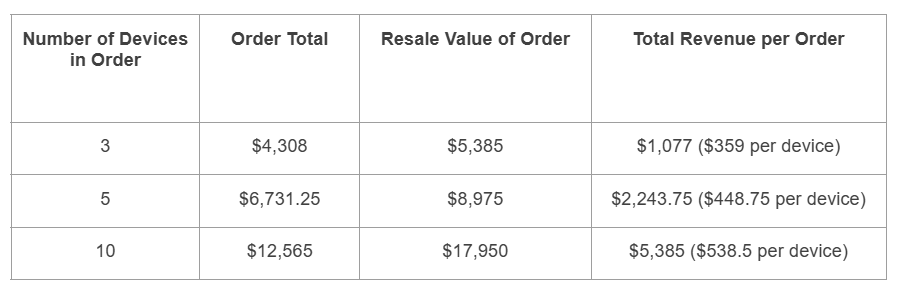
Best for: Practices with large clientele population, and clients interested in purchasing a device for at-home use.
Sample bulk ordering discounts…
Final Thoughts:
tPBM isn’t just a therapy - it in most of the cases it offers a host of benefits for the clinic as well as client.
Done right, it can add a few thousand dollars per month to a solo practice, all while improving patient outcomes and the effectiveness of additional modalities.
Whether you’re looking for recurring revenue, high-ticket offers, or simple session-based monetization - there’s a model that fits.
Want help picking the right model for your practice type and patient base?
or
Book a Free Strategy Call with Our Team

Subscribe for insights, tips, offers & more.
By signing up, you accept our privacy policy. Your personal data will be processed so that we can contact you about our products. Read our Privacy Policy for more information.