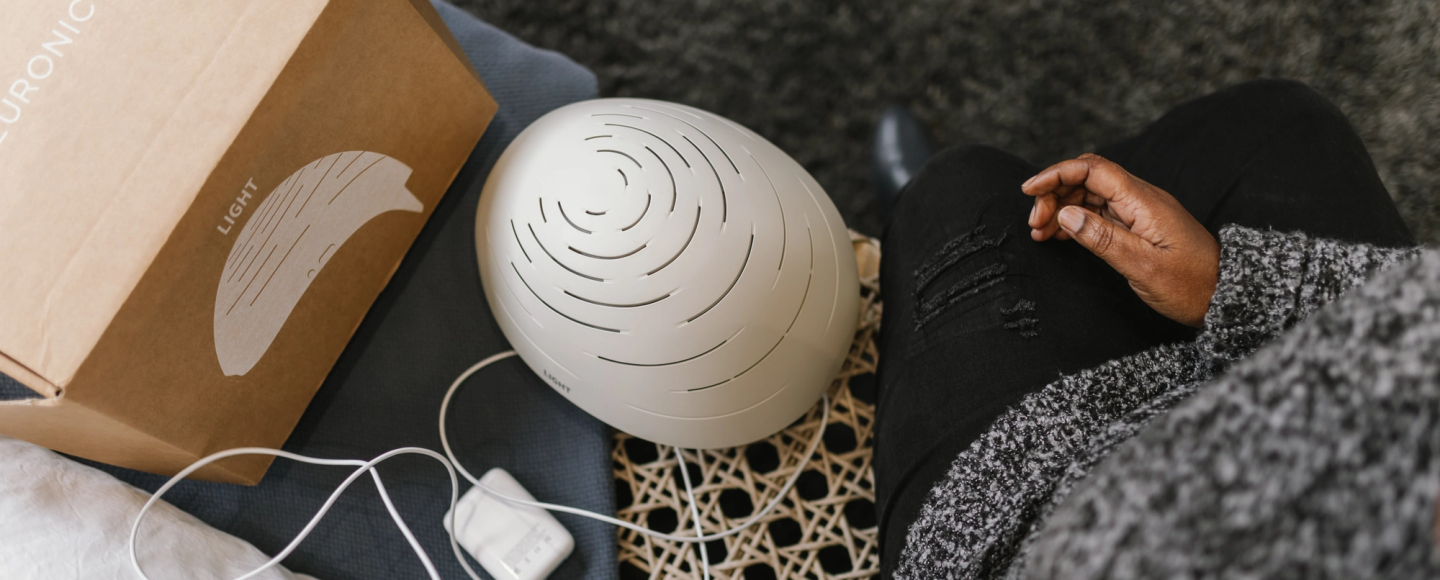
Before & after using tPBM, for an individual with hEDS & POTS.
![[object Object]](https://cdn.sanity.io/images/h29o7kl4/staging/ff53226fede55001781c911b5171e43dd7477ade-795x795.webp?w=795&q=80&auto=format&fit=max)
A Photobiomodulation Client Story
You may feel like you’ve tried everything — supplements, medications, specialists, lifestyle changes — yet you’re still dealing with fatigue, brain fog, or nervous system dysregulation.
Before diving into the clinical details, we want to introduce you to Mary (name changed for anonymity).
Mary is a 30-year-old woman whose life gradually became smaller as her health declined.
Once independent and active, she reached a point where even standing up felt dangerous. Leaving the house alone was impossible. Simple daily tasks most people take for granted — walking up stairs, lifting her arms, driving — triggered fainting, tachycardia, and collapse.
Today, we want to share her story.
Mary’s Health Journey Before Photobiomodulation
Mary’s health challenges didn’t begin overnight. They unfolded slowly, starting early in life and becoming more complex with time.
Early History and Progressive Decline
As a child, Mary experienced early brain trauma, later confirmed by MRI imaging showing injury to her frontal lobe. Through adolescence, her nervous system began to change. What started as subtle symptoms gradually evolved into progressive autonomic dysfunction.
After years of searching for answers, Mary was diagnosed with hyperadrenergic POTS following extensive evaluation at the Mayo Clinic. But this diagnosis was only one part of a much larger and more complex picture.
Compounding Conditions and Daily Reality
Alongside POTS, Mary developed overlapping conditions that further destabilized her nervous system:
- Progressive autonomic dysfunction beginning in adolescence
- Co-existing features of MCAS and hypermobile Ehlers-Danlos syndrome
- Severe orthostatic intolerance, tachycardia, syncope, blood pooling, and migraines
- Daily non-epileptic convulsive episodes and severe gastrointestinal dysfunction
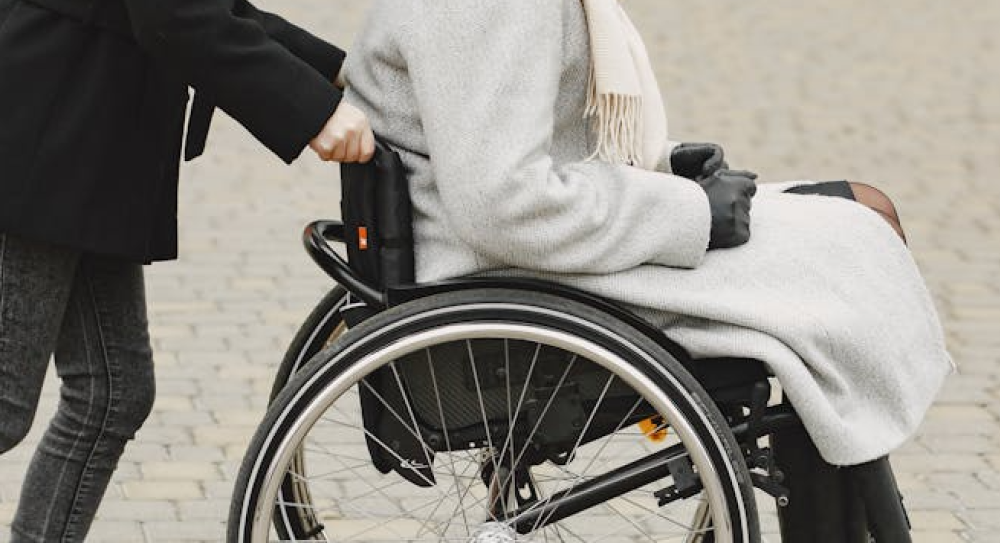
- Post-COVID deterioration resulting in bed-bound and wheelchair dependence
What little independence remained was eventually lost.
Despite medication trials and specialist care, her symptoms continued to worsen.
Introducing Photobiomodulation (PBM)
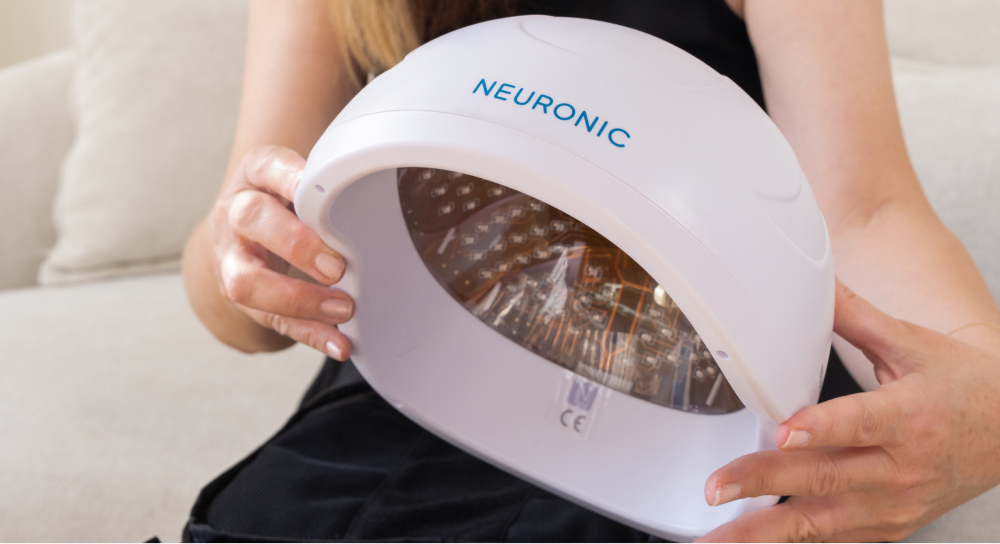
PBM Initiated at Age 29
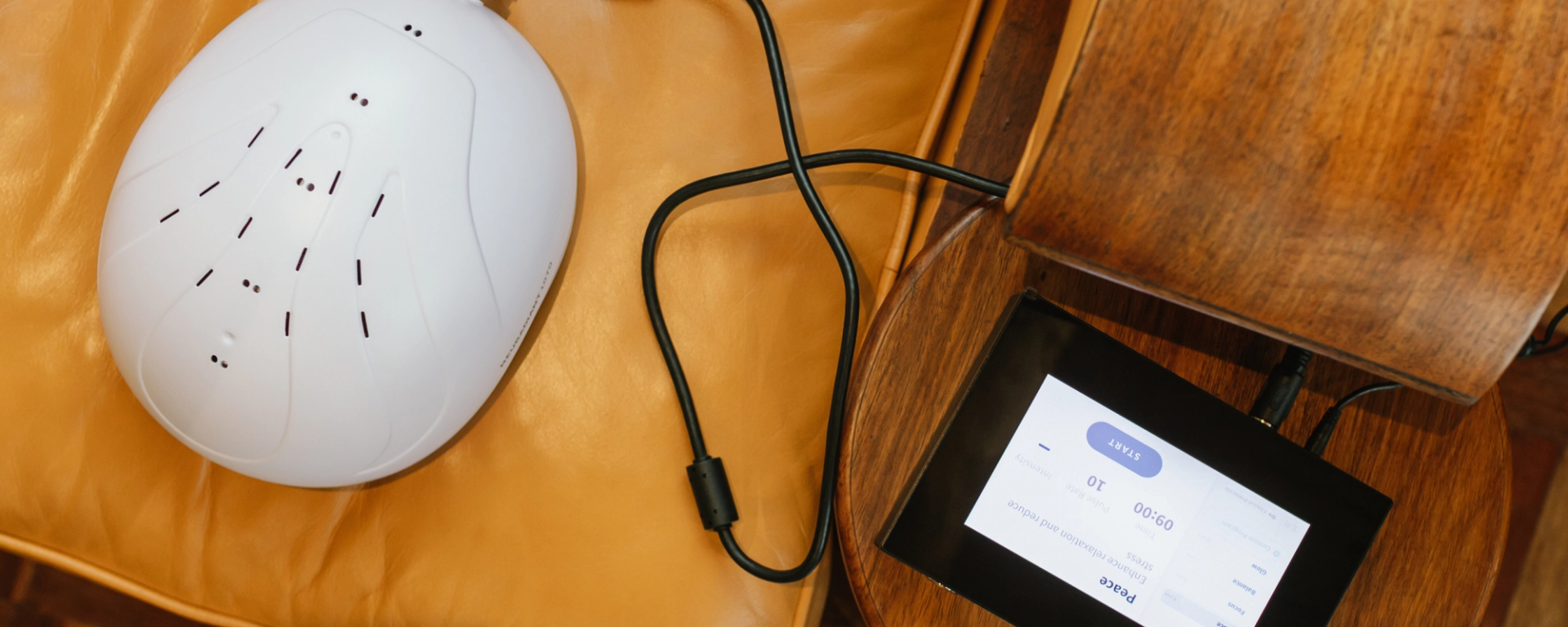
Mary reported a noticeable increase in energy and autonomic stability within minutes of her first session using the Neuradiant 1070.
“Within minutes of my first session, I experienced a noticeable increase in energy and autonomic stability — something I had never felt with any previous treatment.”
Early and Ongoing Benefits of PBM
Reported Improvements
With continued daily PBM use, Mary experienced:
- Improved sleep quality
- Increased energy and exercise tolerance
- Reduced brain fog and cognitive fatigue
- Greater autonomic stability
- Improved memory and mental clarity
Functional Recovery After Four Months

After four months of consistent PBM use, Mary regained abilities she had lost for years:
- Independent driving restored
- Able to walk daily and complete errands
- Returned to social activities
- No longer required constant supervision
Mary’s Current Status at Age 30
Today, Mary’s POTS is largely controlled. While symptoms related to MCAS and hypermobile Ehlers-Danlos syndrome persist, her overall function and autonomic stability are the best they have been since illness onset, with a dramatically improved quality of life.
“With daily PBM use, my energy, sleep quality, and exercise tolerance improved within weeks. Over the following months, brain fog lifted, memory improved, and my autonomic symptoms became significantly more stable.
Within four months, I was able to drive independently, walk daily, complete errands, return to social activities, and function without constant supervision — capabilities that had been impossible for years.” — Mary
Why This Story Matters
For Mary, this wasn’t about managing symptoms, it was about getting her life back.
While photobiomodulation is not always a cure, for her it was the first intervention that helped restore nervous system stability and independence after years of decline.
Being able to drive again, walk daily, and live without constant supervision marked a turning point she once believed was impossible.
Stories like Mary’s are why we do the work we do at Neuronic.

Neuronic LIGHT
$1,795excl. sales tax
At-home near-infrared brain stimulation designed to support clarity, focus, and long-term cognitive wellness.
- 90-Day Return Policy
- Backed by Research
- Free Shipping
- One Year Warranty