Will Your New Year’s Resolutions Fail? Because 88% Do
![[object Object]](https://cdn.sanity.io/images/h29o7kl4/staging/ff53226fede55001781c911b5171e43dd7477ade-795x795.webp?w=795&q=80&auto=format&fit=max)
Happy New Year!
Every January it's the same: big intentions that don't always go to plan.
Most of us have tried to “start fresh” enough times to know how this usually goes. So when people hear terms like light therapy for the brain or photobiomodulation, it’s understandable that it gets lumped in with whatever wellness trend is loudest right now.
But here’s why we're actually writing today:
Light therapy isn't new, and it's not a fad.
What is new is our ability to study it properly.
Today, we can deliver light using specific wavelengths and parameters, and measure its effects using real brain biomarkers instead of guesswork.
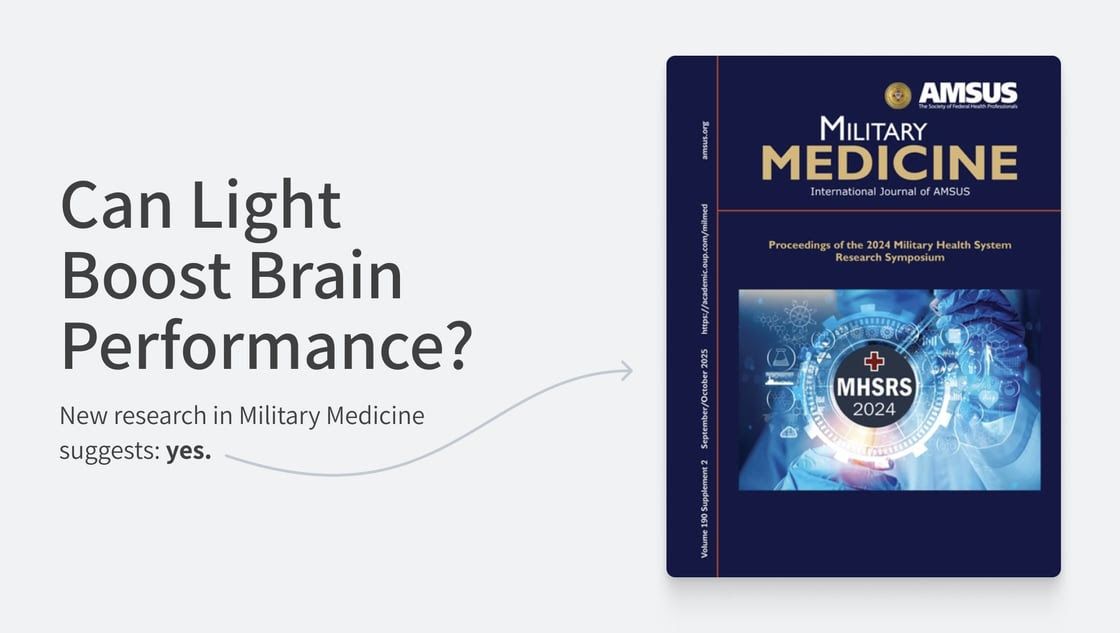
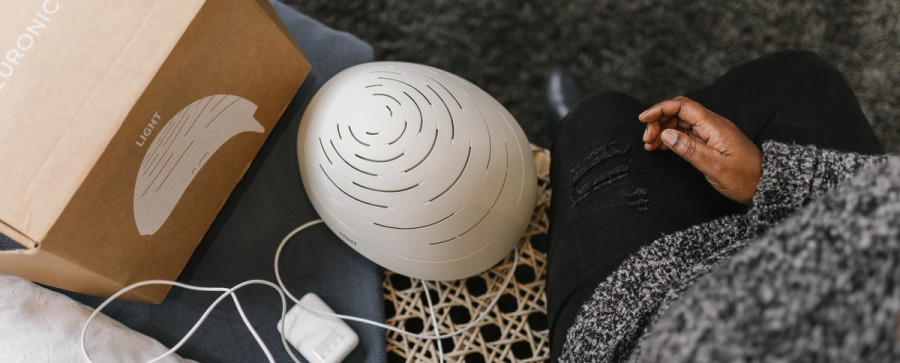
In a recent study published in Military Medicine, near-infrared light delivered to the brain using Neuronic devices was associated with measurable improvements in cognitive performance, alongside changes in pupil responses (a well-established marker of alertness and attention).
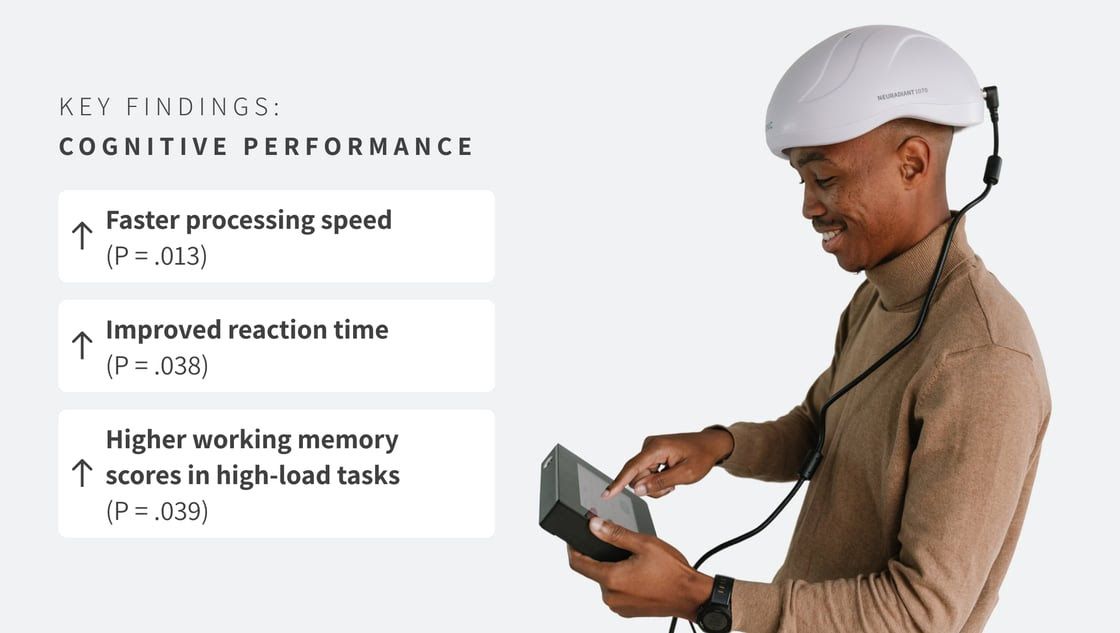
This work shows that photobiomodulation can now be studied using real, measurable brain biomarkers, and that future integration of tools such as qEEG or brain oxygenation measures will allow even more precise tracking of how light alters brain function. This matters because it moves light therapy out of the realm of trends — and into measurable neuroscience.
Light has been used medically for decades:
- Seasonal Affective Disorder
- Neonatal jaundice
- Dermatology
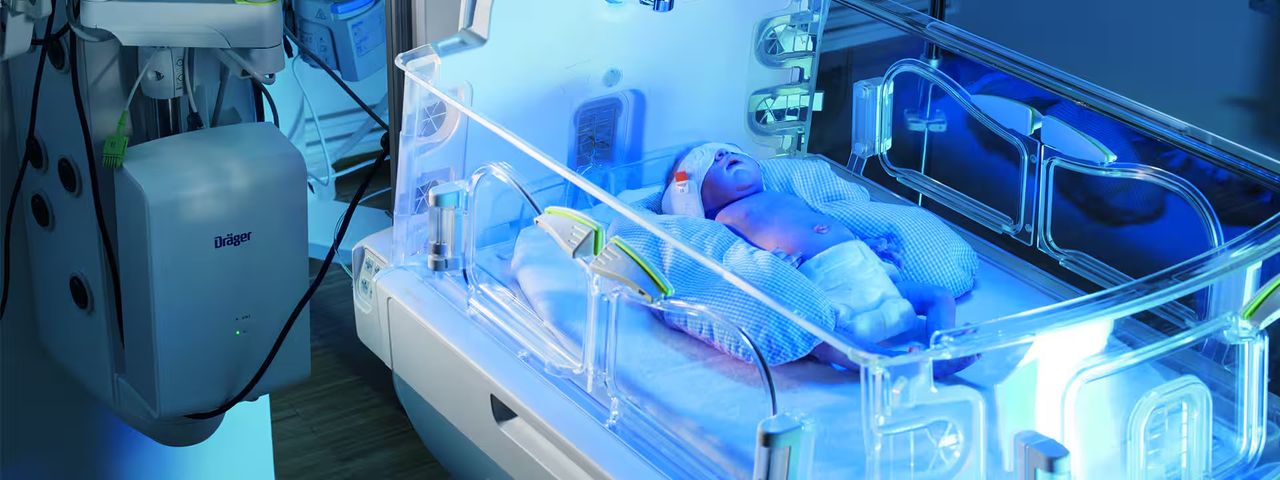
Phototherapy being used in the treatment of Neonatal Jaundice.
And none of this is considered 'alternative.' Brain health is simply the next frontier in a broader trend.
So Why Does This Matter Right Now?
Because we’re facing rising cognitive decline, increasing neuroinflammation, and mounting neurodegenerative risk with very few non-invasive tools accessible that support brain energy at the source.
And here’s the connection most people miss:
Habits don’t fail because of weak motivation.
They fail because the brain runs out of energy. When the brain is metabolically strained, effort feels expensive. Self-regulation drops. Motivation fades. That’s why 88% of New Year’s resolutions don’t last.
Neuroscience shows that habits stick when:
- the effort is low
- the energy cost is manageable
- consistency matters more than intensity
Over time, behaviors shift from effortful decisions to automatic patterns — from “I have to do this,” to “this is just what I do.” That’s the level where real change happens.
So if you’re setting intentions this year, our suggestion is simple:
- Start smaller than you think you need to.
- Support your brain’s energy (sleep, nutrition, light).
- Design habits your biology can actually sustain.
At Neuronic, we’re not interested in hacks or shortcuts. We care about mechanism, measurement, and meaning — and about supporting long-term brain health in ways that actually last.
Thanks for being here with us!
Get Your Custom PBM Integration Strategy – Built for Clinicians and Other Professionals
In 15 minutes, you’ll walk away with a clear plan to implement PBM safely, compliantly, and without disrupting client care.
Or Give us a Call: +1 (209) 268-7839