9 Professionals Who Benefit from Integrating Transcranial Photobiomodulation (tPBM) to Their Practice
![[object Object]](https://cdn.sanity.io/images/h29o7kl4/staging/0c0476690b5e49f9a375deb663c4d52aa39fa8e2-352x351.heif?w=352&q=80&auto=format&fit=max)

In the ever-evolving field of brain health, one thing is clear: patients are demanding non-invasive, pharmaceutical-free solutions, and they’re willing to pay for cutting-edge treatments that deliver real results.
That’s where transcranial photobiomodulation (tPBM) comes in. With over 385 tPBM studies indexed in PubMed, many providers report this technology serves as a valuable adjunct, enhancing the effectiveness and accelerating the response of complementary therapies.
tPBM - using red and near-infrared light to enhance brain function - has already made waves for its potential benefits in cognitive enhancement, mood regulation, neuroplasticity, and even neurodegeneration prevention.
But here’s the untapped opportunity:
Many brain-focused professionals are still relying on a single modality, leaving both patient outcomes and potential revenue on the table.
If you're in one of the following professions, tPBM could be the perfect second modality to help you stand out, increase retention, and dramatically elevate the value you offer.
1. Neurofeedback Practitioners
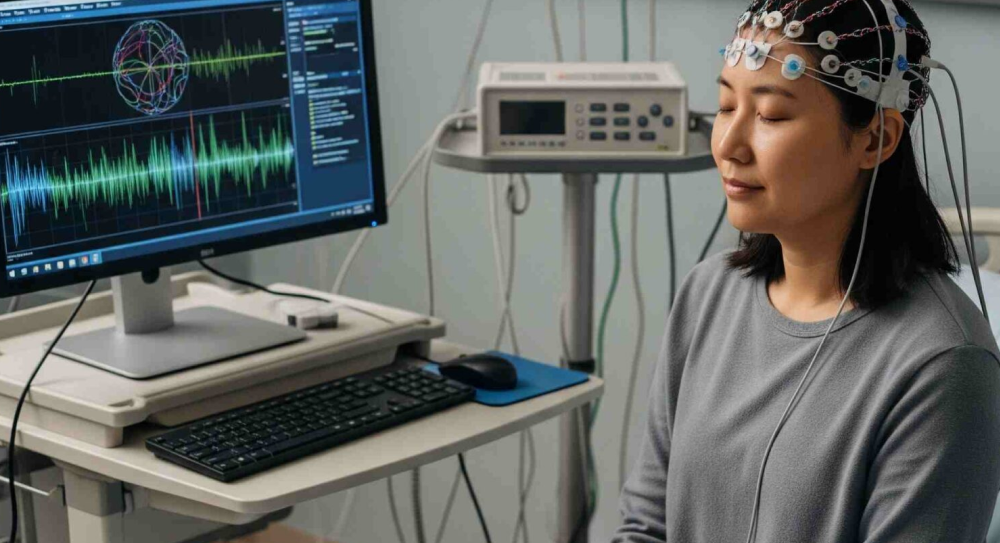
Pairing tPBM with neurofeedback can accelerate results by priming the brain to adapt faster. Think of tPBM as putting “gas in the tank” before you “finetune the engine” with neurofeedback. Clinicians anecdotally report that tPBM speeds up the time to see results from neurofeedback.
2. Functional Medicine Doctors

Already treating the brain-gut axis and systemic inflammation? Research shows tPBM is able to reduce inflammation and increase circulation, showing improvements in conditions like traumatic brain injury, cognitive decline, and general cognitive optimization (Hamblin, 2017; Cheung et al., 2023; Qu et al., 2022). tPBM adds a pharmaceutical-free, neuro-enhancing layer that complements protocols for anxiety, fatigue, and brain fog.
3. Psychologists & Therapists
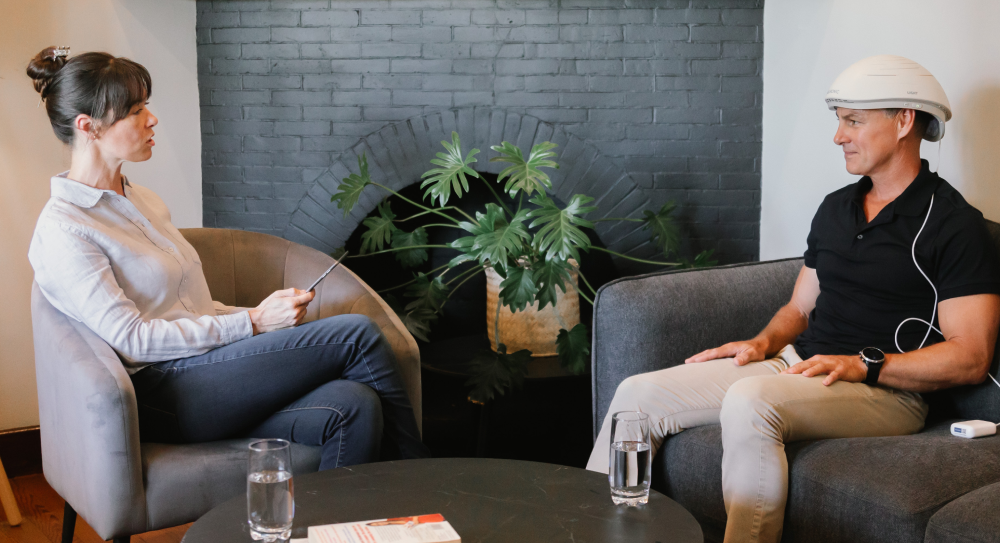
tPBM doesn’t replace talk therapy - it amplifies it. Especially useful for clients with treatment-resistant depression or trauma, tPBM can help regulate mood and improve neurocognitive flexibility. Research shows that combining tPBM with methods like cognitive behavioral therapy reduces depressive symptoms by 30% more than using CBT alone, suggesting it would be an effective modality for psychologists and therapists (Barrett, Beevers & Gonzalez-Lima, 2025).
4. Chiropractors (Especially Functional Neurology Focused)

Many chiropractors are moving into the brain health space. Many chiropractors are already using site-specific lasers, or PBM pads to improve client outcomes in their practices. Adding tPBM allows you to expand your service offerings beyond the spine, appealing to clients looking for neuro-optimization.
One such chiropractic neurologist implementing tPBM into their practice is Dr. Matthew Antonucci of the Carrick Institute, most notable for helping NHL star Sidney Crosby recover from a life altering concussion.
5. Integrative & Holistic MDs

Your clients crave root-cause solutions. tPBM gives you a tool to target the brain directly, offering a premium service that aligns with your holistic approach. tPBM targets systemic problems, like mitochondrial dysfunction, inflammation and neuroprotection and regenerations (Dompe et al., 2020).
6. Cognitive Coaches & Brain Trainers

Want to help clients achieve peak mental performance? tPBM has been shown to enhance focus, memory, and processing speed, making it a game-changer for executives, students, and high performers (Lundie et al., 2025). tPBM is used by UFC fighters and tennis players alike, to both enhance cognitive performance and support recovery from head trauma, both proactively and retroactively.
7. Occupational & Speech Therapists
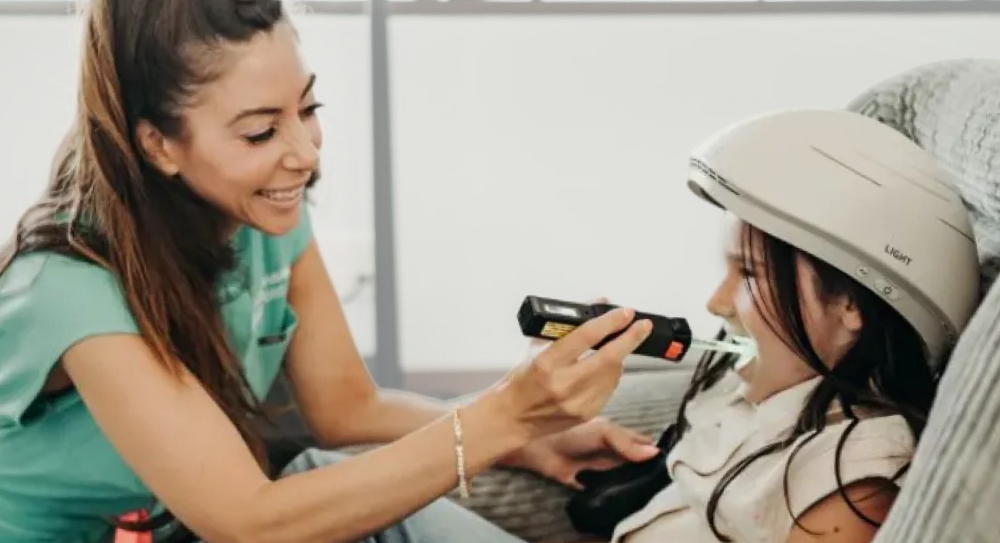
tPBM may accelerate neuroplastic recovery in patients with post-stroke impairments, TBI, or developmental delays - supporting your existing interventions with faster, deeper brain healing. One case study found that using tPBM in conjunction with speech therapy increased utterance length, rate of speech, and grammatical structure when using the modalities together, rather than just speech therapy alone (Estrada-Rojas & Ortiz, 2023).
8. Biohackers & Longevity Clinics
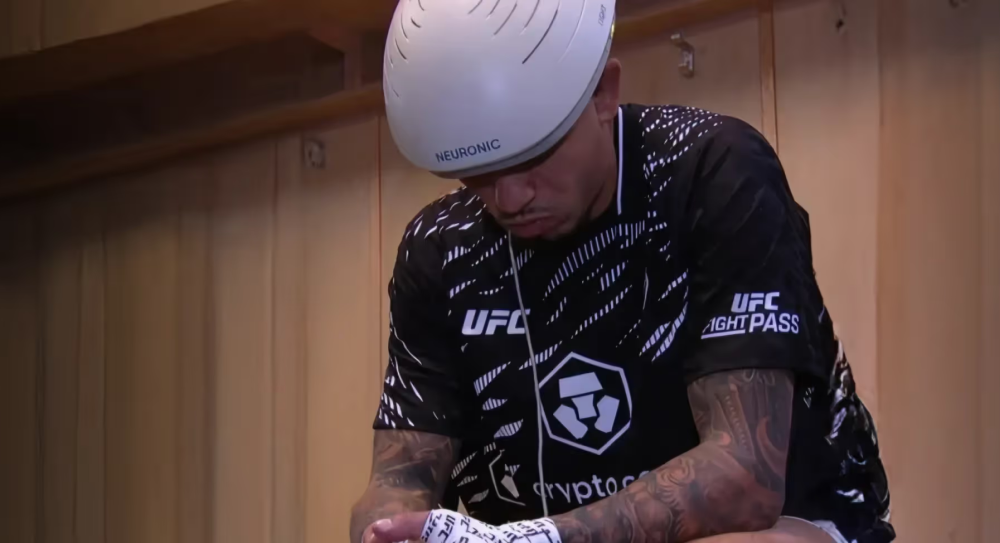
Already offering red light therapy for skin or energy? Upgrading to tPBM gives you a high-ticket brain health service that aligns with your clientele’s desire for cutting-edge longevity tools. Biohackers like Bryan Johnson, Ben Greenfield and Gary Brecka are spotted using Neuronic’s devices to improve their brain health.
9. Psychiatrists Looking to Move Beyond the Prescription Pad

As more patients seek alternatives to meds, tPBM offers psychiatrists a non-invasive, adjunctive tool to support mental health - without the side effects or stigma. One study found tPBM to have anti-depressant effects on participants with depression, suggesting that this non-invasive tool may be helpful in addressing symptoms associated with depression (Eshaghi et al., 2019).
The Bottom Line:
Photobiomodulation is no longer “fringe science.” With growing patient demand, and over 11,500 peer-reviewed studies, including over 380 studies with applications to the brain, it’s becoming the go-to second modality for practitioners serious about brain health.
Whether you’re focused on performance, recovery, or mental wellness - adding tPBM could unlock better outcomes for your patients, and a bold new revenue stream for your practice.
Want to see how tPBM could fit into your practice?
Schedule a free clinical strategy call or Download the guide: "How to Integrate tPBM in Your Practice (Without Overhauling Everything)"
References:
Barrett, D. W., Beevers, C. G., & Gonzalez-Lima, F. (2025). Augmenting internet-based cognitive behavioral therapy for major depressive disorder with transcranial infrared laser stimulation. Biological Psychiatry: Global Open Science, 5(2), Article 100449. https://doi.org/10.1016/j.bpsgos.2025.100449
Cheung, M.-C., Lee, T.-L., Sze, S. L., & Chan, A. S. (2023). Photobiomodulation improves frontal lobe cognitive functions and mental health of older adults with non-amnestic mild cognitive impairment: Case studies. Frontiers in Psychology, 13, Article 1095111. https://doi.org/10.3389/fpsyg.2022.1095111
Dompe, C., Moncrieff, L., Matys, J., Grzech-Leśniak, K., Kocherova, I., Bryja, M., … & Dyszkiewicz-Konwińska, M. (2020). Photobiomodulation — Underlying mechanism and clinical applications. Journal of Clinical Medicine, 9(6), 1724. https://doi.org/10.3390/jcm9061724
Eshaghi, E., Sadigh-Eteghad, S., Mohaddes, G., & Rasta, S. H. (2019). Transcranial photobiomodulation prevents anxiety and depression via changing serotonin and nitric oxide levels in brain of depression model mice: A study of three different doses of 810 nm laser. Lasers in Surgery and Medicine, 51(7), 634–642. https://doi.org/10.1002/lsm.23082
Estrada-Rojas, K., & Cedeño Ortiz, N. P. (2023). Increased improvement in speech-language skills after transcranial photobiomodulation plus speech-language therapy, compared to speech-language therapy alone: Case report with aphasia. Photobiomodulation, Photomedicine, and Laser Surgery, 41(5), 234–240. https://doi.org/10.1089/photob.2022.0024
Hamblin, M. R. (2018). Photobiomodulation for traumatic brain injury and stroke. Journal of Neuroscience Research, 96(4), 731–743. https://doi.org/10.1002/jnr.24190
Lundie, M., Koch, M., Villanueva, A., Nguyen, T., Garner, C., Satsangi, M., Advani, P., & Krawczyk, D. (2025, October). Illuminating Cognitive Performance: Assessing the Role of Transcranial Photobiomodulation in Augmenting Cognition . Oxford Academic. https://doi.org/10.1093/milmed/usaf227
Qu, X., Li, L., Zhou, X., Dong, Q., Liu, H., Liu, H., Yang, Q., Han, Y., & Niu, H. (2022). Repeated transcranial photobiomodulation improves working memory of healthy older adults: Behavioral outcomes of poststimulation including a three-week follow-up. Neurophotonics, 9(3), Article 035005. https://doi.org/10.1117/1.NPh.9.3.035005

Subscribe for insights, tips, offers & more.
By signing up, you accept our privacy policy. Your personal data will be processed so that we can contact you about our products. Read our Privacy Policy for more information.