LED Face Masks vs. LED Helmets for the Brain
![[object Object]](https://cdn.sanity.io/images/h29o7kl4/staging/0c0476690b5e49f9a375deb663c4d52aa39fa8e2-352x351.heif?w=352&q=80&auto=format&fit=max)
The LED Light Therapy Boom
In the last few years, LED face masks have surged in popularity - not just as trendy Instagram-worthy skincare devices, but as science-backed tools promising skin rejuvenation, reduced acne, and anti-aging benefits.
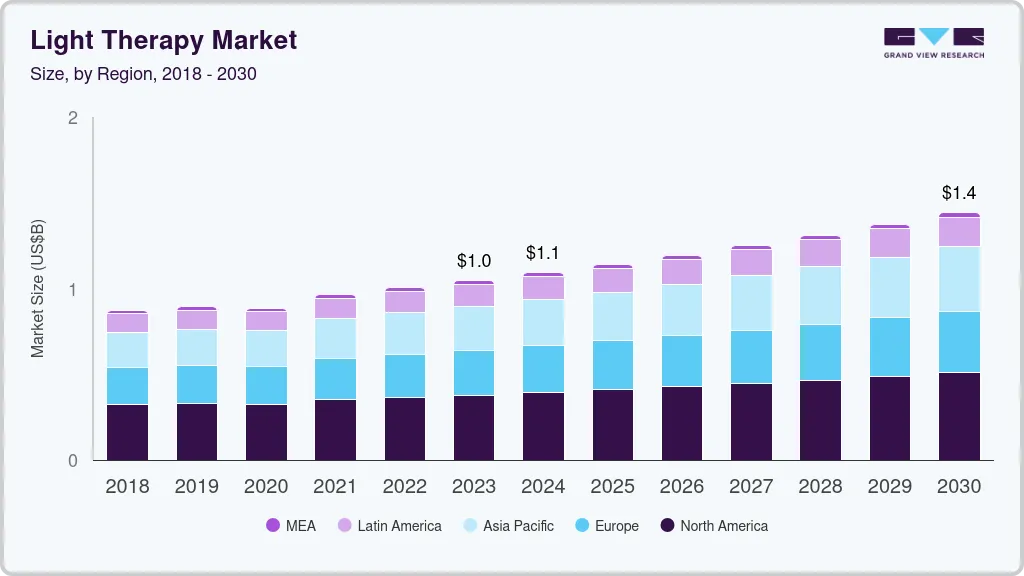
Caption: Grand View Research shares a market analysis of the light therapy market, and its expected growth of US$1.4B by 2030.
But beyond beauty, a deeper question arises: Can light therapy reach beyond your skin’s surface and also impact brain and cognitive health?
Enter the world of photobiomodulation (PBM) and its applications across health, wellness, and neurology. While LED face masks and transcranial PBM (tPBM) both use light as a therapeutic tool, they’re not interchangeable - and understanding how they work is key to getting real results.
What Is an LED Face Mask?
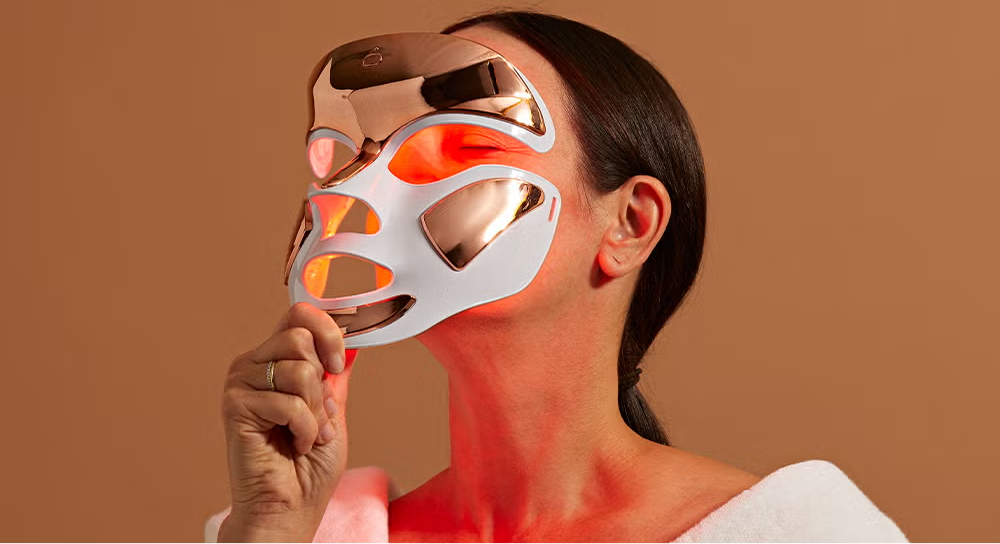
An LED face mask is a wearable device that delivers low-level light therapy (LLLT) to the skin, typically using specific wavelengths like red or blue light, depending on the use case.
These masks:
- Are worn over the face like a shield or flexible wrap
- Emit non-invasive, painless light at set wavelengths
- Are often used for anti-aging, acne reduction, and skin tone improvement
This is part of a broader class of light therapy for skin health, known as LED light therapy or dermatological photobiomodulation.
Benefits of LED Face Masks (According to Research)

Wondering about the benefits of LED face masks? Here’s what science suggests. LED masks can:
1. Reduce Acne
- Blue light (around 415 nm) targets Propionibacterium acnes, a bacteria linked to acne breakouts (Scott et al., 2019).
- Reduces inflammation and frequency of pimples (Pei et al., 2015).
2. Boost Collagen Production
- Red light (around 630–660 nm) stimulates fibroblast activity and collagen synthesis (Avci et al., 2014).
- Can reduce the appearance of fine lines and wrinkles over time (Wunsch & Matuschka, 2014).
3. Improves Skin Texture and Tone
- LED face masks may increase blood circulation to facial tissues (Gavish et al., 2020).
- Promotes a more even complexion and subtle glow (Wunsch & Matuschka, 2014).
4. Remain non-Invasive, Painless, and Convenient
- Can be used at home in 10–20 minute sessions
- No downtime or discomfort compared to more invasive dermatological procedures
Do LED Face Masks Work?
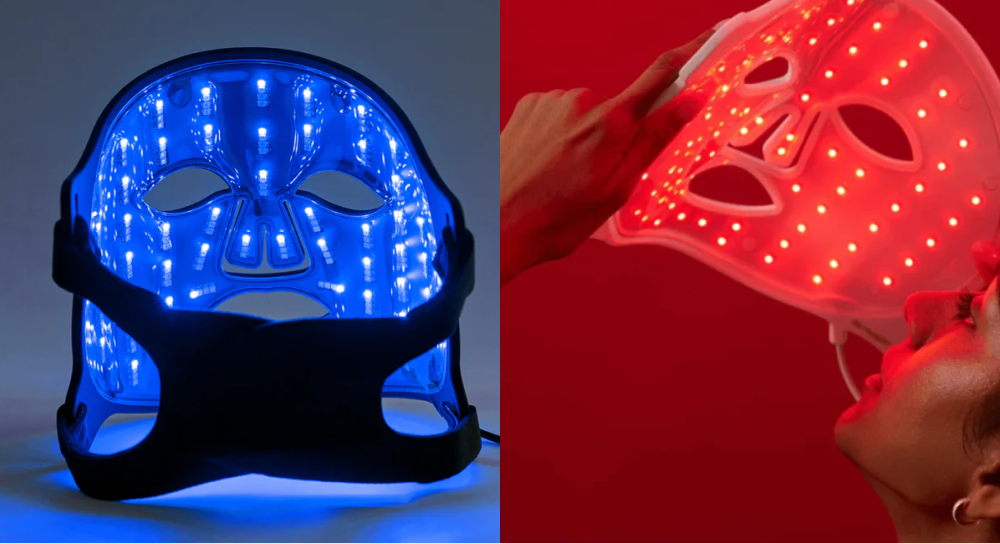
This is one of the most searched questions - and the answer is:
Yes - LED face masks can work, if the device is using proper wavelengths, is used regularly, and is produced with high quality materials (ex. LEDs).
Clinical studies support the use of LED light therapy in dermatology, particularly:
- Blue light for acne
- Red and near-infrared light for collagen remodeling and wound healing
However, cheap or poorly manufactured devices may use ineffective wavelengths or insufficient energy, leading to disappointing results. Certified dermatologist Sarah Mitchell echoes this sentiment, “The difference comes down to proper wavelengths, light intensity, and treatment protocols - the factors that separate effective devices from expensive placebos” (Beauty Test Lab, 2026).
How LED Face Masks Differ from Transcranial Photobiomodulation (tPBM)
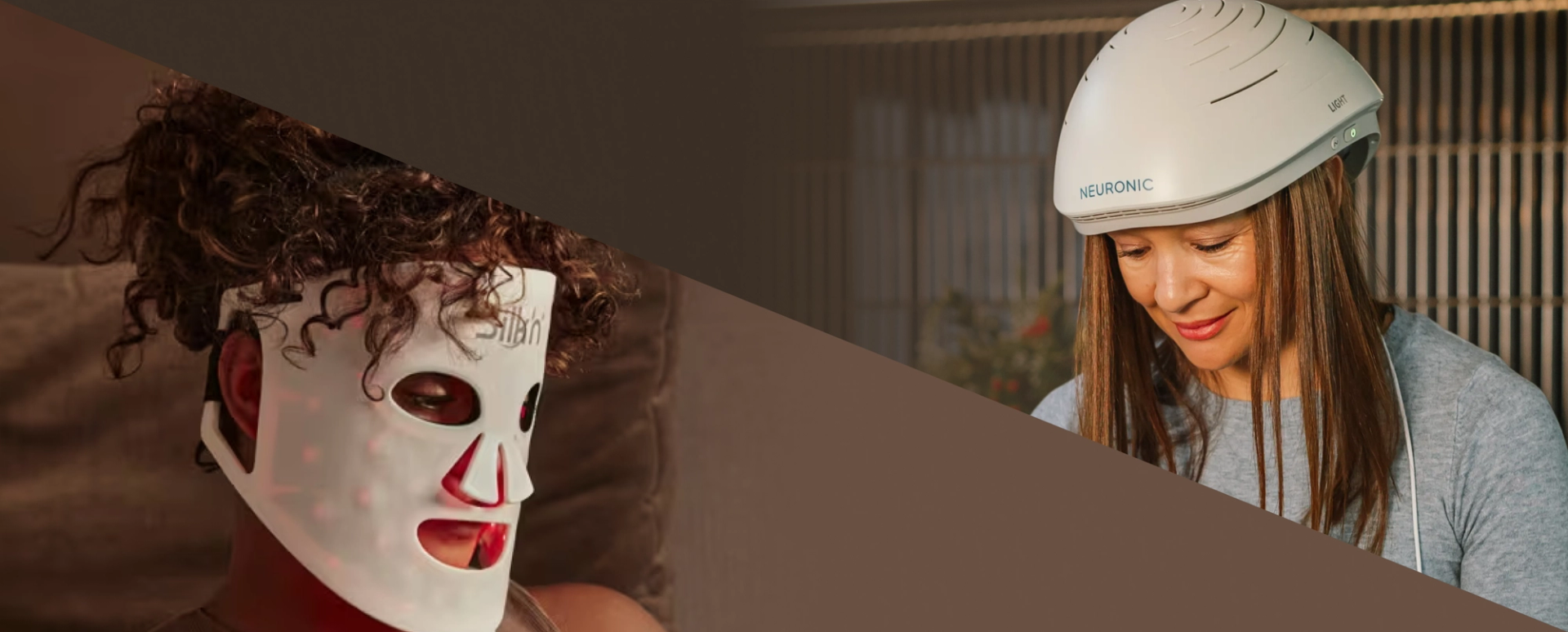
While both LED face masks and tPBM use light to influence cellular activity, their goals, depth of penetration, and physiological targets are entirely different.
Feature LED Face Mask Transcranial PBM (tPBM) Target Area Skin (epidermis/dermis) Brain tissue (neurons, cortex) Main Goals Anti-aging, acne Cognitive clarity, memory, mood Wavelength Range 415–660 nm (blue/red) 810–1070 nm (near-infrared) Penetration Depth A few millimeters Several centimeters (through scalp & skull) Tissue Affected Skin cells (fibroblasts, keratinocytes) Brain cells (neurons, mitochondria) Use Case Cosmetic Cognitive & neurological support .npbm-wrap{ width:100%; } .npbm-table{ width:100%; border-collapse:separate; border-spacing:0; background:var(--white); color:var(--black); border:1px solid var(--border-primary); border-radius:var(--border-radius); overflow:hidden; } .npbm-table th, .npbm-table td{ padding:var(--medium-spacing); vertical-align:top; border-bottom:1px solid var(--border-primary); } .npbm-table thead th{ background:var(--blue-light); color:var(--dark-blue); } .npbm-table tbody th{ color:var(--blue); background:var(--light-gray); text-align:left; } .npbm-table tbody td{ color:var(--card-text-color); background:var(--white); } .npbm-table tr:last-child th, .npbm-table tr:last-child td{ border-bottom:none; } @media (max-width: 900px){ .npbm-table th, .npbm-table td{ padding:var(--small-spacing); } }
Why This Matters:
LED masks cannot penetrate deeply enough to influence brain function. Red light around 630–660 nm is absorbed mostly by surface-level tissue. To reach neural mitochondria, you need near-infrared light (810–1070 nm) - as used in tPBM helmets or headsets.
How Light Therapy Works on a Cellular Level
Both LED face masks and tPBM devices use a principle called photobiomodulation - the use of specific wavelengths of light to (Hamblin, 2017).:
- Activate cytochrome c oxidase in mitochondria
- Boost ATP (cellular energy) production
- Reduce oxidative stress
- Modulate inflammatory pathways
So while the mechanism is similar, the depth and location of light delivery are what determine whether you’re improving skin health or supporting your brain’s energy systems.
Are LED Face Masks Safe?
Yes, LED face masks are generally considered safe when used as directed.
They:
- Use non-UV, non-ionizing light
- Don’t heat the skin or cause burns
- Are FDA-cleared in many cases for dermatologic use
Safety Tips:
- Some devices may use eye protection, especially with blue light
- Avoid overuse - stick to manufacturer guidelines
- Check for FDA clearance or clinical testing data before buying
What If You Want to Support Brain Health With Light?
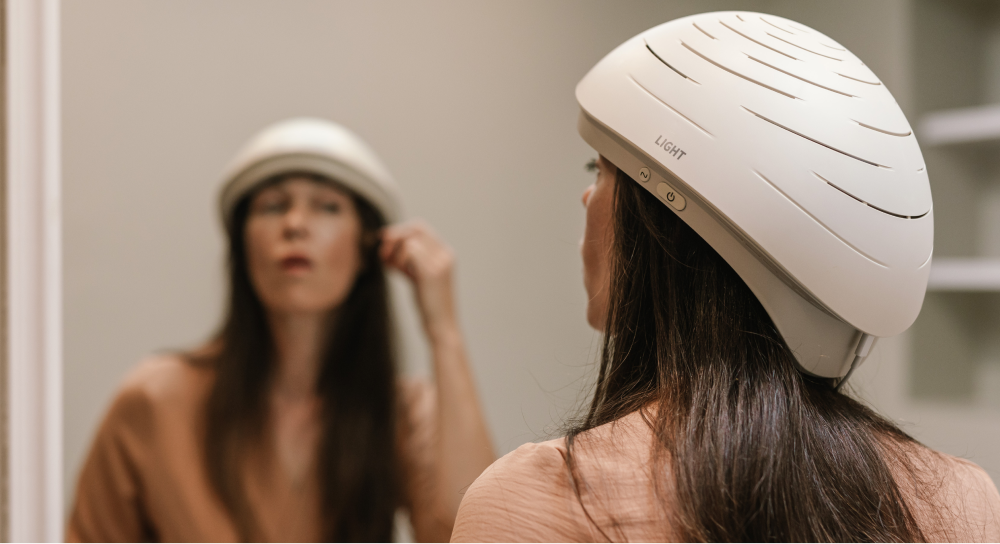
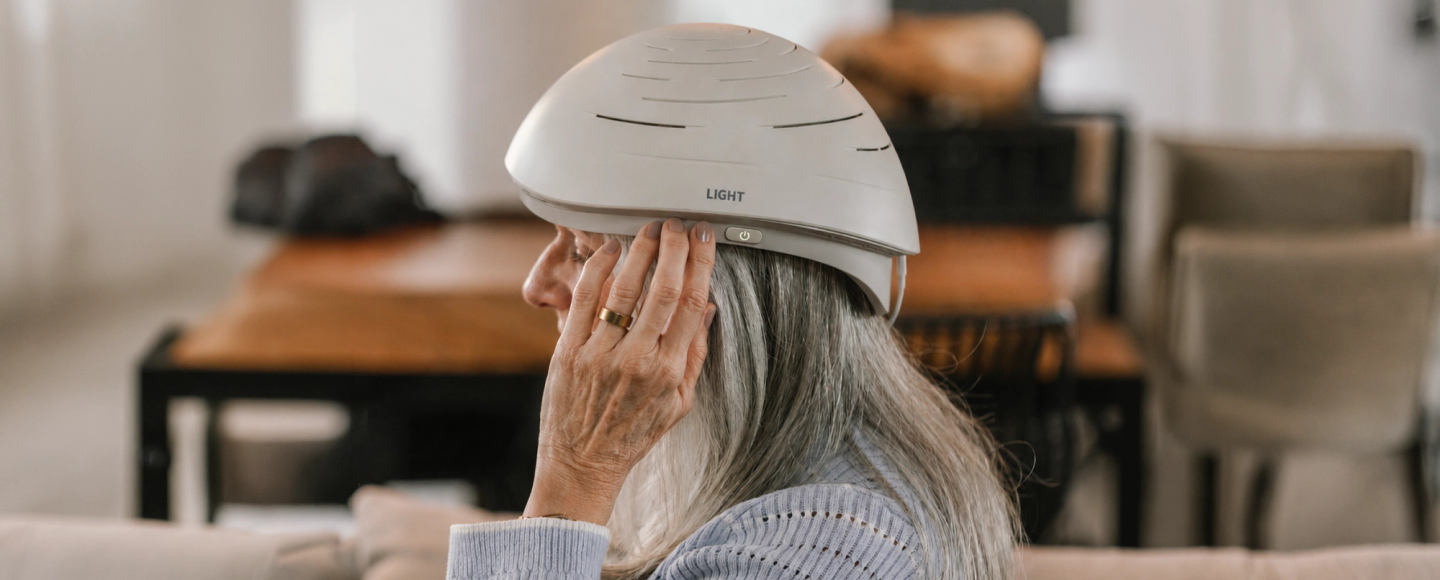
If you’re interested in light therapy for mental clarity, stress resilience, or cognitive performance, you’ll want to explore transcranial PBM devices like Neuronic LIGHT.
These helmets use 1070 nm near-infrared light, specifically chosen to:
- Reach deep cortical regions
- Stimulate mitochondrial function in brain cells
- Support natural energy production in neurons
This is a different category of photobiomodulation - one that moves beyond skincare and into the realm of neuroenhancement and brain wellness.
What You Need to Know
- LED face masks work for improving skin, especially acne and wrinkles.
- They use blue and red light in shallow tissue layers.
- They are not designed for or capable of supporting brain health.
- If your goal is skin rejuvenation: LED face masks can be safe and effective.
- If your goal is cognitive clarity, resilience, or neurological support: look into transcranial PBM devices using near-infrared wavelengths.
Want to Learn More About Brain Light Therapy?
Explore how the Neuronic LIGHT uses targeted photobiomodulation to support:
- Cognitive performance
- Brain energy metabolism
- Long-term neural resilience
References:
Avci, P., Gupta, A., Sadasivam, M., Vecchio, D., Pam, Z., Pam, N., & Hamblin, M. R. (2013). Low-level laser (light) therapy (LLLT) in skin: Stimulating, healing, restoring. Seminars in Cutaneous Medicine and Surgery, 32(1), 41–52. https://doi.org/10.12788/j.sder.0023
Beauty Test Lab. (2024). Best LED face masks NZ – Ranked & reviewed for 2024. https://beautytestlab.com/led-masks-nz/
Gavish L;Hoffer O;Rabin N;Halak M;Shkilevich S;Shayovitz Y;Weizman G;Haim O;Gavish B;Gertz SD;Ovadia-Blechman Z; (n.d.). Microcirculatory response to photobiomodulation-why some respond and others do not: A randomized controlled study. Lasers in surgery and medicine. https://pubmed.ncbi.nlm.nih.gov/32064652/
Grand View Research. (2023). Light therapy market size, share & trends analysis report by product, by light type (blue, red), by application (acne, psoriasis), by end use (hospitals, home healthcare), by region, and segment forecasts, 2023 - 2030. https://www.grandviewresearch.com/industry-analysis/light-therapy-market-report
Hamblin, M. R. (2018). Mechanisms and mitochondrial redox signaling in photobiomodulation. Photochemistry and Photobiology, 94(2), 199–212. https://www.ncbi.nlm.nih.gov/pmc/articles/PMC5523874/
Pei, S., Inamadar, A. C., Adya, K. A., & Tsoukas, M. M. (2015). Light-based therapies in acne treatment. Indian dermatology online journal. https://pmc.ncbi.nlm.nih.gov/articles/PMC4439741/
Scott, A. M., Stehlik, P., Clark, J., Zhang, D., Yang, Z., Hoffmann, T., Mar, C. D., & Glasziou, P. (2019, November). Blue-light therapy for ACNE VULGARIS: A systematic review and meta-analysis. Annals of family medicine. https://pmc.ncbi.nlm.nih.gov/articles/PMC6846280/
Wunsch , A., & Matuschka, K. (n.d.). A controlled trial to determine the efficacy of red and near-infrared light treatment in patient satisfaction, reduction of fine lines, wrinkles, skin roughness, and intradermal collagen density increase. Photomedicine and laser surgery. https://pubmed.ncbi.nlm.nih.gov/24286286/