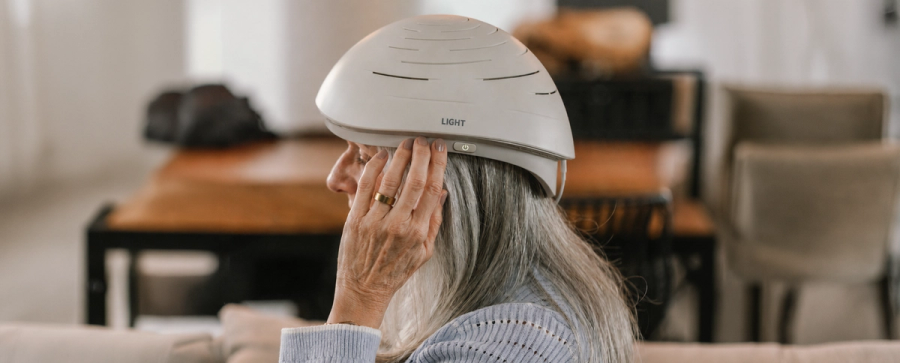
About Neuronic
Neuronic devices are classified as medical devices in the United States under the FDA’s ILY category for therapeutic infrared lamps, but this classification is specific to general device registration and does not mean they are intended to diagnose, treat, cure, or prevent any medical condition.
Globally, outside of the U.S., Neuronic devices are not registered as medical devices, and they are marketed and designed solely to support overall wellness, relaxation, and cognitive function rather than as medical treatments. Neuronic does not provide medical advice, and devices should be used as part of a wellness routine, not as a replacement for professional healthcare guidance.
Our Legal Disclaimer
- Neuronic devices do not diagnose, treat, cure, or prevent any disease.
- Neuronic does not provide medical advice.
- Our products are designed to support overall wellness and should not replace professional medical guidance.
- Always consult a qualified healthcare professional for any health concerns or medical conditions.
- While many users report positive personal experiences, individual results may vary.
Why We Can’t Make Medical Claims
Photobiomodulation (PBM), the technology behind the Neuronic Light device, has been widely studied for its potential effects on brain function and cellular health. However, while research is promising, federal regulations require extensive clinical trials before a device can be marketed as a treatment for specific medical conditions. Until such trials are completed and regulatory approvals granted, we cannot and do not claim that our device treats any medical condition.
Empowering You to Make Informed Decisions
At Neuronic, we encourage education and informed decision-making. The field of light-based wellness technology continues to evolve, and we support ongoing research into PBM’s applications. Whether you are interested in the science or simply looking for a wellness tool, we recommend:
✔️ Exploring reputable research on photobiomodulation.
✔️ Consulting with healthcare professionals before starting any new wellness practice.
✔️ Using the device as directed in the user manual for best results.
We remain committed to delivering high-quality, research-backed wellness technology while adhering to the highest ethical standards.
Yes. Neuronic welcomes research collaborations with qualified institutions, clinicians, and investigators interested in advancing photobiomodulation (PBM) and neurotechnology.
We actively support research initiatives that explore the scientific applications of near-infrared light therapy, particularly in brain health and neurological performance. Neuronic provides discounted devices, loaned products or donates devices based on the trial design.
What Types of Research Does Neuronic Support?
Neuronic is interested in research projects related to:
Transcranial photobiomodulation (tPBM)
Brain health and cognitive performance
Neurological function
Clinical and wellness applications of near-infrared light
Objective measurement tools such as qEEG and cognitive testing
We collaborate with academic institutions, private clinics, and research organizations.
How to Propose a Research Collaboration
If you are interested in conducting a research study with Neuronic:
Visit our Research page to review current initiatives and focus areas.
Prepare a proposal outlining your research objectives, methodology, and study design.
Contact our team using this form to apply for potential collaboration.
Our team evaluates proposals based on scientific rigor, alignment with our research priorities, and feasibility.
Why Neuronic Invests in Research
Neuronic reinvests 100% of profits into research and product development, with the goal of advancing the science of light-based neurotechnology.
We believe rigorous research is essential for building evidence-based innovation in brain health.
Summary
Neuronic supports research collaborations in photobiomodulation and neurotechnology. Qualified institutions and investigators can propose studies aligned with our scientific focus areas.
Yes. Neuronic is continually growing as we expand our research initiatives, product development, and client support operations.
We welcome individuals who are passionate about neurotechnology, innovation, and advancing the future of brain health.
How to Apply for a Role at Neuronic
We share updates about open positions and new opportunities on our LinkedIn page, so we recommend following us to stay informed about current and future roles.
You can also submit your information through our general interest form here.
Submitting the form allows our team to review your background and contact you if a suitable opportunity becomes available.
Who We’re Looking For
Neuronic seeks individuals who:
Value science and innovation
Are mission-driven and growth-oriented
Thrive in dynamic, fast-evolving environments
Want to contribute to advancing light-based neurotechnology
Summary
Neuronic regularly hires across research, product, marketing, sales, and client support roles. Follow our LinkedIn page and submit the application form to be considered for future opportunities.
Yes, if you are eligible for any of the studies that Neuronic is recruiting for, you can participate. Please visit our research page for more information.
Yes. Neuronic provides devices for research purposes, either at a discounted rate or through a loan period, depending on the project.
Research requests are evaluated on a case-by-case basis. If you are interested in using Neuronic devices for research, please fill out this form, and a member of our team will contact you to discuss next steps if there is a fit.
Your privacy is very important to us. All personal and medical data is kept confidential and is anonymized whenever possible.
Access to your data is strictly limited to authorized personnel only, in accordance with the informed consent process. No data is shared or accessed outside of these defined permissions.
Neuronic follows established data protection practices to help ensure your information is handled responsibly and securely, you can read more here.
Light therapy devices may be FDA cleared or registered for specific uses, but this does not mean all light therapy devices are FDA approved.
In the United States, the U.S. Food and Drug Administration (FDA) regulates certain light therapy devices under specific classifications. Some devices receive FDA clearance for particular indications (such as pain relief or dermatological applications), while others are registered under general device categories.
It is important to understand that:
FDA approval typically applies to high-risk medical devices or pharmaceuticals
Many light therapy devices instead receive FDA clearance under the 510(k) pathway
Clearance or registration does not mean a device is approved to diagnose, treat, cure, or prevent all conditions
Regulatory status depends on the device classification, intended use, and marketing claims.
What’s the Difference Between FDA Approved and FDA Cleared?
FDA Approved – Applies to certain high-risk medical devices or drugs that undergo a more extensive review process.
FDA Cleared (510(k)) – Indicates the device is substantially equivalent to an existing legally marketed device for a specific intended use.
FDA Registered – Means the manufacturer and device are listed with the FDA, but this does not imply approval for specific medical claims.
Understanding these distinctions helps clarify how light therapy devices are regulated in the U.S.
Summary
Some light therapy devices are FDA cleared or registered for specific uses, but not all are FDA approved. Regulatory status depends on device classification and intended use.
Neuronic is a neurotechnology company developing non-invasive light-based devices designed to support brain health and cognitive function.
Using near-infrared photobiomodulation (PBM), Neuronic creates at-home and clinical devices that aim to enhance cellular energy production and support overall neurological wellness. Learn more here on our about us page.
What Does Neuronic Do?
Neuronic develops devices that use specific wavelengths of light — including 1070nm near-infrared — to interact with biological tissue.
Photobiomodulation has been studied extensively in scientific literature, with thousands of peer-reviewed publications exploring its effects on cellular energy, circulation, and neurological function.
Neuronic focuses on supporting individuals who feel their brain performance is declining beyond what they expect for their age or overall health.
Our Mission
Neuronic’s mission is to transform lives with the power of light.
We believe brain health has a profound impact on quality of life. Our goal is to empower individuals with technology that supports cognitive vitality, mental clarity, and overall well-being.
Neuronic reinvests 100% of its profits into research and product development, supporting continued innovation in the neurotechnology and photobiomodulation space.
Our Approach
Neuronic combines:
Near-infrared light technology (1070nm)
Personalized consultation options
qEEG brain mapping compatibility
Structured protocols and brainwave entrainment settings
Four pre-set programs for accessible wellness use
We offer both standardized programs and personalized consultation pathways to support individual goals.
Safety & Regulatory Transparency
Neuronic devices are not currently FDA approved for specific medical conditions.
LED light therapy devices are generally considered non-significant risk when used appropriately. Neuronic is committed to regulatory transparency and is actively pursuing further regulatory pathways, which may take several years.
We do not provide medical diagnoses or treatment claims.
What Sets Neuronic Apart?
Neuronic differentiates itself through:
Use of 1070nm near-infrared wavelength
4-quadrant targeted programming design
Optional personalized consultation support
Emphasis on measurable brain mapping (qEEG compatibility)
Reinvestment of profits into research and development
- Ease of use to make it part of your daily routine
- Exceptional customer care
Our approach balances innovation, safety, and education.
Our Vision
We aspire to be recognized as:
Caring and customer-first
Innovative and science-driven
Transparent and evidence-aware
Professional yet approachable
A leader in the future of brain health
Our tagline reflects this mission:
Transforming the future of brain health with the power of light.
Neuronic devices use a 1070 nanometer (nm) wavelength.
This wavelength falls within the near-infrared (NIR) spectrum, which is known for its ability to penetrate deeper into biological tissue compared to visible light. In photobiomodulation (PBM), near-infrared wavelengths such as 1070nm are used to support cellular energy production.
Why 1070nm?
The 1070nm wavelength sits within the optical window (approximately 800–1100nm) commonly associated with deeper tissue penetration. This makes it suitable for applications involving the brain, where light must pass through the scalp and skull.
Near-infrared light in this range is used in photobiomodulation to interact with cellular processes involved in energy metabolism.
Learn More About PBM Wavelengths
To better understand how different wavelengths compare in photobiomodulation therapy, read our detailed blog exploring wavelength selection and near-infrared light applications.
Neuronic’s Consumer Advisory Board (CAB) is a group created to ensure our products are developed with our customers, not just for them.
The CAB is made up of individuals who have purchased a Neuronic device and are willing to provide feedback on various aspects of the product, including usability, features, and overall experience. This feedback helps guide ongoing product development and improvement.
Customers may request to join the Consumer Advisory Board, however, not all applicants are accepted, as membership is selective.
Neuronic devices are designed specifically for brain-directed light therapy (transcranial photobiomodulation, or tPBM), whereas many light therapy products on the market are focused on skin health, seasonal mood regulation (SAD), or general wellness. Neuronic devices deliver specific near-infrared wavelengths optimized to penetrate scalp and skull tissue and interact with mitochondrial chromophores in the brain. This targeted approach supports cellular energy metabolism, cerebral perfusion, and neuroregulation, differentiating them from typical light therapy devices that are not engineered for deep neural engagement.
Neuronic devices are developed using scientific principles and clinical insights that prioritize brain tissue penetration, safety, and consistent dosing making them suitable for integration into clinical or wellness settings.
Neuronic was officially founded in April 2021 by Liam Pingree and Marvin Schoenauer.
The company was established with the goal of developing non-invasive neurotechnology using light to support brain health and cognitive function.
You can read more on our about us page here.
You can read testimonials from Neuronic customers directly on our website or on Trustpilot, our verified third-party testimonial platform.
Trustpilot collects independent reviews from verified users, making it a reliable place to explore real customer experiences with Neuronic devices.
Neuronic operates internationally, with corporate structures in the United States and Europe.
Neuronic Corporation is incorporated in the United States, and Neuronic Devices Operations GmbH supports European operations.
Our team works globally, collaborating with partners, clinicians, and customers around the world.
Does Neuronic Ship Internationally?
Yes. Neuronic serves customers globally and supports both direct-to-consumer and professional partnerships internationally. See more here.
Neuronic’s Scientific Advisory Board includes internationally recognized experts in photobiomodulation and light-based therapies.
Current members include:
These advisors bring extensive research and clinical experience in photobiomodulation, light therapy, and neuromodulation.
About Our Scientific Advisors
Neuronic’s advisory board members are leaders in the study of photobiomodulation and have contributed significantly to scientific literature in the field.
Their guidance supports Neuronic’s commitment to evidence-informed innovation and responsible technology development.
To learn more about their backgrounds and credentials, visit our About Us page.
Consultation Services
Please click here to access the Healthie portal where the masterclass is hosted.
- After purchasing the Neuronic Photobiomodulation Masterclass, you will receive an email containing a secure link to access the course via the Healthie portal. If you do not see the email in your inbox, please check your spam or junk folder. If you still cannot locate the access email, contact the Neuronic support team for assistance.
- After clicking “Access the Masterclass,” you will be directed to a platform called Healthie.
- You will be asked to input your information to create an account.
- After inputting your information and clicking "get now" you will receive an email to confirm your account and create a password.
- If you already have a Healthie account with Neuronic you will instead recieve a confirmation of the package.
- After creating your account or logging in, to access the masterclass you will need to click on “programs” on the left navigation bar.
- After clicking on programs you should see the Masterclass and can now click “Start” to begin the program. You can go through the course at your own convenience.
Here is a youtube video to help walk you through the process
- After purchasing your Neuradiant 1070 you should have received an email with the information to book your session, make sure to check your spam! If you don’t receive the email a few minutes after purchase please reach out to our support team here.
- We book all of our consultation sessions in a HIPAA compliant EHR platform called Healthie. To book your complimentary session please click on the link in the email “claim your complimentary session”.
- After clicking on the link you will see a screen that looks like this: Please click on continue when you are ready.
- You will then be asked to select whether you would like the appointment to be a video call or a phone call
Once you have selected the type of session you would like, please "confirm appointment type" to continue.
- You will then be prompted to select a date and time to book your session. The dates with available appointments will have a blue circle around them, by selecting a date you can see the times available for that date on the right side of the screen. Once you have found a suitable date and time click "confirm date and time".
- After you have confirmed the date and time you will be prompted to create an account.
- After you have input your information you will see a confirmation on the screen and you will receive a confirmation to your email address.
Next Steps
- You will be prompted to complete your account set up through an email.
- By clicking on “accept invite” you will be asked to create a password
- Once you have created a password you will be prompted to fill out an intake questionnaire and consent form, this will help your consultant get to know you and help prepare for your session.
- First you will be asked to read and sign a consent form
- Next you will be prompted to fill out the intake form
If you are still having difficulty, please also reach out on our support page here.
A brain map (qEEG) works in conjunction with the Neuradiant 1070 by serving as a guide for creating personalized protocols based on your individual brain activity readings.
The brain map helps clinicians:
Identify areas of the brain that may need more attention
Determine which brain state frequencies may be most appropriate
These insights are then used to guide device settings, including pulse parameters and treatment location across the four quadrants of the Neuradiant 1070.
Please note: qEEG brain mapping is not suitable for use with the Neuronic LIGHT, and is only applicable to Neuradiant 1070 consultations.
Please email your raw EEG files (either .eeg or .edf format) to consultation@neuronic.online.
Once received, your qEEG will be analyzed, and a personalized protocol will be created for you. Neuronic consultants meet weekly as a group, combining their different professional backgrounds to collaboratively develop your protocol.
After your qEEG analysis is complete and your protocol is ready, your consultant will contact you to notify you and help you book your session.
After purchasing a Neuronic consultation package, you will receive a follow-up email with step-by-step instructions on how to book your consultation sessions.
This email will include details on how to schedule your session and what to expect next.
How Do I Book My Consultation?
Once you receive the confirmation email:
Follow the instructions provided in the message.
Use the booking link to select your preferred session time.
Complete your scheduling confirmation.
Your consultation will then be confirmed according to the selected time slot.
Didn’t Receive the Email?
If you do not see the follow-up email:
Check your spam or junk folder.
Ensure the email address used at checkout was entered correctly.
If you still cannot locate the email, please contact our support team and we will assist you promptly.
Summary
After purchasing a Neuronic consultation, you will receive an email with booking instructions. If you do not receive the email, check spam or contact support.
After purchasing the Advanced Consultation package, you will receive an email from Neuronic with step-by-step instructions on how to book your sessions.
If you don’t see this email, please be sure to check your spam or junk folder. If you still can’t find it, reach out to our support team for assistance.
A video walkthrough is also available that guides you through the booking process.
After purchasing the Standard Consultation package, you will receive an email from Neuronic with step-by-step instructions on how to book your session.
If you don’t receive this email, please check your spam or junk folder. If it’s still missing, reach out to our support team for assistance.
A video walkthrough is also available to guide you through the booking process.
To ensure accurate analysis and proper device programming, Neuronic requires specific technical standards for qEEG (Quantitative EEG) recordings.
Please follow the requirements below when submitting qEEG data for review.
qEEG Recording Specifications
1. Recording Conditions
Record Eyes Open (EO) first (with lights on)
Record Eyes Closed (EC) second
No additional task conditions are required
2. Channel Requirements
Minimum of 19 channels of simultaneous surface electrical activity
More than 19 channels is acceptable
3. Sensor Type
Silver/Silver-Chloride electrodes are preferred
If using alternative sensors, please specify the type
If using dry electrodes, clearly specify the model and material
4. Recording Duration
Minimum 10 minutes Eyes Open (EO)
Minimum 10 minutes Eyes Closed (EC)
5. Impedance Requirements
Ideal impedance: ≤ 10 kΩ
Maximum impedance difference between electrodes: ≤ 5 kΩ
Maintaining low and balanced impedance improves signal quality and analysis reliability.
6. File Format Requirements
Raw EEG data must be submitted in one of the following formats:
.EDF (European Data Format)
.EEG file format
7. Reference Configuration
Linked Ears reference must be used during acquisition
How to Submit qEEG Data
Raw data files must be sent to:
📩 consultation@neuronic.online
A Neuronic consultant will analyze the raw EEG data and generate a report used to program the helmet appropriately.
If you have questions about these requirements, please email consultation@neuronic.online.
Summary
Neuronic requires a 19+ channel qEEG recording with 10 minutes eyes open and 10 minutes eyes closed, low impedance (≤10 kΩ), linked ears reference, and raw data submitted in .EDF or .EEG format.
The Neuronic Masterclass is a comprehensive educational program featuring 12 structured modules covering the science, research, and practical application of photobiomodulation (PBM), with a focus on brain health and professional integration.
It is designed to provide both foundational knowledge and applied implementation guidance.
The 12 Masterclass Modules
The Neuronic Masterclass includes the following modules:
What Is Photobiomodulation (PBM)? Foundational overview of light therapy and near-infrared applications.
History of Photobiomodulation Development of PBM from early laser research to modern LED applications.
PBM Principles and Mechanisms of Action Cellular and mitochondrial mechanisms, including ATP production and biological interaction.
Applications of PBM Overview of therapeutic and wellness applications studied in research.
PBM on the Brain Focus on transcranial photobiomodulation and neurological considerations.
Research in PBM Review of scientific literature and evidence supporting PBM technologies.
Introduction to Neuronic Overview of Neuronic’s mission, technology, and development philosophy.
Neuronic’s Research Efforts Insight into Neuronic’s research collaborations and ongoing initiatives.
Neuronic’s Product Offering Detailed breakdown of devices, protocols, and functional design.
Integrating PBM in Functional Medicine Practical guidance for incorporating photobiomodulation into clinical settings.
Consultation Offerings and Clinical Integration How to structure services, protocols, and client support.
Case Studies Real-world examples illustrating application and implementation.
Who This Masterclass Is For
The program is ideal for:
Affiliates and partners
Neurofeedback clinics
Functional medicine practitioners
Brain health professionals
Providers integrating PBM into existing services
Summary
The Neuronic Masterclass includes 12 in-depth modules covering photobiomodulation science, brain applications, Neuronic technology, research, clinical integration, and case studies. It provides both theoretical education and practical implementation guidance.
qEEG builds upon a standard EEG (electroencephalogram) by applying quantitative analysis and comparison to normative databases, allowing clinicians to identify areas of overactivity, underactivity, or dysregulation.
The qEEG process involves measuring the electrical patterns at the surface of the scalp which reflect cortical activity, and it's commonly known as "brainwaves." The qEEG brain map translates these brainwaves into a visual representation that shows different brain wave patterns and activities in various regions of the brain.
Here are key aspects of qEEG brain mapping:
1. Data Collection: The qEEG begins with the collection of EEG data, which involves placing electrodes on the scalp. These electrodes pick up the electrical signals produced by the neurons in the brain. The data collected includes various brain wave frequencies such as delta, theta, alpha, beta, and gamma waves, each associated with different states of consciousness and cognitive processes.
2. Quantitative Analysis: The raw EEG data are then processed and analyzed quantitatively. This involves comparing the individual's EEG data to a normative database that contains EEG patterns from a large group of healthy individuals. The analysis looks for deviations from the norm, which can indicate areas of the brain that may be functioning sub-optimally.
3. Brain Mapping: The analyzed data are then presented in the form of a brain map, which is a colour-coded map showing different aspects of brain activity. These maps can display various parameters, such as brain wave amplitudes, coherence (how different parts of the brain communicate with each other), and phase delays (timing differences between brain areas). Colours on the map typically indicate areas of overactivity, underactivity, or dysregulation in the brain.
4. Applications: qEEG brain mapping is used for a variety of purposes, including diagnostic assessment, guiding neurofeedback therapy, monitoring the effects of treatment, and research into brain function. It can help identify patterns associated with conditions such as ADHD, anxiety, depression, traumatic brain injury (TBI), and other neurological and psychiatric disorders.
5. Benefits: The qEEG brain map provides a non-invasive, objective, and detailed view of brain function. It offers valuable insights that can help clinicians develop more targeted and effective treatment plans. For instance, neurofeedback therapy often relies on qEEG findings to tailor interventions that can help normalize brain wave patterns.
Summary
A qEEG brain map is a powerful neurological assessment tool that measures and visually represents brainwave activity using quantitative analysis. By comparing individual brain patterns to normative databases, qEEG helps clinicians better understand brain function and guide targeted interventions in mental health, neurology, and cognitive performance settings.
Neuronic consultation sessions are designed to help you get the most out of your device through personalized guidance and support. While many people successfully use their device on their own, consultations add an extra layer of insight by tailoring usage to your individual goals, sensitivity, and response to light therapy.
During a consultation, a Neuronic consultant can:
Help you understand how to use the device safely and effectively
Guide protocol selection and dosage, including time, intensity, and pulse rate
Support adjustments if you experience overstimulation or unexpected responses
Review your progress and help refine your approach over time
Answer questions specific to your goals, lifestyle, and use case
For those using advanced services, consultations may also include assessment-based or brain map–informed guidance to further personalize device settings.
Overall, consultation sessions are intended to reduce trial-and-error, build confidence, and help you use your Neuronic device in a way that feels supportive, sustainable, and aligned with your needs.
The complimentary introduction session included with the Neuradiant 1070 is designed to help you get started safely and confidently with your device.
This session focuses on setup guidance, controller programming, best practices, and answering any questions you may have.
What’s Covered in the Introduction Session?
During the session, we will:
Assist with device setup
Help program the controller
Review recommended usage guidelines
Advise on signs of overstimulation
Outline best practices for safe use
Answer your questions
The goal is to ensure you feel comfortable using your Neuradiant 1070 properly from day one.
Is qEEG Analysis Included?
No. qEEG analysis is not included in the complimentary introduction session.
If you are interested in qEEG-guided programming or analysis, this must be booked separately.
Summary
The introduction session provides setup support, controller programming guidance, and safe-use recommendations for the Neuradiant 1070. It does not include qEEG analysis.
What’s Included?
✓ One 30-Minute Consultation Session
A one-on-one session to review your goals, assessment results, and recommended usage strategy.
✓ Comprehensive Intake & Assessments
The Standard Consultation includes:
Detailed intake form
Cognifit cognitive assessment
CNS Sensitivity form
These tools help tailor your protocol to your personal performance and wellness objectives.
✓ Personalized Neuradiant 1070 Protocol
Your consultation includes a customized protocol developed based on:
Your stated goals
Cognitive assessment results
CNS sensitivity profile
✓ Free Follow-Up
After completing your second Cognifit assessment, you will receive a complimentary follow-up session to review progress and make adjustments if needed.
Who Is This Package Best For?
The Standard Consultation is well suited for:
Individuals focused on cognitive optimization
Users seeking structured guidance
Those without qEEG data
Customers wanting expert input without full brain mapping analysis
Summary
The Standard Consultation includes one 30-minute session, intake and cognitive assessments, a personalized protocol, and a complimentary follow-up after your second Cognifit.
What’s Included?
The Advanced Consultation Package includes:
✓ Three 30-Minute Consultation Sessions
One-on-one sessions to review assessments, discuss findings, and refine your protocol.
✓ Comprehensive Intake & Assessments
Detailed intake form
Cognifit cognitive assessment
CNS Sensitivity form
qEEG brain map analysis
Please note: The qEEG test itself is not included. This package includes analysis of your existing qEEG results.
✓ Personalized Brain-Based Protocol
A customized Neuradiant 1070 protocol developed based on:
Your qEEG brain map
Cognitive metrics
Symptom profile
Individual goals
✓ Written qEEG Report
A structured written report summarizing:
Brainwave findings
Key observations
Programming recommendations
✓ Free Follow-Up Session
After completing your second Cognifit assessment and updated brain map, you receive a complimentary follow-up session to review progress and adjust your protocol as needed.
Who Is This Package Best For?
The Advanced Consultation is ideal for:
Complex neurological presentations
Individuals seeking qEEG-guided programming
Users wanting structured brain performance optimization
Those looking for a data-driven, personalized approach
Summary
The Advanced Consultation Package includes three 30-minute sessions, full assessment review, qEEG analysis (not testing), a personalized protocol, a written brain map report, and a complimentary follow-up session.
The Protocol Creation service is designed for providers who want a personalized protocol developed for their client based on an analyzed qEEG report.
This service does not include any consultation sessions or qEEG analysis. Once the qEEG has been reviewed by our team, you’ll receive the completed protocol via email, ready for implementation.
Neuronic’s provider education includes a one-on-one session with a Neuronic consultant. This session is designed for providers seeking personalized guidance on topics such as using the Neuradiant 1070 in their practice, applying it to specific cases, reviewing client qEEG results, or discussing case studies.
Neuronic offers several consultation options designed to support different needs for Neuradiant 1070 and Neuronic LIGHT users. The right option depends on your device and the level of guidance you’re looking for.
Introduction Session (Neuradiant 1070)
Included free with the purchase of a Neuradiant 1070. A 30-minute session to help you get started with device setup and address initial questions.
Standard Consultation (Neuradiant 1070 only)
Ideal if you want personalized guidance aligned with your goals.
Includes:
One 30-minute session
Intake form, Cognifit assessment, and CNS Sensitivity form
Personalized protocol based on your goals and metrics
Free follow-up after completing your second Cognifit assessment
Advanced Consultation (Neuradiant 1070 only)
Best suited for complex conditions or users seeking deeper insight through qEEG brain mapping.
Includes:
Three 30-minute sessions
Intake form, Cognifit assessment, CNS Sensitivity form, and qEEG analysis (qEEG test not included)
Personalized protocol based on brain map and metrics
Written qEEG report and a free follow-up session after your second Cognifit and brain map
LIGHT Consultation (Neuronic LIGHT only)
A single 30-minute session for users who want additional guidance using the LIGHT device. Covers device setup, best practices, routine recommendations, and Q&A.
📌 Note: Consultation packages for the Neuradiant 1070 are not suitable for use with the Neuronic LIGHT device.
If you’re unsure which option best fits your needs, we recommend reaching out to our support team for personalized guidance.
The Neuronic Masterclass is designed for affiliates, partners, and service providers who want a deeper understanding of photobiomodulation (PBM) and the Neuronic device.
It is particularly valuable for professionals seeking advanced education on device functionality, protocol development, and clinical integration.
Who Benefits Most From the Masterclass?
The Masterclass is especially helpful for:
Practitioners already using Neuronic devices
Neurofeedback clinics
Brain health professionals
Affiliates promoting photobiomodulation
Wellness and performance providers
It provides more in-depth education on:
Device functionality
Usage considerations
Protocol structure
Practical implementation in professional settings
Is the Masterclass Suitable for New Professionals?
Yes. The Neuronic Masterclass is also well suited for professionals looking to integrate photobiomodulation into an existing practice or service offering.
It supports clinicians and providers who want structured guidance before introducing light-based neurotechnology into their workflow.
Summary
The Neuronic Masterclass is designed for affiliates, practitioners, and professionals seeking advanced education on photobiomodulation and device integration. It is ideal for those already using Neuronic or planning to incorporate it into their practice.
How to Use Neuronic Devices
Yes, photobiomodulation (PBM) can be used with children, but it’s important to ensure the device fits properly and is used under appropriate guidance.
For younger users, we recommend the Neuradiant 1070 over the Neuronic LIGHT, as it offers a more customizable fit and includes a chin strap, which may better accommodate smaller head sizes. To ensure a snug and secure fit, be sure to apply the fixation sponges inside the helmet as instructed.
As with any brain-directed technology, consulting a medical professional before use is strongly advised, especially for children. Always follow the guidance of a qualified healthcare provider regarding suitability, protocol selection, and usage.
No, you do not need the Neuronic app to use the Neuronic LIGHT. The device can be operated manually using the power and program buttons located on the helmet.
When used without the app, pressing the Program button will start the last protocol that was used, or default to the Glow program if it’s your first time using the device. This allows you to begin sessions right away without connecting to a smartphone or tablet.
However, the Neuronic app is required to unlock advanced features and customization. Through the app, you can:
- Change programs
- Adjust session duration
- Modify pulse rate
- Control light intensity
Using the app provides greater flexibility and personalization, allowing you to tailor sessions to your specific goals or provider recommendations.
Neuronic devices can be integrated into clinical and professional practices in multiple flexible ways, depending on your care model and service offerings.
Practices may use Neuronic devices for in-clinic sessions, client rentals, direct sales, or as part of structured treatment or wellness programs.
Integration Options for Clinics and Professionals
1. In-Clinic Use
Neuronic devices can be used directly within your practice as part of:
Cognitive support programs
Brain performance services
Wellness or recovery protocols
Adjunctive support alongside existing modalities
This allows practitioners to incorporate light-based neurotechnology into session-based care.
2. At-Home Rental Model
Some practices choose to rent Neuronic devices to clients for supervised at-home use.
This model:
Extends care beyond the clinic
Encourages protocol consistency
Creates recurring revenue opportunities
3. Direct Client Sales
Clinics may offer Neuronic devices for direct purchase by clients.
This approach:
Provides long-term access for patients
Enhances continuity of care
Expands practice revenue streams
4. Structured Packages or Programs
Neuronic devices can be incorporated into:
Membership programs
Cognitive optimization packages
Neurological wellness programs
Brain health performance pathways
They may serve as either an adjunct modality or a standalone offering.
Support for Clinicians
Neuronic offers consultation options, structured protocols, and compatibility with qEEG brain mapping to support individualized implementation within professional settings.
To determine the best integration model for your practice, visit our For Clinicians page or contact our team at support@neuronic.online.
Summary
Neuronic devices can be integrated into professional practices through in-clinic use, rentals, direct sales, or structured programs. Integration flexibility allows clinics to align implementation with their specific service model.
To learn more please head over to our clinician page here.
The foam pads can be arranged however feels most comfortable for you. The key is to make sure the helmet fits snugly and stays securely in place during use. If you need guidance, here’s a helpful video showing how to set up the device and arrange the pads during unboxing.
To keep your Neuronic device in good condition, always handle the device wires and controller carefully, especially when assembling or taking the device apart.
When not in use, we recommend storing the device in its carry case or bag. This helps protect it from dust and reduces the risk of accidental damage.
For cleaning, do not use sprays or liquid cleaners on the device. Instead, gently wipe the surfaces with an antibacterial wipe, which is sufficient for routine cleaning.
Here is a helpful video on setting up the Neuronic LIGHT and connecting to the app.
To connect your Neuronic LIGHT helmet to the app, follow these steps:
Turn on the helmet to enable pairing mode. If it’s not already connected to another device, it will automatically enter pairing mode. The power button will slowly flash/wave a white light to indicate it is in pairing mode.
Enable Bluetooth on your smart device.
- Open the Neuronic app and create an account using your email address.
Once the app is open you should seen an option to connect your device. your helmet should appear in the list (e.g., Neuronic_LIGHT_1a2b3c).
Select the helmet name to connect. Once paired, the power button will glow solid white to confirm the connection.
📌 Tip: Stay within 16 ft (5 m) of your smart device for a strong signal. If the connection is lost, moving closer will usually re-sync it automatically.
If you're having trouble pairing, make sure your Neuronic app is up to date and ensure it is in pairing mode. If you need assistance please contact our support team.
Once the program is selected, place the helmet comfortably on your head and remain relaxed until the session ends.
Step-by-Step Instructions
Plug in the Neuradiant 1070.
Connect the controller.
Turn the device on.
Select one of the pre-set programs (3–10 minutes).
Place the helmet comfortably on your head.
Relax for the duration of the session.
When the session is complete, you will hear three beeps, indicating that the program has ended. You may then remove the helmet and turn off the device.
Before and During Your Session
We recommend drinking a glass of water before starting.
Many users choose to read, meditate, or relax on their phone during treatment.
Remain seated and comfortable throughout the session.
Need Help With Setup?
A step-by-step setup and usage video is available to guide you through the process.
Each Neuradiant 1070 also includes a complimentary introduction session, where we:
Review device setup
Assist with controller programming
Answer any questions
Please check your email inbox for booking instructions after purchase. If you need assistance, contact support@neuronic.online.
Summary
Using the Neuradiant 1070 involves plugging in the device, selecting a 3–10 minute program, and wearing the helmet comfortably until the session completes. A setup video and complimentary introduction session are included to help you get started.
The duration of each Neuronic photobiomodulation (PBM) session depends on the selected protocol.
Current protocol lengths are:
Peace Protocol – 9 minutes
Focus Program – 6 minutes
Balance Program – 3 minutes
Glow Protocol – 10 minutes
Users can also customize session timing, pulse rate, and intensity settings based on individual preferences and professional guidance.
What Is the Recommended Daily Usage?
Neuronic recommends:
A maximum of two protocols per day
Not exceeding 30 minutes total daily use
When starting photobiomodulation therapy:
Begin with no more than 2 minutes per day
Gradually increase duration over time
This gradual approach allows the body to adapt to light therapy stimulation.
Can PBM Sessions Be Customized?
Yes. Neuronic devices allow customization of:
Session duration
Pulse rate
Light intensity
Customization should be approached thoughtfully, particularly for new users.
Summary
Photobiomodulation session length depends on the protocol selected, ranging from 3 to 10 minutes per session. Users may complete up to two sessions daily, not exceeding 30 minutes total, and should begin with shorter exposure when starting.
To learn more about which protocol may be best for you, click here.
We generally recommend using the device once or twice per day, with a minimum of five sessions per week.
Usage may vary depending on the individual, including factors such as age, medical history, and lifestyle.
Each session should be no longer than 30 minutes, although optimal session length may differ based on individual needs.
You can adjust the size of your Neuronic LIGHT using the dial at the back of the helmet. Simply twist the dial—similar to a bike helmet adjuster—to tighten or loosen the fit until it feels secure and comfortable.
For additional comfort and customization, the foam pads at the front and back of the helmet are removable. You can:
- Swap them with the smaller pads included in your accessories bag, or
- Remove them entirely if you need more space
This allows you to fine-tune the fit for different head sizes and preferences.
For a step-by-step walkthrough, you can also watch this helpful video on setting up the Neuronic LIGHT.
Many people choose to engage in relaxing or low-effort activities while using light therapy. Common options include:
Reading
Meditating
Using a phone or tablet
Some users also combine light therapy with brain gym or cognitive exercises. Others choose to use light therapy before or alongside other modalities, such as:
Neurofeedback
Hyperbaric oxygen therapy
Vibration plate therapy
There is also research exploring added benefits when light therapy is combined with methylene blue.
Because individual responses can vary—and some combinations may not be appropriate for everyone—we strongly recommend consulting a qualified medical professional before combining light therapy with other treatments or supplements.
We recommend using your Neuronic device before sundown whenever possible, especially when you are starting out. Using light-based brain stimulation earlier in the day helps avoid interference with your natural circadian rhythm, which plays an important role in sleep quality and overall brain health.
Most Neuronic programs are designed to be used during daylight or earlier waking hours. The only protocol we recommend using after sundown is the Peace program, as it is intended to be more calming and less likely to disrupt sleep.
If you’re unsure which protocol is best for your schedule or goals, you can read more about our pre-set protocols here.
You can download the Neuronic app by searching “Neuronic” in the Apple App Store or Google Play Store.
You can also download it directly using this link: https://apps.neuronic.online/
Check out this insightful blog and this helpful video.
PEACE (10 Hz – Alpha Range)
Pulse rate: 10 Hz
Associated with alpha brainwave activity
Designed to support a relaxed state of consciousness
Lower light intensity for a longer 9-minute session
PEACE can be used alongside meditation or other mind-body practices to help foster calmness and support central nervous system relaxation.
FOCUS (40 Hz – Gamma Range)
Pulse rate: 40 Hz
Associated with gamma brainwave activity
Gamma activity has been studied in relation to cognitive functioning, including areas such as short-term memory, reaction time, and mental flexibility.
FOCUS is commonly selected during mentally demanding tasks or when seeking heightened cognitive engagement.
BALANCE (14 Hz – Beta Range)
Pulse rate: 14 Hz
Associated with beta brainwave activity
Beta frequencies are linked to attention and mental clarity. This pulse rate has also been associated with increased adenosine triphosphate (ATP) production in photobiomodulation research.
BALANCE is often used when aiming to support alertness and sustained attention.
GLOW (Cellular Renewal Focus)
GLOW is designed to support:
Cellular revitalization
Increased blood flow
Removal of metabolic waste products
General brain wellness
This program is often used for overall brain support rather than targeting a specific cognitive state.
Custom Setting
The Custom setting allows you to adjust:
Session time
Light intensity
Pulse rate
This option provides flexibility for users who want to personalize their sessions beyond the pre-set protocols.
Which One Should I Start With?
If you are new to photobiomodulation:
Start with shorter sessions
Choose a program aligned with your primary goal (relaxation, focus, clarity, or general wellness)
Gradually assess how your body responds
If you need guidance, contact support@neuronic.online or refer to your introduction session.
Purchasing and Policies
Our devices are not classified as medical devices for insurance reimbursement purposes, and therefore are not currently eligible for standard insurance coverage.
Can I Use HSA or FSA Funds?
Yes. Neuronic devices are eligible for purchase using HSA (Health Savings Account) or FSA (Flexible Spending Account) funds through TrueMed, which is available as a payment option at checkout. More details can be found on HSA/FSA here.
If you plan to use HSA/FSA funds, select the TrueMed option during checkout to verify eligibility.
Can I Seek Reimbursement Independently?
If you wish to pursue reimbursement independently, we recommend contacting your insurance provider directly to ask about:
Wellness allowances
Out-of-network reimbursements
Exceptions or flexible health spending benefits
Coverage policies vary by provider and plan.
Summary
Neuronic devices are not covered by traditional insurance reimbursement, but they may be purchased using HSA or FSA funds through TrueMed. Customers seeking reimbursement should consult their insurance provider directly.
Yes. Both Neuronic devices are designed for simple at-home use, while also offering advanced options for clinicians to incorporate them into their practices.
For many at-home users, the Neuronic LIGHT may be the better fit, while the Neuradiant 1070 is often better suited for clinical use. That said, both devices can be integrated into either a home or clinical setting, depending on the user’s needs.
Yes. Neuronic devices are used by numerous clinics to enhance the services they offer within their practices. You can learn more about clinical applications and provider resources on our Clinician page.
For many at-home users, the Neuronic LIGHT may be a better fit, while the Neuradiant 1070 is often better suited for clinical use. However, both devices can be integrated into either a home or clinical setting, depending on the provider’s or user’s needs.
Yes. Neuronic offers free worldwide shipping with a few exceptions (e.g., North Korea, Iran, Syria, Cuba, Belarus, Brazil, Mexico, Crimea, Donetsk, Luhansk, Russia, Turkey, and Moldova). Shipping times vary by destination, and available options are shown at checkout. For details on where devices are fulfilled from and estimated delivery times, see our Shipping Policy.
Customers may be responsible for customs duties or import fees charged by their local government at the time of delivery.
Yes. Neuronic offers volume discounts and wholesale pricing for qualified clinics, distributors, and professional partners.
Who Qualifies for Volume Pricing?
Volume or wholesale pricing may be available for:
Clinics and healthcare providers
Wellness centers and performance facilities
Distributors and resellers
Organizations purchasing multiple devices
Discount tiers are typically based on quantity and partnership structure.
How to Apply for Wholesale or Bulk Pricing
To request volume pricing:
Contact our team directly at sales@neuronic.online
Share details about your intended use and estimated order quantity.
Our team will provide tailored pricing and partnership options.
Summary
Neuronic offers volume discounts and wholesale pricing for qualified professional partners and bulk purchases. Contact our team to discuss customized pricing options.
Neuronic also has an affiliate program for clinics and influencers to join, you can learn more about our Affiliate Program here.
Yes. When available, Neuronic offers refurbished devices at a 20% discount.
Refurbished inventory is extremely limited and not always in stock. Availability depends on returns, exchanges, or demo units that meet quality standards.
If you are interested in purchasing a refurbished Neuronic device, click here to head over to our shop.
If you need to cancel your order and it has not shipped yet, please contact our support team as soon as possible. We’ll be happy to help process the cancellation.
If your order has already shipped, a return label will be issued once the package arrives. From there, our team will guide you through the return process.
If you’d like to learn more about Neuronic devices, you can easily schedule a call with our team using our online booking link.
Simply select a time that works best for you, and a member of our team will connect with you to answer your questions.
Prefer to Call Us Directly?
You can also reach us by phone at:
📞 +1 (209) 268-7839
Available during business days: 10am EST to 10pm EST
Our team is happy to assist with product questions, consultation options, clinical integration, or general inquiries.
What Can We Help With?
We can assist you with:
Choosing the right device
Understanding protocols and usage
Clinical or professional integration
Consultation packages
Affiliate or partnership opportunities
Neuronic devices are priced to reflect their advanced design, technology, and clinical utility. Current pricing can be found on our Shop page. Prices vary depending on the model and available accessories. All pricing is displayed clearly on the product page, and shipping costs are shown at checkout.
If you have additional questions about pricing or want assistance choosing the right device for your goals, our support team is happy to help.
Neuronic partners with individuals and organizations who are passionate about promoting the benefits of photobiomodulation (PBM) and brain health.
If you are interested in becoming a Neuronic affiliate, you can apply directly through our affiliate sign-up page or contact our support team for more information.
Who Can Become a Neuronic Affiliate?
We work with:
Health and wellness professionals
Clinicians and practitioners
Biohackers and performance experts
Content creators and educators
Organizations aligned with brain health and cognitive performance
Our affiliate program is designed for partners who genuinely value science-backed wellness technology and want to share it with their audience.
How the Neuronic Affiliate Program Works
Once approved, affiliates receive:
A unique referral link or code
Commission on qualifying purchases
Marketing support and educational materials
Commission rates and partnership structures may vary depending on the type of affiliate (individual, clinician, organization, or strategic partner).
How to Apply
To join:
Visit the Neuronic affiliate sign-up page.
Complete the application form.
Our team will review your submission and follow up with next steps.
If you have questions before applying, please contact our support team.
Why Partner With Neuronic?
Neuronic affiliates help expand awareness around photobiomodulation and brain health while earning commission for successful referrals.
We prioritize long-term relationships with partners who align with our mission and educational standards.
If you are seeking specific outcomes, we recommend booking a consultation so our team can help develop a personalized approach tailored to your needs.
Who May Benefit From Photobiomodulation?
PBM may be considered by individuals interested in:
Supporting cognitive performance
Promoting brain health
Enhancing focus or mental clarity
Supporting overall neurological wellness
Because every case is unique, a professional consultation can help determine the most appropriate protocol.
Who Should NOT Use Photobiomodulation?
We do not recommend using the device if you have any of the following:
Metal plates, implants, or stimulation devices in the brain
Cancer, malignant tissue, or active carcinoma
Brain tumors
Medications that cause light sensitivity
Open wounds on the head
Pregnancy
Certain hyperthyroid conditions
If you are unsure whether PBM is appropriate for you, consult a qualified healthcare professional before use.
Summary
Photobiomodulation may support brain health and cognitive performance for many individuals, but it is not suitable for everyone. Always review contraindications and seek medical guidance if you have underlying health conditions.
Yes. Neuronic offers flexible financing options, including payment plans at checkout through our payment partner(s), allowing customers to spread the cost over time. Accepted payment methods include credit/debit cards (Visa & Mastercard), PayPal, and TrueMed HSA/FSA where applicable.
If your card is being declined, it’s often because your bank has flagged the transaction as potential fraud, especially for higher-value purchases.
We recommend first contacting your bank to confirm that the charge is legitimate and authorize the transaction. Once the bank has approved it, you can try placing your order again.
If you’ve already spoken with your bank and are still experiencing issues, please reach out to our support team. We’re happy to help you complete your order or explore alternative solutions.
Neuronic devices are covered by a one-year warranty for device deficiencies or faulty materials. This warranty does not cover damage caused by misuse or accidental damage. You can read the full warranty policy here.
If your device is not working properly, we recommend first:
- Checking all connections
- Unplugging the device and reconnecting it
If the issue persists, please create a support ticket on our website here. When submitting your ticket, include:
- A clear description of the issue
- Photos and/or videos showing the problem
Providing detailed information helps our team identify common issues and continuously improve our devices. Once your ticket is submitted, a member of the Neuronic team will contact you to help resolve the issue.
If the issue or damage is not covered under warranty, we still encourage you to reach out. In these cases, we are often able to replace the broken part for the cost of the part, rather than requiring a full device replacement.
The Neuradiant 1070 and Neuronic LIGHT are both photobiomodulation (PBM) devices, but they differ in portability, control, customization, and clinical features.
Portability
Neuradiant 1070: Must be plugged into a wall socket
Neuronic LIGHT: More portable and can be powered by a power bank or wall socket
Control
Neuradiant 1070: Controlled via a dedicated controller
Neuronic LIGHT: Controlled through a mobile app
Quadrant control
Neuradiant 1070: Offers 4-quadrant control, allowing PBM parameters to be customized for different regions of the brain
Neuronic LIGHT: Does not offer quadrant control, but does allow users to adjust protocol frequency and session length
Head adjustment
Neuradiant 1070: Uses foam adjusters
Neuronic LIGHT: Features a mechanical dial adjuster for a more customized fit
Consultation
Neuradiant 1070: Includes a free 30-minute consultation
Neuronic LIGHT: Does not include a consultation
If you have questions about device usage or need help deciding which option is best for you, we recommend reaching out to our support team.
All Neuronic devices purchased through Neuronic.online include a 12-month limited warranty that covers manufacturing defects.
Standard 12-Month Device Warranty
What’s covered
The standard warranty covers:
- Faulty materials or workmanship
- If a manufacturing defect is confirmed, Neuronic will repair or replace the device at no charge, at our discretion
What’s not covered
The standard warranty does not cover:
- Misuse, abuse, or improper handling
- Accidental damage (including drops, impacts, or liquid exposure)
- Unauthorized repairs or modifications
- Normal wear and tear or cosmetic damage
- Damage caused by not following usage instructions
How the Warranty Process Works
If you believe your device may be covered under warranty:
- Submit a request through the Support Form
- Complete basic troubleshooting and provide photos and/or videos of the issue
- If a manufacturing defect is confirmed, our team will guide you through the return process for repair or replacement
Return shipping is covered for eligible regions, such as the USA and EU.
If the issue is not covered under warranty, paid repair services may still be available.
Neuronic CARE – Extended Warranty & Damage Protection
Neuronic CARE is an optional extended warranty and accidental damage protection plan, available for purchase within 30 days of device delivery.
What CARE covers
- Extends warranty protection beyond the standard 12 months
- Covers accidental damage not included in the standard warranty
Important CARE details
- Neuronic CARE is not insurance
- It is an extended warranty and damage protection plan
- Full terms and coverage details are available on the Neuronic CARE page
Refunds & Neuronic CARE
If a device is returned within the 90-day return window and CARE was purchased:
- 80% of the CARE fee is refundable
- 20% is retained to cover administrative and activation costs
If a device is damaged or destroyed within the 90-day period:
- The return-for-refund option is voided
- CARE coverage remains active and may be used for repair or replacement
Once the 90-day return period has passed:
- CARE becomes non-refundable
- If the device is later returned, the CARE plan is automatically terminated
When you purchase a Neuronic device through our Shop, your order includes:
- The Neuronic device itself (e.g., Neuronic LIGHT)
- Power adapter and all required cables
- Device carry case
- Removable comfort pads
- Quick start guide and usage documentation
Exact contents are listed on the individual product page. Your device also comes with a 12-month limited warranty.
Device returns
Customers may request a return within 90 days of purchase.
This policy applies only to the first device purchased through Neuronic
Additional devices are not eligible for refund
If multiple devices are ordered, only the first device is refundable at 80%, regardless of region
Devices discounted for research purposes, purchased with financing, or bought as bulk orders are not eligible for any refund
Refund amounts
100% refund: United States, Canada, United Kingdom, Australia, and the European Union
80% refund: All other countries
Returned devices must be sent back in original packaging, include all accessories, and be in good condition with no major wear or damage. Refunds are processed after the device has been received and inspected.
Return shipping
United States, Canada, United Kingdom, Australia, and the European Union: Return shipping instructions will be provided by Neuronic
All other countries: Return shipping must be arranged and paid for by the customer and sent to the original shipping origin
Consultations & digital products
Consultation packages are refundable at 80% for unused sessions within the 90-day period
Masterclasses and other digital educational products are non-refundable once purchased
Neuronic currently accepts the following payment methods:
- Credit and debit cards, including Visa and Mastercard
- PayPal transfers
- TrueMed HSA/FSA, available directly at checkout
All transactions on the Neuronic website are safe and secure, allowing you to choose the payment method that works best for you with confidence.
All Neuronic orders include free standard shipping. Shipping times vary depending on the destination country, but current delivery times for the United States and Europe are approximately 7 days.
To ensure your device arrives safely, all Neuronic products are securely packaged with foam padding and a dedicated travel case, designed to reduce shock and protect the device during transit.
For customers in the United States, expedited shipping options are also available at checkout. You may choose 2-day or overnight shipping for an additional cost.
We offer free worldwide shipping — with the exception of North Korea, Iran, Syria, Cuba, Belarus, Brazil, Mexico, Crimea, Donetsk, Luhansk, Russia, Turkey, and Moldova. Shipping costs are included in your total at checkout.
Here’s where your order will ship from, based on your location:
USA: Shipped from Memphis, TN
Canada: Shipped from Vancouver, BC
Australia: Shipped locally within Australia
- Uk: Fulfilled by our facility in Worksop
Europe: Shipped from Germany
- Asia and all other regions: Fulfilled from our facility in China
We cover VAT (Value Added Tax) where applicable. However, please note that customs duties or import fees are the responsibility of the customer and may be charged by your local government at the time of delivery.
Our Legal Notice, Terms of Service, Refund Policy, Privacy Policy and Shipping Policy can all be found on the bottom of any page on our website under the appropriate link.
You can purchase Neuronic devices here, through our Shop page on the Neuronic website.
We accept multiple forms of payment and ship globally. Shipping times may vary depending on your location, but available options and estimated delivery timelines are shown during checkout.
After placing your Neuronic order, you will receive email updates regarding your order status.
You can track your order at any time by visiting our tracking page here and entering your:
Order number and email address or phone number or
Tracking number (if already issued)
When Will I Receive Tracking Information?
Once your order ships, you will receive a confirmation email containing your tracking number and shipment details.
If you have not received a shipping confirmation, please check your spam or junk folder.
How to Track Your Neuronic Order
Go to the order tracking page.
Enter your order number and email/phone number.
Alternatively, enter your tracking number directly.
If you are still unable to locate your order details, please contact our support team for assistance.
After placing your order, you will receive email updates on your order status. Once your order ships, we will send you a shipping confirmation email that includes your tracking information.
You can use the tracking link in that email to monitor your shipment’s progress and estimated delivery.
If you have not received a tracking email or need further assistance, please contact our support team for help.
Science and Applications of tPBM
Photobiomodulation (PBM) is generally considered a non-significant risk therapy and is well tolerated by most individuals when used as directed.
However, Neuronic devices are not recommended for certain individuals due to specific contraindications.
Who Should NOT Use Neuronic Devices?
We do not recommend using Neuronic devices if you have any of the following:
Metal plates, implanted stimulation devices, or other metal objects in the brain
Cancer, malignant tissue, or active carcinoma
Brain tumors
Medications that cause light sensitivity
Open wounds on the head
Pregnancy
Certain hyperthyroid conditions
When Should You Consult a Healthcare Professional?
If you:
Have a diagnosed neurological condition
Are undergoing medical treatment
Are unsure whether PBM is appropriate for you
Please consult a qualified healthcare professional before use.
Summary
Neuronic devices are generally well tolerated when used appropriately, but they are not suitable for individuals with specific contraindications. Always review safety guidelines and consult a healthcare professional if unsure.
Neuronic devices use near-infrared light therapy (NIR), tailored to affect neuronal mitochondria, cerebral blood flow, and cellular signaling pathways. Red light is typically in the visible spectrum, while NIR wavelengths are longer and can penetrate more deeply into biological tissue, including through the scalp and skull. The use of NIR allows Neuronic devices to engage fundamental cellular processes associated with brain metabolism and function.
Read more about the difference between red light and near-infrared light therapy here.
Neuronic devices are specifically designed for brain use. However, infrared light may also support healing and help reduce inflammation in other areas of the body.
If you choose to use the device outside the head, we recommend:
Using the Glow protocol
Limiting total usage to no more than one hour per day
As always, please consult a healthcare provider before using the device outside of its intended purpose.
There is currently limited research on the use of photobiomodulation (PBM) during pregnancy, particularly for transcranial applications. Because of this lack of data, we do not recommend using PBM while pregnant unless it has been specifically approved and supervised by a qualified medical professional.
Pregnancy involves complex physiological changes, and out of an abundance of caution, any brain-directed or light-based intervention should only be considered after consulting with your healthcare provider. They can help assess potential risks and determine whether PBM use is appropriate for your individual situation.
PBM should always be viewed as a supportive or adjunctive tool, and during pregnancy, medical guidance is essential before starting or continuing use.
If you have a history of a hemorrhagic disorder, including hemorrhagic stroke, we recommend consulting your healthcare provider before using this device. Use is generally considered safe after a clear CT scan or once 3 months have passed since the bleed but it's important that you consult a certified healthcare provider.
At this time, there is not enough research to make a clear recommendation regarding the use of photobiomodulation (PBM) for individuals with cancer.
As a precaution, we advise against using light therapy when an active tumor is present. Because the scientific evidence is still evolving, PBM should only be considered after consulting with a qualified medical professional, particularly if you currently have or have previously had cancer.
Your healthcare provider can help assess potential risks and determine whether PBM is appropriate based on your individual medical history.
Yes. Many clinics incorporate Neuronic devices into their clinical services, offering them to clients as part of integrative brain health, neuromodulation, or recovery protocols. Clinics may use Neuronic devices in-clinic or recommend supervised home use depending on their practice model. You can find a clinic near you here.
If you are a provider interested in integrating Neuronic into your services, visit our clinician page to learn more, and book a call with a Neuronic representative.
When used appropriately, photobiomodulation (PBM) may support healthy sleep patterns. To help avoid disrupting your natural circadian rhythm, we generally recommend using the device before sundown.
One exception is the Peace protocol, which is low-intensity and designed to promote relaxation, making it suitable for evening use.
Individual responses to PBM can vary, so it’s important to pay attention to how your body responds. For additional information, you can explore our Insomnia page.
We also strongly recommend consulting a qualified healthcare professional for personalized medical advice.
How can I improve my general brain health aside from light therapy?
In addition to light therapy, there are several lifestyle and wellness strategies that can support overall brain health:
Regular exercise and movement
Brain gym and cognitive training exercises
Heart rate variability (HRV) training
Breathing exercises
Working with a functional medicine practitioner or nutritionist to optimize diet, sleep, and gut health
Ensuring your environment is free of toxins
Meditation and mindfulness practices
These approaches can work together to support cognitive function, nervous system regulation, and long-term brain health.
Yes. Research has shown that photobiomodulation (PBM) may support memory recall, cognitive performance, and overall mental acuity.
Published research reviews have reported positive findings, including studies in which 82.9% of included research observed improvements in cognitive function following transcranial photobiomodulation (tPBM).
For more details and access to the supporting studies, please visit our Research page, where we highlight published research involving PBM and Neuronic technology.
Photobiomodulation (PBM) is generally considered a safe and non-invasive therapy with minimal reported side effects when used as directed.
However, side effects may occur if overstimulation happens due to excessive light exposure.
Possible Side Effects of Overstimulation
If too much light stimulation is used too quickly, some individuals may experience:
Dizziness
Headache
Fatigue
Irritability
Agitation
Nasal congestion
These effects are typically temporary and may be reduced by adjusting session duration or frequency.
How to Reduce the Risk of Side Effects
To minimize the risk of overstimulation:
Start with one pre-set protocol per day
In some cases, gradually increase to two sessions per day
Follow recommended program durations (3–10 minutes)
Avoid running multiple programs back-to-back
- Drink a glass of water to stay hydrated
Beginning gradually allows the body and nervous system to adapt to light stimulation.
Summary
Neuronic devices are generally well tolerated, but overstimulation from excessive use may cause temporary symptoms such as headache or dizziness. Starting slowly and following recommended protocols can help reduce potential side effects.
For healthy individuals, light therapy (photobiomodulation, PBM) is commonly used to support overall brain energy, nervous system balance, and cognitive performance.
Rather than targeting a specific condition, many people use near-infrared light therapy proactively as part of a wellness or performance routine. Learn more on our Wellness & Longevity page here.
How Light Therapy Supports Brain Wellness
Photobiomodulation interacts with cellular processes, including mitochondrial activity, which plays a role in energy production (ATP).
By supporting mitochondrial function and circulation, light therapy may contribute to:
Improved focus and mental clarity
Mood balance
Sleep quality
Cognitive performance
General neurological wellness
Responses vary depending on individual factors, frequency of use, and overall health status.
Why Healthy Individuals Use PBM
Many users incorporate light therapy into routines focused on:
Cognitive optimization
Stress management
Recovery support
Brain performance enhancement
Long-term wellness strategies
Light therapy is often used proactively rather than reactively.
Is Light Therapy Only for Medical Conditions?
No. While photobiomodulation has been studied in various clinical contexts, many healthy individuals use it to support general well-being and performance without targeting a diagnosed condition.
Summary
Healthy individuals often use light therapy to support brain energy, focus, mood, and sleep as part of a proactive wellness routine. It is commonly incorporated into cognitive optimization and performance-focused lifestyles.
Brain entrainment (also called brainwave entrainment or neural entrainment) is the practice of stimulating the brain into entering a specific state using rhythmic external stimuli such as pulsing sound, light, or electromagnetic fields.
The goal of brain entrainment is to encourage the brain to synchronize with a specific frequency in order to influence mental states and cognitive function.
Brain entrainment is commonly used to support:
Enhanced relaxation
Improved focus and concentration
Deeper meditation
Better sleep quality
Increased cognitive performance
How Does Brain Entrainment Work?
Brain entrainment works through a natural neurological process known as the Frequency Following Response (FFR).
The Frequency Following Response refers to the brain’s tendency to synchronize its electrical brainwave activity with the rhythm of an external stimulus.
For example:
If a repetitive stimulus (such as sound or light) is delivered at 10 Hz
10 Hz corresponds to the alpha brainwave state, which is associated with relaxation and calmness
The brain may begin aligning its own brainwave activity to that 10 Hz frequency
This can promote a more relaxed mental state
This synchronization effect is what allows pulsed light, rhythmic sound, or other patterned stimuli to influence brain states.
What Is the Purpose of Brainwave Entrainment?
The intention behind brain entrainment is to guide the brain toward specific frequency ranges associated with different mental states, including:
Alpha (8–12 Hz) – Relaxation, calm focus
Beta (13–30 Hz) – Alertness and active thinking
Theta (4–8 Hz) – Deep meditation and creativity
Delta (0.5–4 Hz) – Deep sleep
By targeting specific frequencies, brain entrainment aims to support measurable shifts in mood, focus, and overall cognitive state.
Ongoing clinical research and published studies have explored the use of photobiomodulation (PBM), also known as brain light therapy, across a range of neurological and mental health–related conditions.
Research has examined PBM in areas including:
Dementia
For a detailed overview of the available studies and research contexts, we recommend visiting our Research Findings page, which compiles published work involving PBM and Neuronic technology.
Light therapy, also known as photobiomodulation (PBM), involves applying low-level light-emitting diodes (LEDs) to the surface of the body. This approach is used to support cellular function and has been studied for its potential to relieve pain, reduce inflammation, and enhance cellular activity.
PBM most commonly uses light in the near-infrared (NIR) and red light spectrum. These wavelengths are able to penetrate the skin and underlying tissues without causing damage.
The primary mechanism of action involves the absorption of light by mitochondrial chromophores, particularly cytochrome c oxidase, a key enzyme in the mitochondrial electron transport chain. When light energy is absorbed:
Mitochondrial metabolism increases
Cellular energy production (ATP) is enhanced
Oxidative stress is reduced
Growth factors and anti-inflammatory mediators are released
Together, these effects contribute to tissue repair, pain reduction, reduced inflammation, and neuroprotection.
Overstimulation is a reaction that can occur when the body is exposed to too much light stimulation. The threshold for overstimulation varies from person to person.
Possible symptoms may include:
Dizziness
Headache
Fatigue
Irritability
Agitation
Congestion
These reactions can appear during a session or afterward, ranging from seconds to a few hours post-use.
To reduce the risk of overstimulation, it’s important to start photobiomodulation (PBM) at a low intensity and short duration, then gradually increase usage as tolerated. More light is not always better, and optimal results can often be achieved with low time and low intensity.
Some highly sensitive users begin with sessions as short as 30 seconds. If you are generally sensitive to energetic or pharmaceutical stimulation, we recommend starting with up to one minute and slowly building usage over time.
If you have questions or need guidance, please contact consultation@neuronic.online
Photobiomodulation (PBM) uses specific wavelengths of light to interact with biological tissues and support cellular processes such as energy production, circulation, and inflammation modulation.
Two commonly discussed near-infrared (NIR) wavelengths in PBM are 810nm and 1070nm. While both fall within the therapeutic optical window, they differ in tissue penetration characteristics, scattering behavior, and research focus.
Many people ask whether 1070nm is “better” than 810nm. The answer depends on the intended application.
1. Tissue Penetration and Light Scattering
One of the primary differences between 810nm and 1070nm is penetration depth.
1070nm
Falls within the 900–1100nm optical window associated with deeper transmission
Exhibits lower scattering in tissue compared to shorter wavelengths
May allow greater energy delivery to deeper structures
For neurological applications, penetration depth is particularly relevant, as light must pass through scalp and skull before reaching cortical tissue.
810nm
Also penetrates effectively
Extensively studied in PBM research
Slightly higher tissue scattering relative to longer wavelengths
Both wavelengths can reach brain tissue under appropriate conditions, but 1070nm may offer deeper transmission depending on device design and protocol.
2. Mitochondrial Interaction and ATP Production
Photobiomodulation is commonly associated with stimulation of mitochondrial processes, including activation of cytochrome c oxidase (CCO) and increased ATP production.
810nm has been widely studied for CCO interaction
Research indicates biological activity across the broader NIR spectrum, including 1064–1070nm
Some in vivo studies suggest that wavelengths in the 1000nm range may support mitochondrial redox metabolism and oxygenation, though mechanisms may vary depending on tissue type and dosage.
Wavelength effectiveness depends on multiple variables, including:
Irradiance
Energy density
Treatment duration
Device configuration
3. Cognitive and Neurological Research
Research involving 1064nm–1070nm transcranial photobiomodulation has explored potential effects on:
Working memory
Executive function
Attention
Brain oxygenation
For example, human studies using 1064nm have reported measurable changes in cognitive task performance under controlled conditions.
Animal studies have also examined memory-related outcomes with near-infrared wavelengths in this range.
Importantly, outcomes vary depending on protocol, dosage, and population studied.
4. Safety and Application Considerations
Both 810nm and 1070nm wavelengths are used in PBM and are generally considered safe when applied appropriately.
Potential practical distinctions include:
810nm → widely researched, broad clinical literature
1070nm → deeper transmission characteristics, growing neurological research
Rather than one being universally superior, wavelength selection depends on:
Target tissue depth
Intended outcome
Engineering design
Energy delivery parameters
Summary: 810nm vs 1070nm
Both wavelengths fall within the therapeutic near-infrared window used in photobiomodulation.
810nm is extensively studied and widely used
1070nm may offer deeper tissue transmission with growing research in neurological applications
The most appropriate wavelength depends on context, design, and intended use.
You can find published research and clinical studies involving the Neuronic device on our Research page, which compiles available studies using Neuronic technology.
If you need additional documentation or support, our support team is available to help.
Please note: the Research page may be unavailable in some regions.
1. Deep Tissue Penetration
Near-infrared (NIR) light in the range of 800 nm to 1100 nm is known for its ability to penetrate deeper into biological tissues compared to visible light or other wavelengths of infrared light. The 1070 nm wavelength falls within this NIR spectrum, allowing it to reach deeper brain tissues, which is crucial for treating conditions related to the brain or the central nervous system. Because the skull and scalp present optical barriers, deeper-penetrating wavelengths may be advantageous when designing transcranial photobiomodulation devices.
2. Interaction with Cytochrome c Oxidase (CCO)
One of the primary mechanisms of action for PBM is the absorption of NIR light by cytochrome c oxidase (CCO), a key enzyme in the mitochondrial electron transport chain responsible for cellular energy production (ATP). The absorption peaks for CCO are in the NIR region, and while the most commonly cited peaks are around 810 nm, 830 nm, and 904 nm, research suggests that wavelengths throughout the NIR spectrum can be beneficial. The effectiveness of a specific wavelength, like 1070 nm, can depend on various factors including the target tissue depth and the specific application.
Why 1070nm for Brain Photobiomodulation?
When designing photobiomodulation devices for brain applications, wavelength selection must balance:
Penetration depth
Biological interaction
Practical device engineering considerations
1070nm sits within the deeper-penetrating end of the NIR spectrum and is selected based on these combined scientific and practical considerations.
Summary
Neuronic uses the 1070nm near-infrared wavelength because:
It falls within the optical window known for deeper tissue penetration
It interacts with mitochondrial enzymes involved in ATP production
It is suitable for applications involving deeper brain tissues
Wavelength selection in photobiomodulation depends on the intended application, tissue depth, and overall device design.
The 1070 nm wavelength used in photobiomodulation (PBM), including applications developed by Neuronic for brain health and function, is chosen based on scientific research and practical considerations related to tissue penetration and biological response.
Deep tissue penetration
Near-infrared (NIR) light in the range of 800–1100 nm is known for its ability to penetrate deeper into biological tissue compared to visible light or shorter infrared wavelengths. The 1070 nm wavelength falls within this NIR window, allowing light to reach deeper brain structures, which is especially important for applications involving the brain and central nervous system.
Interaction with mitochondrial function
A primary mechanism of PBM involves the absorption of NIR light by cytochrome c oxidase (CCO), a key enzyme in the mitochondrial electron transport chain responsible for cellular energy (ATP) production.
While commonly cited absorption peaks for CCO include wavelengths around 810 nm, 830 nm, and 904 nm, research indicates that wavelengths across the broader NIR spectrum can produce beneficial biological effects. The effectiveness of a specific wavelength—such as 1070 nm—depends on factors including target tissue depth and intended application.
Troubleshooting and Support
Yes. Neuronic offers a service program for eligible customers. If you purchased your device directly through the Neuronic website, you can request repairs or replacement parts by submitting a support ticket through our Support page.
The service program is designed for customers who need to repair or replace a specific component of their Neuronic device. Once your ticket is submitted, our support team will review the request and guide you through the next steps.
📱 Troubleshooting: What to Do If Your Helmet Isn’t Connecting to the App
If your Neuronic LIGHT isn’t connecting to the app, don’t worry — this is usually easy to fix. The most important first step is identifying whether the issue is Bluetooth-related or power-related, as the solutions are different.
Here is a helpful video on how to set up the device and connect to the app.
Below are the most common steps that resolve connection issues.
A. If your helmet is NOT connecting to the app at all (Bluetooth pairing issue)
Follow these steps if:
The helmet won’t appear in the app
You’re having trouble pairing for the first time
The app can’t find the helmet
1. Restart the connection from scratch
Turn off your helmet, fully close the app, then reopen it. Sometimes the Bluetooth handshake simply needs to be refreshed.
2. Make sure the helmet is in pairing mode
The power button should be flashing white when the helmet is ready to pair
If it isn’t flashing, hold the power button for a few seconds to restart pairing
3. Confirm Bluetooth is turned on
Ensure Bluetooth is enabled in your phone’s main settings.
The helmet will not appear in your phone’s Bluetooth list — pairing happens inside the Neuronic app
4. Delete and reinstall the app
Occasionally, app updates don’t install cleanly. Reinstalling the app often resolves hidden issues and allows firmware updates to appear properly.
5. Check for a firmware update
Once connected, navigate to: Home → Settings (top right) → Manage Helmets → (three dots next to your helmet) If “Update Firmware” appears, complete the update — this resolves many connectivity issues.
6. Forget the helmet and reconnect
Go to: Home → Settings → Manage Helmets → (three dots) → Forget This resets the pairing process from the beginning.
7. Restart your phone
A full reboot often resolves Bluetooth issues that are unrelated to the helmet itself.
8. Still not connecting? We can check the backend for you
Email support@neuronic.online with the email address you use to log in to the Neuronic app, and our team can review your connection logs directly to identify where the issue is occurring.
B. If your helmet connects but turns off or disconnects mid-session (Power supply issue)
Follow these steps if:
The helmet connects successfully but shuts off during a session
The device disappears from the app after starting
Sessions stop within the first few minutes
1. Test the helmet using the wall plug
Plug the device directly into the wall adapter and run a full preset session.
- Use only the Neuronic-provided USB-C cord and power adapter
If the helmet works normally when plugged into the wall:
The helmet is functioning correctly
The issue is likely related to the battery pack or power delivery
If the helmet does not work when plugged into the wall, be sure to check all connections are snug and try a different outlet, then please contact support (support@neuronic.online)
C. Still having issues?
If you’ve confirmed:
Bluetooth pairing steps are correct and
The helmet works when plugged into the wall
…but issues continue when using the battery, please contact support@neuronic.online with:
A brief description of the issue
Whether the helmet works when plugged into the wall
Photos or a short video of your setup (if possible)
Our team will help determine the fastest solution.
If your device is not working properly, please first review the FAQs to see if your issue can be resolved quickly.
If the problem persists, submit a support ticket through our Support page describing the issue, and a member of our team will get back to you.
Before submitting your ticket, be sure to:
Check all device connections and ensure they are snug and properly connected
Include a detailed description of the issue
Attach photos and/or videos, if possible, to help our team assess the problem more efficiently
Providing clear details helps us troubleshoot faster and resolve your issue more effectively.
Why Can’t I See the Lights Inside My Helmet?
If you can only see 4 lights in the Neuradiant 1070 or 1 light in the Neuronic LIGHT, this is normal.
Neuronic devices primarily use 1070nm near-infrared (NIR) light, which is invisible to the human eye. Because this wavelength falls outside the visible spectrum, most of the LEDs will not appear illuminated even though they are functioning correctly.
Why Are Only 4 (or 1) Lights Visible?
The visible lights serve as indicator or test lights:
Neuradiant 1070 – 4 visible red indicator lights
Neuronic LIGHT – 1 visible white indicator light
These visible LEDs confirm that the device is powered on and operating as intended.
The remaining LEDs emit near-infrared light at 1070nm, which cannot be seen but is still active.
Is My Device Working Properly?
If the indicator lights are on and the device powers up normally, your helmet is functioning as designed.
Near-infrared light does not produce visible brightness, but that does not mean the LEDs are not emitting energy.
Summary
Most of the LEDs inside Neuronic helmets emit 1070nm near-infrared light, which is invisible to the human eye. The visible red or white lights are simply indicators confirming the device is working.